


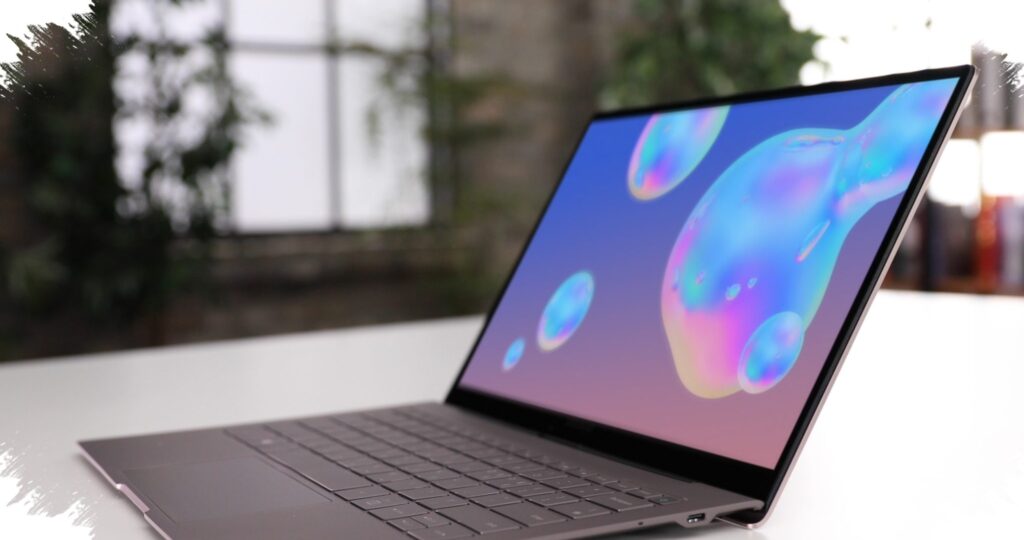
Samsung is reportedly preparing a rare move for a major laptop maker: bringing Android into the laptop category. If the plan moves forward, a Galaxy Book built on Android would stand out as one of Samsung’s boldest attempts yet to challenge the long-established dominance of Windows and macOS laptops.
The most interesting part is not only the operating system itself, but the direction Samsung appears to be taking. The company seems to want to extend its mobile ecosystem into a larger screen, so the laptop feels less like a standalone device and more like part of a connected Galaxy experience.
Android 17 and One UI 9 for a larger screen
The new Galaxy Book is said to run on Android 17 alongside One UI 9. Samsung is also reported to be developing a dedicated interface designed to make large-screen use more comfortable for work and app switching.
It is still unclear whether Android 17 will be used in full smartphone-style form or arrive as a version tailored for laptops. The second approach appears more practical, especially because Samsung has a history of aggressively adapting One UI across different device categories.
A direction shaped by Google’s earlier experiments
This move did not appear out of nowhere. Google had previously experimented with combining ChromeOS and Android through a project called Aluminum OS, with the goal of creating a more flexible and integrated system.
Samsung seems to see an opportunity in that direction. With a strong Galaxy ecosystem already spanning smartphones, tablets, and wearables, an Android-based laptop could tighten cross-device connectivity and make the overall user experience feel more unified.
Desktop-like One UI with a DeX feel
Reports say the One UI 9 interface prepared for this laptop line carries a desktop-like feel similar to Samsung DeX. That feature is already known for turning a smartphone into a desktop-style environment when connected to a larger display.
On an Android-powered Galaxy Book, the concept is expected to go further. Users could get a desktop experience built on Android while still keeping the flexibility of the mobile app ecosystem.
Multiple versions, not a single model
Samsung is also said to be planning more than one model. The Android-based Galaxy Book lineup is expected to include several variants, ranging from entry-level devices to high-end flagship models.
That kind of lineup suggests Samsung is treating the category seriously rather than treating it as a one-off experiment. The devices are also described as very slim, following the modern laptop trend that prioritizes portability.
Galaxy AI as a major selling point
Another likely advantage is Galaxy AI. Samsung has made it a major focus across many of its products, positioning it as a key differentiator in the crowded smart-device market.
With AI support, the laptop could offer smarter productivity tools, document handling, and automation features that make everyday tasks easier. In an increasingly competitive laptop market, that kind of integration may become one of Samsung’s strongest draws.
Launch timing still uncertain
There is still no official information about when the device will arrive. Some reports say the Android-based Galaxy Book could be introduced before the end of the year.
If that schedule proves accurate, more details are likely to emerge in the coming weeks or months. For the laptop market, the device will serve as an important test of whether Android can truly compete in a space long ruled by traditional PC operating systems.
Source: www.gadgetdiva.id