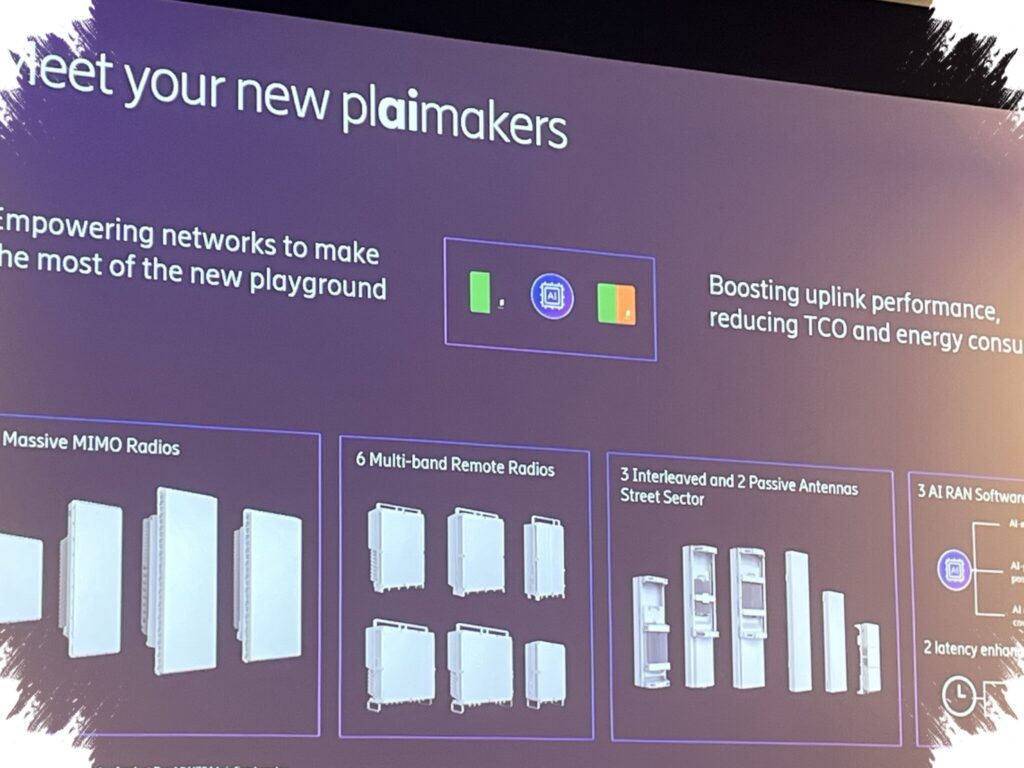
Operator demand for faster, more automated networks is reshaping the 5G market, and Ericsson is emerging as one of the clearest beneficiaries of that shift. Frost & Sullivan’s Frost Radar™: 5G Network Infrastructure, 2026 places the company at the top of the global ranking, highlighting how closely network leadership is now tied to AI readiness, operational efficiency, and commercial execution.
The result matters not only because Ericsson ranked first, but because it extended a leadership streak that has now lasted six consecutive years. Frost & Sullivan evaluated 20 leading companies from more than 100 telecom players worldwide, and the assessment shows that the next phase of competition is moving beyond scale alone.
A market moving toward AI-native networks
The center of gravity in 5G infrastructure is shifting toward automation and AI-native network readiness. In that environment, operators are looking for platforms that can support more adaptive operations rather than networks built only for traditional connectivity.
Ericsson was recognized for strength across both the Growth Index and the Innovation Index. That combination signals that the company is not only advancing new ideas, but also turning them into market-ready capabilities at commercial scale.
The company’s portfolio covers radio access network, transport network, core network, and private network solutions. Frost & Sullivan also noted Ericsson’s progress in open RAN and virtual RAN, two areas that give operators greater flexibility in how they build and run their networks.
Research spending feeding commercial solutions
One of Ericsson’s key advantages is its ability to translate research investment into deployable products and platforms. Frost & Sullivan described that capability as a major differentiator in a market where efficiency and execution speed increasingly matter.
In 2025, Ericsson allocated nearly 21 percent of total revenue to research and development. That investment was directed toward network APIs, AI-RAN, and cloud-native modernization of 5G Core.
The spending pattern shows a strategy that extends beyond strengthening conventional network layers. It points to a broader effort to build a more open network foundation that can support AI-driven functions at scale.
Per Narvinger said artificial intelligence is now integrated across Ericsson’s entire network portfolio. According to him, that includes network management as well as OSS/BSS systems, with the aim of delivering networks that are more automated and open.
Energy efficiency becomes part of the competition
Ericsson’s positioning is also supported by its energy-efficiency efforts, which have become increasingly relevant as operators manage both capacity growth and operating costs. The company reported a 40 percent reduction in power consumption at new radio base station sites in 2025 compared with 2021 data.
Ericsson has raised that reduction target to 50 percent by 2027. The company said the effort is supported by more energy-efficient hardware and AI-based software features that optimize energy use.
That focus fits a broader industry reality in which network expansion can no longer be separated from energy discipline. For operators, efficiency is no longer just a technical bonus; it is becoming a core requirement.
What the ranking signals for Indonesia
For Indonesia, Ericsson frames 5G as a critical layer of digital competitiveness. Nora Wahby, President Director of Ericsson Indonesia, said stronger 5G ecosystems are needed to accelerate digital transformation and support the country’s long-term economic ambitions.
She also said progress depends on supportive policy, adequate spectrum availability, and strong cross-sector collaboration. Ericsson wants to position itself as a long-term partner in support of Indonesia Emas 2045.
That outlook aligns with the company’s wider effort to deepen collaboration with local operators so the networks being built can better adapt to industrial needs. In practice, Ericsson’s standing at the top of Frost Radar offers a clear picture of where the market is heading: toward AI, automation, and tighter control over operational efficiency.