Samsung Display is pushing stretchable Micro LED panels closer to practical use by combining a physical display that can change shape with a major jump in sharpness. The latest prototype shown at SID Display Week in Los Angeles stands out not just because it bends, but because it now looks much closer to a panel that could support real-world products.
The company said the new panel reaches 200 ppi, up from 120 ppi in last year’s model. That 67 percent increase matters because stretchable displays have often had to trade visual quality for flexibility.
A display built for changing surfaces
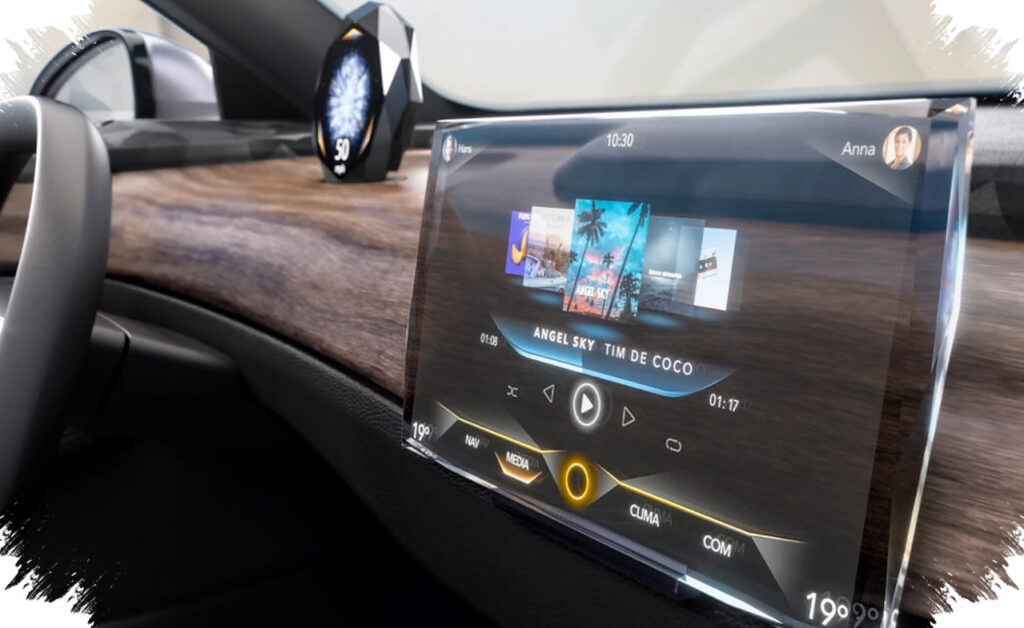
Samsung showed the panel in a vehicle dashboard and instrument cluster concept. In the demonstration, the screen could alter its form to match driving conditions while keeping text crisp and visuals clear.
That approach points to a broader shift in how displays may be used inside vehicles. Instead of staying as a flat surface, the panel is designed to adapt to the context around it, especially where fast and easy readability matters.
The instrument cluster is a logical use case. Drivers need information that remains legible in different conditions, and a screen that can change shape without losing clarity could offer a meaningful advantage.
Why the sharper panel matters
The move from 120 ppi to 200 ppi is one of the most important changes in this version of the display. In stretchable panel technology, higher density is difficult to achieve because the screen must remain elastic while still packing in more visual detail.
Samsung Display said the improvement comes from a new pixel structure. The company also explained that this structure allows more pixels to be integrated into the bridge area, which helps raise resolution.
That technical change is important because flexibility alone is not enough for practical use. A stretchable display also has to deliver the level of sharpness needed for everyday viewing, especially in a car where key information must remain easy to read.
Why automobiles are the clearest target
Samsung Display has described the technology as well suited to Software Defined Vehicle environments. In that model, the vehicle interface can adapt dynamically based on driving needs and changing conditions.
The dashboard concept shown at the event supports that direction. A panel that can physically shift shape while preserving clarity could fit the demands of digital cockpits and next-generation instrument clusters.
This is also why the demonstration drew attention at SID Display Week. The event is often used by the display industry to show where future products may be headed, and Samsung’s latest panel looked more mature than a simple concept showcase.
Micro LED was used to support the visual quality of the concept. In the demonstration, Samsung aimed to keep text sharp and the image clean even when the panel was no longer in a standard flat form.
That combination of shape-shifting behavior and improved sharpness gives the panel a clearer purpose than earlier stretchable display demos. It suggests that Samsung Display is not only refining the idea of an adaptive screen, but also working on the visual quality needed for actual deployment.