The race to define smart glasses is no longer confined to prototypes and demos. The category is now being treated as the next major consumer platform, with the industry describing it as reaching an “iPhone moment” as adoption begins to move beyond early enthusiasts.
That shift matters because the market is expected to expand quickly, from about 6 million units in 2025 to 20 million in 2026. The jump suggests smart glasses are starting to enter everyday digital behavior, and the companies moving fastest are trying to shape the ecosystem before the market settles.
Meta and Google are pushing in different ways
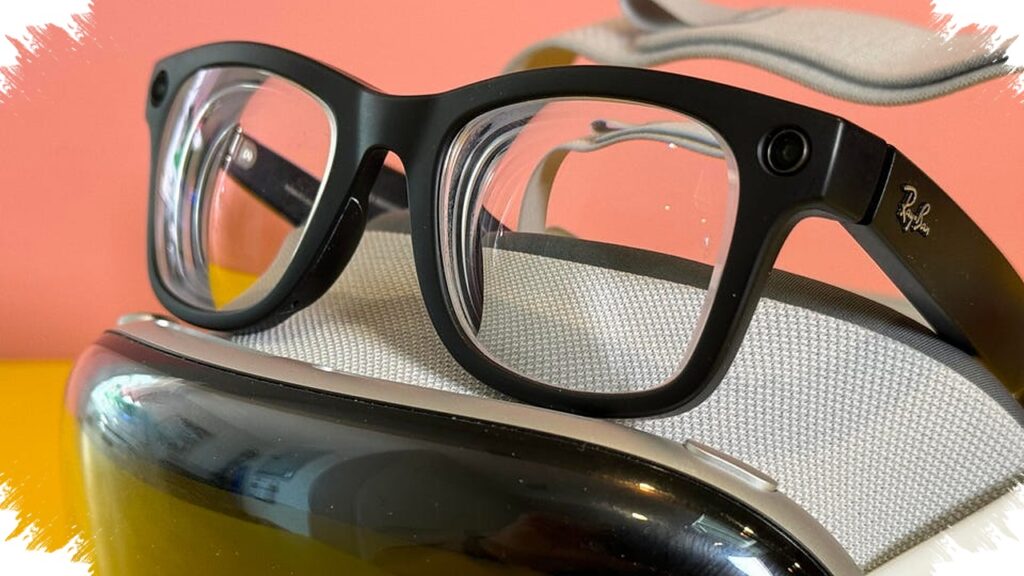
Meta has taken an aggressive route by building around Ray-Ban Meta as an early market anchor. Sales of the product reportedly tripled in 2025, signaling that demand is spreading beyond the first wave of tech-focused buyers.
The company is paying for that push with heavy investment. Reality Labs posted a loss of USD 4.03 billion in the first quarter of 2026, even as Meta raised capital spending to the USD 125–145 billion range.
That combination shows a clear strategy. Meta appears willing to absorb large costs now if it helps accelerate adoption and secure a stronger position in a category that could define the next wave of personal computing.
Google is taking a broader ecosystem approach through Alphabet and Android XR. The platform is scheduled to launch in 2026, and the company is backing it with partnerships designed to widen reach.
Partnerships may matter as much as hardware
Google’s work with Warby Parker, Gentle Monster, and Samsung gives it a different kind of advantage. Those relationships could help bring smart glasses to mass-market consumers, especially people who wear prescription glasses.
That audience is substantial, covering around 69 percent of the global population. With that base, Google is not only building a device strategy but also creating a distribution and partnership network that could speed up consumer acceptance.
The timing places both companies ahead in a market that is still forming its rules. In this stage, speed matters not just in product design but also in software, retail access, and the ability to create a connected platform around the glasses themselves.
Apple remains strong, but not yet in the lead
Apple still has a powerful business, and its core performance remains solid. The company reported fiscal second-quarter 2026 revenue of USD 111.184 billion, or around Rp 1.930 trillion, up 16.6 percent year over year, with earnings per share of USD 2.01.
Tim Cook said demand for the iPhone 17 line remains strong. Even so, the company did not use that update to emphasize any near-term push into smart glasses.
Markets seem to be reading that gap carefully. AAPL traded at USD 287.44, up 47.1 percent over one year, with a price-to-earnings ratio of about 35 times.
Yet expectations in the options market still suggest hesitation about Apple’s pace in this area. The probability that a second-generation Vision Pro launches before 2027 is only 6 percent, which points to limited confidence in a quick move into the new category.
AI chips are becoming part of the same race
Behind the scenes, the smart glasses story also reaches into the AI supply chain. Broadcom has emerged as an important player in chips that support the next generation of devices.
The company reported 29.5 percent year-over-year revenue growth. CEO Hock Tan said Broadcom delivered a record first quarter, supported by continued strength in AI semiconductor solutions.
That matters because the competition is no longer only about which brand can sell the most glasses. The winning position will likely go to the company that can combine hardware, software, distribution, and AI components more effectively than rivals.
Meta and Google are already moving quickly on that front. Apple still has the scale and financial strength to remain a major force, but it has not yet shown the same early momentum in smart glasses.