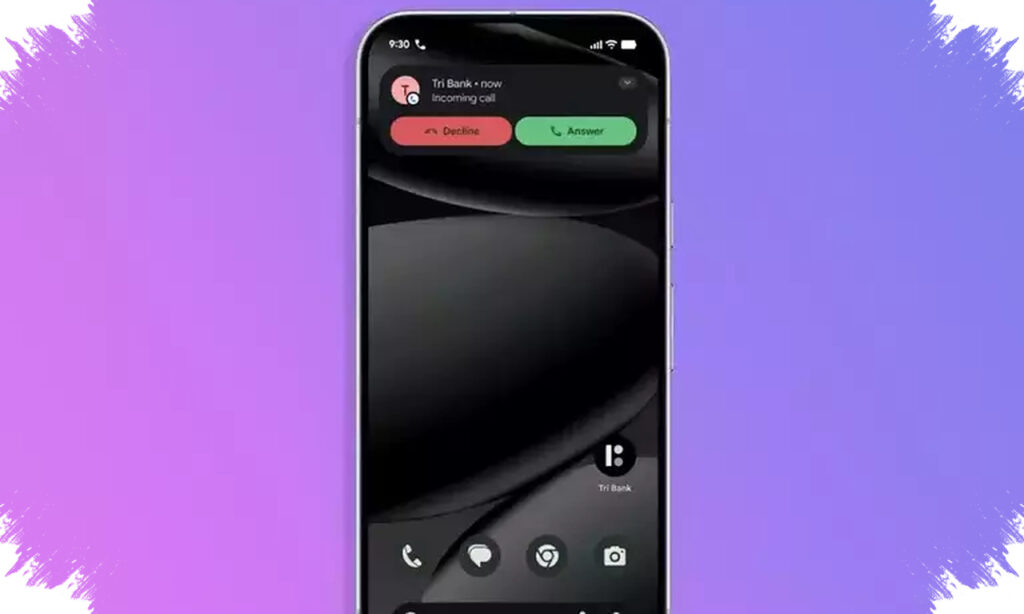
Android is tightening its anti-scam defenses with a feature that can cut off suspicious bank impersonation calls before they reach a victim’s ear. The move targets one of the most effective fraud tactics in circulation: phone spoofing that makes a fake caller ID look like a real bank number.
Google’s new approach is built around verified financial calls, a system that checks in real time whether an incoming call truly comes from a supported financial institution. When a banking app is installed on the device and the user is already logged in, Android can compare the incoming call against the bank’s confirmation.
If the app indicates that the call is not legitimate, the phone will end the connection automatically. That design is meant to stop users from trusting a number simply because it appears official on screen.
Designed to block spoofed bank calls early
The main target is caller ID manipulation, a technique scammers use to imitate the number of a bank or other financial institution. This kind of deception has helped fraudsters push victims into sharing sensitive information, including OTP codes.
Google has linked this fraud category to losses of around US$ 950 million per year globally. By placing verification at the point of call arrival, Android is trying to intervene before the conversation even begins.
The feature is meant to work with little user involvement. Google says it will roll out in the coming weeks on Android 11 and later devices.
Bank support starts with a limited rollout
At launch, the verified financial calls system will support Revolut, Itaú, and Nubank. Google also says more banks will be added later this year.
That staged rollout reflects the way the system depends on direct confirmation from the banking app itself. The more institutions that participate, the broader the protection becomes for users who rely on mobile banking.
The timing matters because many victims fall for calls that sound credible and show a familiar number on the display. Android’s goal is to remove that trust signal when the call does not actually come from the bank.
AI and behavior monitoring add more layers
Google is also extending live threat detection on Android. This AI-driven feature can identify suspicious apps, including ones that quietly forward SMS messages.
It can also flag apps that abuse accessibility permissions to hide content on the screen. That behavior is often used by malware to conceal activity from the user and make malicious actions harder to notice.
Another layer called dynamic signal monitoring is also being prepared. It watches app behavior in real time and can spot apps that change or hide their icons before running in the background.
Google says that monitoring feature will arrive in Android 17 on select devices in the second half of 2026. The company is using that rollout to push Android security further toward behavior-based detection rather than relying only on known threat lists.
Taken together, these measures show a clear shift in Android’s security strategy. Instead of waiting for fraud to succeed, the platform is moving to identify suspicious calls and apps earlier, then block or expose them with less user action.