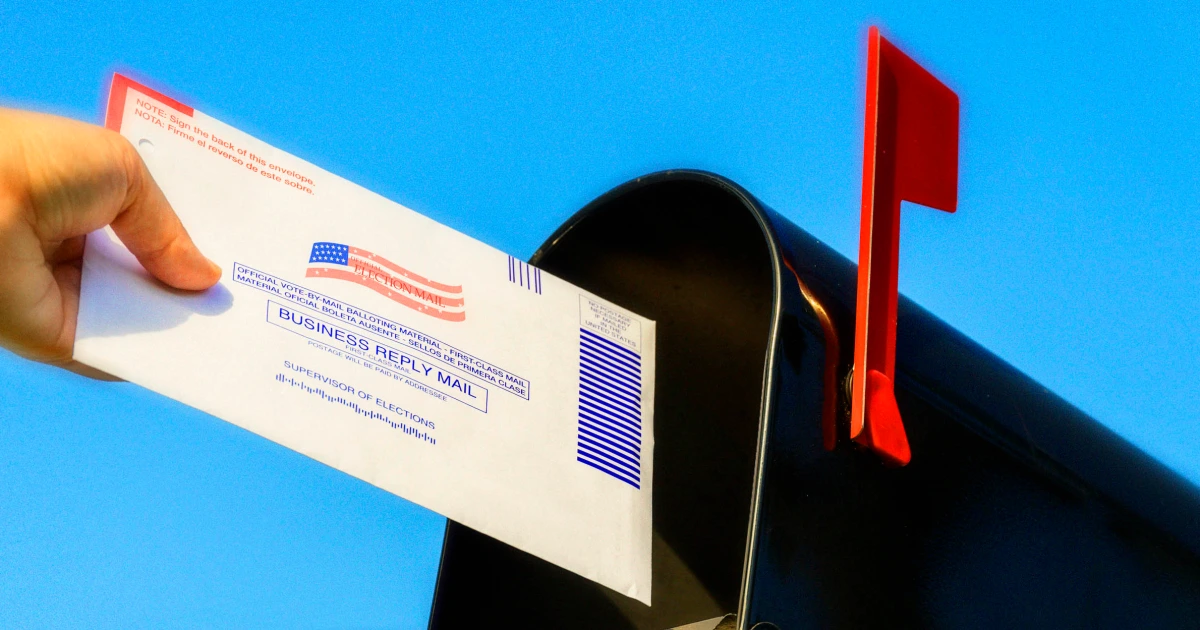
Election officials are preparing for a Supreme Court decision that could change how late-arriving mail ballots are handled in 14 states. The issue matters because an NBC News Decision Desk analysis found those laws helped hundreds of thousands of ballots get counted in the 2024 election.
The ruling could force election offices to rethink deadlines, processing timelines, and voter guidance if the court strikes down the current rules. Officials in affected states are watching closely because any change could affect how ballots are accepted after Election Day and how quickly local systems can adjust.
Why the case matters to election administrators
Mail-in ballot deadlines may sound like a narrow legal question, but the impact can be broad. If late-arriving ballots are no longer counted under existing state laws, election officials would need to revise procedures that have been used to manage large volumes of mailed votes.
That kind of change can affect everything from notice to voters to how counties certify results. It can also create confusion if state rules and federal court guidance no longer match the way elections have been run in recent cycles.
14 states could face new rules
The laws at issue are in 14 states, and they now sit under uncertainty as officials wait for the court’s decision. These rules have allowed ballots that arrived after Election Day to still be counted, as long as they met other legal requirements.
The NBC News Decision Desk analysis showed that the laws played a significant role in 2024. Hundreds of thousands of ballots were counted because of those late-arrival provisions, making the stakes far higher than a routine legal dispute.
Officials are focused on timing and logistics
Election workers often need clear rules well before ballots are mailed and voters start returning them. A Supreme Court ruling this month could leave little time for states to update instructions, training materials, and ballot-processing procedures.
That pressure is especially high because mail voting depends on deadlines that voters can understand and election offices can enforce consistently. If the court changes the legal landscape, officials may need to act quickly to avoid mismatched guidance and uneven county-level practices.
What voters are likely to watch
Voters who rely on mail ballots are likely to pay attention to whether ballots must arrive by Election Day or can still count if they come in later. The answer could affect how safely people mail their ballots and how much margin they leave for postal delays.
For election officials, the concern is not only legal compliance but also public clarity. Any change in the rules would need to be communicated clearly so voters know exactly when their ballots must arrive to be counted under the new standard.
The broader election administration challenge
The debate over late-arriving ballots sits at the intersection of law, logistics, and voter access. Officials now face the possibility that a rule used in recent elections could be narrowed or eliminated, forcing states to adapt quickly if the Supreme Court rules against the current deadlines.
With the decision expected this month, election offices in the 14 affected states are bracing for a shift that could reshape how mail ballots are managed and counted in future elections.
Read more at: www.nbcnews.com-
-

-

-