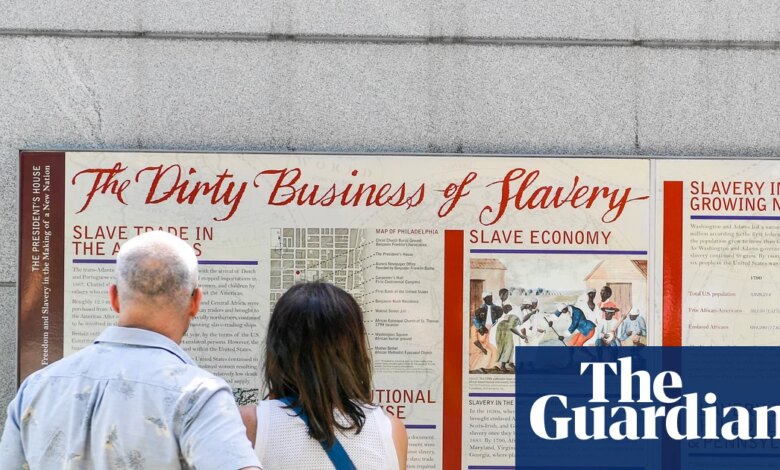
A federal judge has ordered the Trump administration to restore history and science materials removed from public monuments and national parks, saying the policy “set a dangerous precedent of censorship and sanitization.” The ruling targets a wave of sign and exhibit removals that touched on slavery, civil rights, Indigenous history and climate change.
U.S. District Judge Angel Kelley sided with conservation and history groups that argued the administration’s actions stripped parks of context and narrowed the stories they are meant to tell. In her decision, Kelley wrote that the White House was seeking “a limited history” by ordering the removal of signs, displays and interpretive exhibits that did not fit its preferred narrative.
What Triggered The Lawsuit
The dispute began after Donald Trump signed an executive order in March 2025 titled “restoring truth and sanity to American history.” It directed the secretary of interior to review monuments, memorials and statues for changes made after January 2020 that the administration said reflected a “false construction of American history.”
That order came against the backdrop of the 2020 protests for racial justice and the removal of statues commemorating Confederate leaders. The Trump administration also pushed to remove what it called “corrosive” or “ideological indoctrination” from exhibitions at cultural and historical institutions.
The result, according to a February lawsuit filed by conservation organizations, was the deinstallation of material referencing slavery, civil rights, Indigenous history and climate change at several sites. One Georgia monument drew attention after The Scourged Back, a photograph of an enslaved man with scars on his back, was flagged for possible removal.
Who Challenged The Policy
The National Parks Conservation Association, the Association of National Park Rangers and the American Association for State and Local History were among the plaintiffs. Another plaintiff, the Coalition to Protect America’s National Parks, said the ruling helps ensure parks continue to preserve and interpret the full American story.
Alan Spears, senior director for cultural resources at the NPCA, said Americans depend on national parks to understand the country’s “full, rich history.” Emily Thompson, executive director of the coalition, said parks “exist to preserve and interpret the full American story, not just the parts that make some politicians comfortable.”
What The Court Said
Kelley said the administration’s approach risked telling “half-truths” by removing materials that did not align with its preferred narrative. The court gave the Trump administration 21 days to comply with the order.
A White House spokesperson did not immediately respond to a request for comment. The ruling adds a new legal setback to an effort that critics say tried to reshape how public history is presented at some of the country’s most visible sites.