A tanker was reportedly hit by an unknown projectile near the Strait of Hormuz, adding fresh tension to one of the world’s most sensitive shipping lanes. The report came as US President Donald Trump was leaving for a high-stakes NATO summit in Ankara, where leaders are expected to discuss security in the waterway.
What UKMTO Said
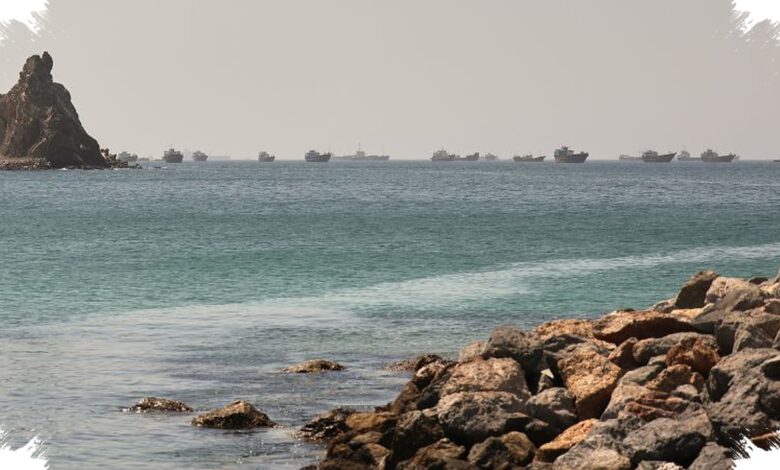
The UK Maritime Trade Operations said the vessel was about eight nautical miles east of Limah, Oman, when it was struck on its port side and caught fire. No casualties or environmental impact were reported, and CNN said it had reached out to US Central Command for comment.
| Detail | Reported Information |
|---|---|
| Location | Eight nautical miles east of Limah, Oman |
| Impact | Struck on the port side, fire ignited |
| Casualties | None reported |
| Environmental impact | None reported |
Reports about who was responsible differed. The Wall Street Journal, citing an unnamed US official, said Iran’s Islamic Revolutionary Guard Corps fired at two commercial ships near the strait, while Axios reported, also citing unnamed US officials, that Iran had fired missiles at commercial ships transiting through the waterway.
Iran’s semi-official Fars News Agency said, citing unnamed sources, that a Qatari oil tanker was attacked while trying to pass through the Strait of Hormuz after ignoring repeated warnings. Fars added that no official authority had confirmed or denied the reports.
Why The Strait Matters
The route remains central to global shipping, with authorities in Iran having repeatedly used it as a bargaining chip. Before the war, around a fifth of the world’s crude flowed through the Strait of Hormuz, and MarineTraffic said 108 boats crossed the strait from Friday through Sunday.
Traffic had stayed steady in recent days but was not increasing, according to a UKMTO post on Sunday. The agency warned that risks remained for vessels crossing the crucial waterway, even as it said the threat was still lower than during the pre-MOU period.
The UKMTO also said Iranian intent and capability to carry out intentional hostile action remained, and that the environment still warranted heightened vigilance. Since the memorandum of understanding was signed, more ships have transited the strait, many following a route close to Oman.
Rising Tension With Tehran
Tehran has paused fragile negotiations with the US during the multi-day funeral for its slain former supreme leader Ayatollah Ali Khamenei, who was killed in a US-Israeli strike in February, on the first day of the war. On Monday, Trump told reporters that the US would either reach a deal with Iran or “finish the job,” according to Reuters.
In a post on X Tuesday, Iranian Foreign Minister Abbas Araghchi said negotiations on a final deal “will not commence if threats continue.” He pointed to paragraph 13 of the US-Iran memorandum of understanding, which requires several conditions before final talks can begin, including an end to all fighting and safe passage for commercial vessels through the strait.
Iranian media and a Telegram channel affiliated with the IRGC said on Sunday that the navy had deployed patrol boats to block the “Omani route.” In its Monday report, Fars said its sources claimed the tanker had been trying to transit via that route.
The timing of the incident, the competing claims about responsibility, and the renewed focus on the strait underscore how quickly the shipping dispute can overlap with broader US-Iran tensions. For commercial vessels, the latest report adds another warning that the waterway remains exposed to sudden escalation.