Student loan defaults have climbed by more than 4.2 million borrowers in less than a year, exposing the financial strain that followed the end of pandemic-era payment relief. Around 9.5 million borrowers are now in default, a level that exceeds the previous record set in December 2019.
The rise came after federal payments resumed and a one-year grace period ended in fall 2024. Borrowers who miss payments for nine months can enter default, damaging their credit and potentially sending their debt to collections.
Millions Are Near or Already in Default
An analysis published by apnews.com found that defaults increased from April 2025 to March 2026, including many borrowers who first fell behind after payments came due again in 2024. Hundreds of thousands more borrowers are approaching the nine-month threshold.
| Borrower Group | Reported Figure | What It Shows |
|---|---|---|
| Borrowers in default | About 9.5 million | More than 1 in 5 borrowers |
| Borrowers nearing default | 870,000 | Loans 181 to 270 days late |
| For-profit school borrowers | 33% | At least 90 days late on payments |
| Previous default record | 8 million | Recorded in December 2019 |
Borrowers at for-profit schools were more than twice as likely as those at public schools to be at least 90 days behind, according to federal data. Career Education Colleges and Universities said it formed a task force to contact students about the importance of repayment.
Repayment Changes Add to Confusion
Many borrowers are also navigating changes to income-driven repayment plans as the Education Department moves to dismantle SAVE, its most affordable option. The department has said the changes are intended to simplify a fragmented student loan system.
For some borrowers, the new payment amounts have been difficult to absorb. Shannon Khan, a mental health worker in Webster, Texas, said she was moved from SAVE to another income-driven plan with an $847 monthly payment, then learned it could rise to $1,683 for nearly a decade.
“It’s just a bunch of chaos and confusion,” Khan said after spending hours trying to get answers from her loan servicer. Other borrowers have stopped paying while they attempt to understand their options.
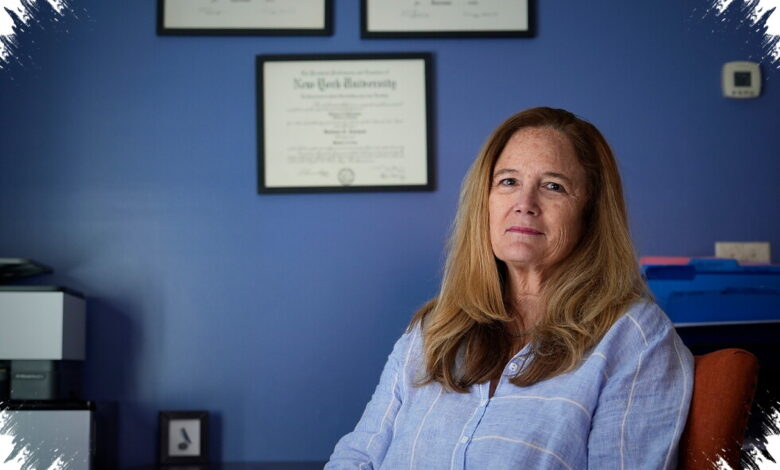
Barbara Howaniec, a psychiatric nurse practitioner in Auburn, Maine, borrowed about $62,000 for a master’s degree from New York University and graduated in 2001. After roughly two decades of payments and periods of deferment, she said she still owed about $67,000 because interest continued to accumulate.
Howaniec had expected forgiveness after 25 years under an income-based repayment plan, but she received a notice stating that she owed 355 more payments. She stopped making payments last year while also paying for her children’s college education.
Default Can Reshape a Borrower’s Future
Ashley Dreahn, 40, believed her student loans had been cleared after she filed for bankruptcy in 2022. A credit report showed messages saying the loans had been paid off, but she later learned the loans had grown to $94,298 with interest and were in default.
Student loans are rarely discharged in bankruptcy because borrowers generally must show that the debt creates an “undue hardship.” Dreahn said she did not understand that standard when she filed and had believed bankruptcy would let her start over.
Now working as a prison supervisor in Huntsville, Texas, Dreahn is trying to determine how to keep up with loan payments while covering everyday expenses. She hopes her government job could eventually help her qualify for Public Service Loan Forgiveness, which requires 10 years of payments while working for a government agency or nonprofit.
The federal government can garnish wages and Social Security payments from borrowers in default, although the Trump administration in January backed away from plans to begin collections. Moody’s Analytics said this spring that garnishments were likely to begin within the next year, warning that they could create another burden for an increasingly fragile economy.