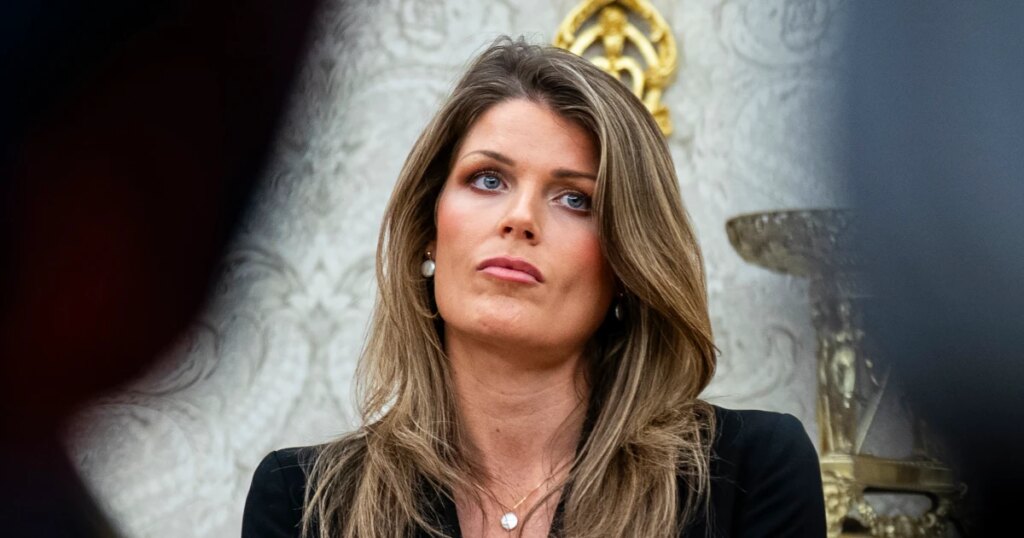
A federal judge dismissed the criminal cases against former FBI Director James Comey and New York Attorney General Letitia James after ruling that the prosecutor who filed the charges was unlawfully appointed. U.S. District Judge Cameron Currie found that Lindsey Halligan, a former Trump attorney who led the prosecutions, lacked proper authority to act as an interim U.S. attorney.
Judge Currie stated, “Because Ms. Halligan had no lawful authority to present the indictment, I will grant Mr. Comey’s motion and dismiss the indictment.” The ruling emphasized that all actions taken by Halligan, including securing and signing the indictments, were unlawful and invalid. Halligan was described as “a former White House aide with no prior prosecutorial experience.”
Both cases were dismissed without prejudice, which means prosecutors can refile the charges in the future. However, attorneys for Comey and James argue that the indictments resulted from selective and vindictive prosecution and have pending motions seeking dismissal with prejudice to prevent revival of the cases.
The appointment issue arose because Halligan was named by former President Trump as interim U.S. attorney for the Eastern District of Virginia following the forced departure of the previous U.S. attorney, Erik Siebert. Federal law restricts interim appointments to 120 days unless there is Senate confirmation. Siebert’s replacement should have been appointed by federal judges in the district, but Halligan’s appointment bypassed this process.
Halligan uniquely presented both indictments alone, even though other prosecutors in her office advised against charges due to insufficient evidence. The Justice Department contended Halligan’s appointment was valid since Siebert’s post was vacant. However, Judge Currie disagreed, calling the appointment defective and rejecting the prosecution’s defense that it was merely a “paperwork error.”
This unprecedented ruling could have wider implications for cases handled under similar interim appointments. Other prosecutions led by interim U.S. attorneys with disputed appointments are currently in legal limbo and subject to ongoing appeals. The judge’s decision highlights the constitutional requirement for lawful appointment procedures in federal prosecutions.
Read more at: www.nbcnews.com