


Trump’s Pardon of Former Honduran President Sparks Criticism Over US Drug Policy
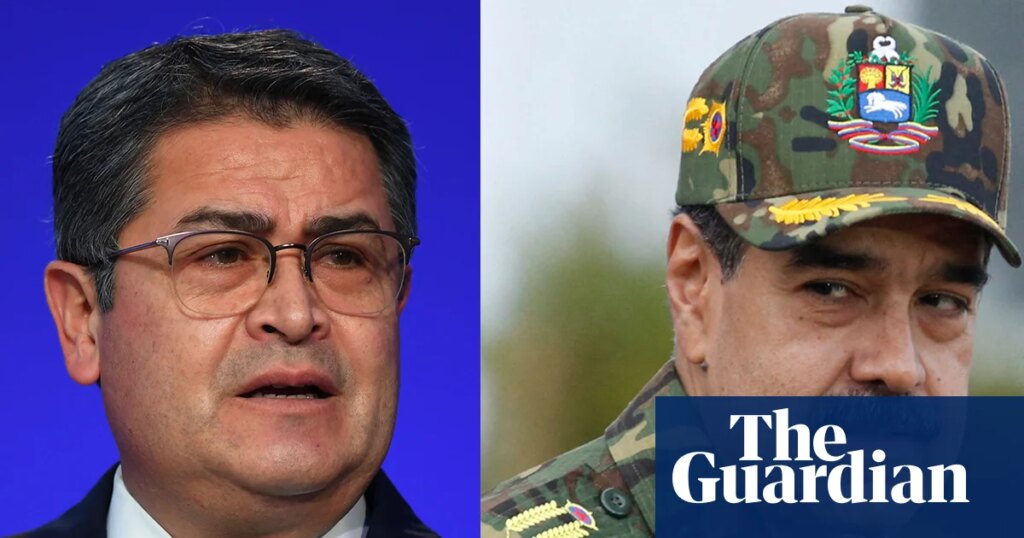
Former Honduran president Juan Orlando Hernández (JOH) was convicted in a Manhattan federal court for trafficking cocaine to the United States. He was sentenced to 45 years in prison last July. Despite this, former US president Donald Trump announced in late April that he intends to pardon Hernández, a move that has stunned analysts and law enforcement officials.
Trump claimed Hernández was unfairly targeted because he was a sitting president, calling the situation a “terrible thing” and suggesting a political setup by the Biden administration. This pardon conflicts sharply with Trump’s aggressive “war on drugs” stance, which included large military efforts against Venezuela’s Nicolás Maduro, labeled a “narco-terrorist” by the Trump administration. Critics view this inconsistency as hypocritical and politically motivated.
Mike Vigil, former DEA chief for international operations, described Trump’s pardon of Hernández as “lunacy.” Vigil emphasized that Hernández was a major player in the narco world, who transformed Honduras into both a transit point and producer of cocaine. He contrasted Hernández’s high-profile involvement with other traffickers like El Chapo Guzmán, noting that Hernández’s presidential status makes the pardon unprecedented and troubling.
Experts question the legitimacy of the Trump administration’s counter-narcotics strategy. Ioan Grillo, an author specializing in Latin American drug issues, called the pardon “jaw-dropping” and undermining the administration’s drug war credibility. Orlando Pérez from the University of North Texas at Dallas pointed out the double standards: Hernández, an ally of the US, is pardoned, while Maduro, a political adversary, faces accusations with disputed evidence. Pérez concluded the policy appears driven more by ideology than effective drug enforcement.
Data from US prosecutors showed Hernández accepted millions in bribes and facilitated vast cocaine shipments. His brother received a life sentence for associating with traffickers, including El Chapo’s cartel. Meanwhile, Trump’s increased strikes against alleged drug boats in the Caribbean have not measurably reduced drug flows.
This pardon raises critical questions about US foreign policy consistency in Latin America and its commitment to combating drug trafficking. It highlights how politics and ideology may drive decisions that contradict stated anti-narcotics goals.
Read more at: www.theguardian.com