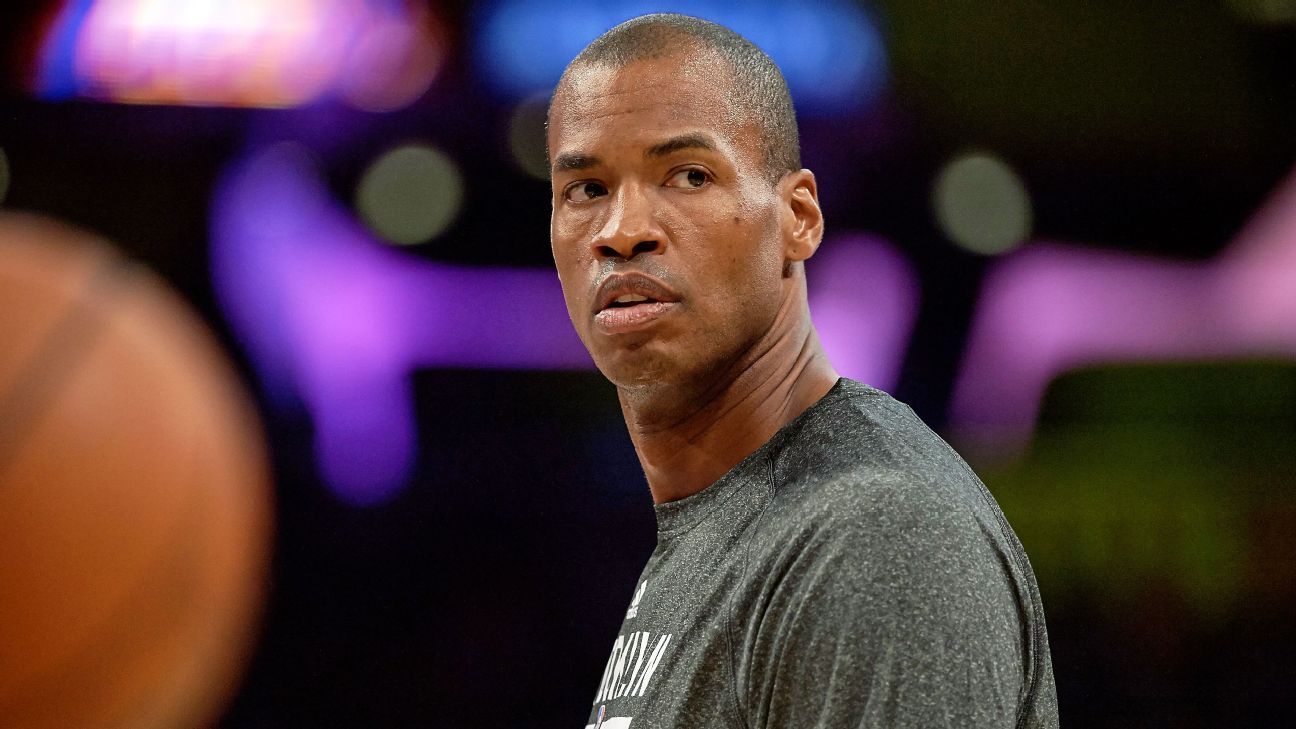
Jason Collins Announces Diagnosis of Stage 4 Glioblastoma
Jason Collins, former NBA player known as the first openly gay active player in league history, revealed that he has been diagnosed with Stage 4 glioblastoma, a highly aggressive brain cancer. This diagnosis came shortly after he married his partner, Brunson Green, in Austin, Texas, marking a profound personal and health challenge.
Collins described the rapid onset of symptoms that led to his diagnosis. Initially experiencing difficulty focusing and packing for a trip, he underwent an urgent CT scan at UCLA. The scan quickly revealed a tumor with a butterfly shape impacting both hemispheres of his brain, particularly the frontal lobe, which is critical for personality and cognitive function. A biopsy confirmed the presence of multiforme glioblastoma with a growth factor indicating rapid progression.


Glioblastoma: A Deadly Brain Cancer
Glioblastoma is known for its aggressive growth within the confined space of the skull, making it difficult to treat. Collins’ tumor is characterized by multiple mutations, making it more resilient and harder to combat using standard therapies. The tumor’s “wild type” genetic profile renders the usual chemotherapy drug temozolomide ineffective in his case.
His prognosis without intervention is six weeks to three months, but Collins is pursuing advanced treatments. These include Avastin to slow tumor growth, radiation therapy, and innovative targeted chemotherapy via engineered delivery vehicles (EDVs) at a clinic in Singapore. This therapy aims to penetrate the blood-brain barrier and target tumor-specific proteins, offering hope beyond conventional treatment.
A Fighter’s Mindset
Despite his condition, Collins maintains a fighter’s spirit, comparing his challenge to facing formidable opponents he encountered during his NBA career. He draws strength from family support and the determination to pave the way for new therapies. He aims not only to prolong his own life but also to contribute to treatments that may benefit future glioblastoma patients.
Collins has emphasized the importance of openness about his illness, supporting transparency and combatting stigma around cancer. While the situation remains grave, his approach reflects resilience and hope amidst one of the toughest cancer diagnoses.
Read more at: www.espn.com