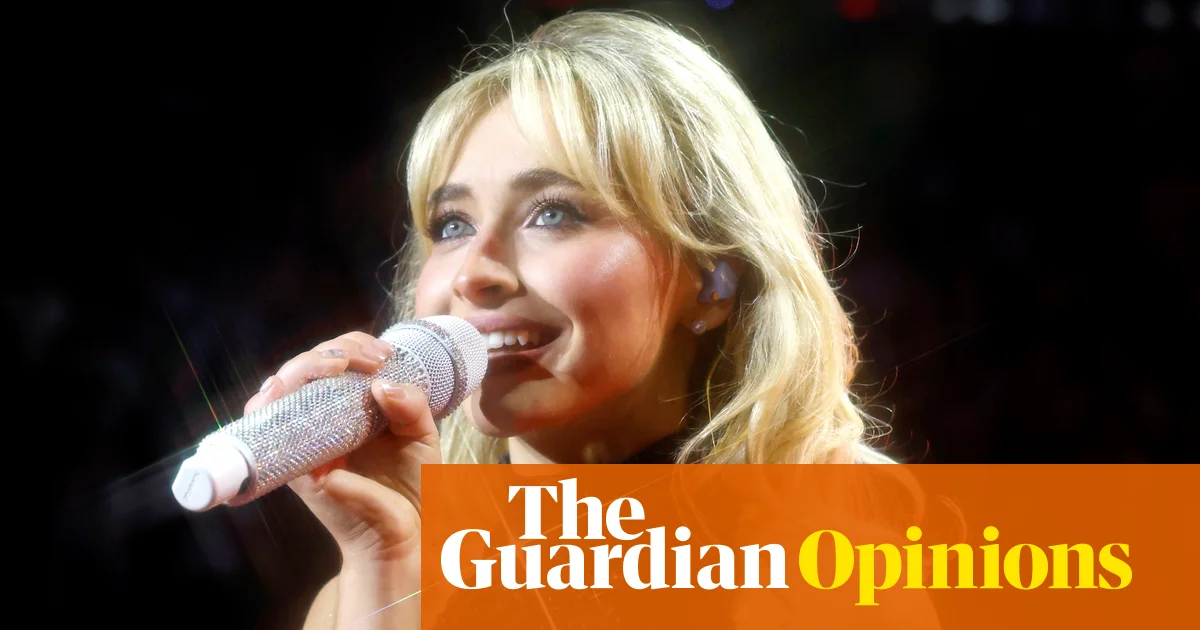
The Trump administration has repeatedly clashed with pop stars over the use of their music in politically charged propaganda. Recently, a Department of Homeland Security employee posted a video on the official X account showing ICE agents arresting undocumented immigrants, set to a viral lyric from Sabrina Carpenter’s song “Juno.” Carpenter publicly condemned the video, calling it “evil and disgusting” and demanded her music not be used to support what she described as an “inhumane agenda.”
This confrontation puts artists in a difficult position. If they stay silent, they risk seeming complicit in the administration’s messaging. If they speak out, they risk amplifying propaganda that uses their work to provoke public backlash. The White House responded harshly to Carpenter’s criticism, justifying ICE’s actions and calling anyone defending undocumented immigrants “stupid or slow,” despite data showing most arrested have never been charged with crimes.
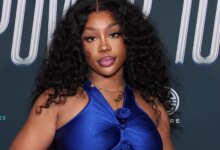
This pattern of co-opting pop music for political ends has accelerated under the Trump administration. Artists like Olivia Rodrigo, Jess Glynne, Kenny Loggins, MGMT, and SZA have all objected to their music being weaponized in divisive campaigns. SZA described this tactic as “rage baiting artists for free promo,” calling it “peak dark” and “evil + boring.” The administration’s strategy prioritizes social media engagement and inflammatory content over respectful dialogue or factual accuracy.

Officials openly admit this approach aims to provoke reactions and dominate media cycles. A White House representative told Variety the administration made a controversial video knowing that outlets would “breathlessly amplify” it, effectively playing the press and public. The approach mirrors the administration’s broader communications style, focused on shock and outrage rather than substantive discussion.
For musicians, responding to this tactic is a no-win scenario. Some, like Zach Bryan, opt to channel dissent through their art instead of engaging directly with propaganda. Others continue to publicly denounce misuse of their work despite the risk of fueling further attention. Critics argue that recognizing the administration’s use of artists as pawns in a trolling game might help reduce the impact of these controversies.
The Trump administration’s ongoing battles with pop culture figures reveal a larger strategy of using celebrity music to shape public opinion through provocative, polarizing methods. As one White House spokesperson bluntly stated: “The arrests will continue. The memes will continue.” This cycle of outrage and manipulation persists, challenging artists and audiences alike to rethink how they engage with politicized cultural content.
Read more at: www.theguardian.com