


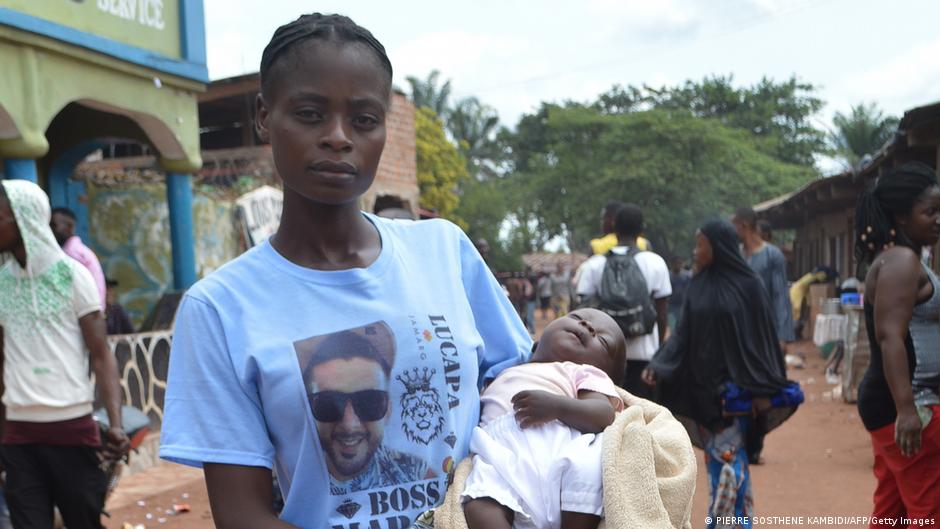
The Angolan government has expelled more than 36,000 illegal immigrants, mostly from the Democratic Republic of Congo, as part of its intensified border enforcement campaign named “Operação Conexão.” The Interior Ministry also reported the detention of 513 Angolan nationals accused of facilitating illegal immigration between October and late November. This operation aims not only to curb illegal migration but also to combat recurrent crimes such as diamond trafficking and fuel smuggling frequently linked to irregular migrants in border areas.
Civil society representatives, however, caution that expelling immigrants is not a comprehensive solution to border challenges. Cândida Massiza, from the civil organization Mulheres de Cabinda, emphasizes that effective border control requires strict enforcement of entry and exit regulations and clear documentation for all foreigners entering Angola. She stated that every foreigner must have proper authorization and a defined length of stay to ensure legal compliance.
An expert analyst, António Gama, highlighted that violations do not come solely from Congolese migrants. He pointed out the presence of other nationalities including Chinese, Vietnamese, Eritreans, and Lebanese who sometimes overstay and become undocumented. These irregular immigrants are reported to move freely within the country without significant legal consequences.
Human rights concerns arise regarding the treatment of expelled migrants. Rafael Lembe, from the Angolan Bar Association, stressed the importance of humanitarian standards during deportations. He called for proper accommodation facilities and humane conditions, criticizing the practice of merely depositing individuals at border points without adequate care.
Additionally, Lembe expressed worries about corruption within state institutions that may facilitate illegal entry or stay of migrants. He advocates for better remuneration and stricter anti-corruption measures for immigration officers to reduce vulnerabilities to bribery. The government’s efforts under “Operação Conexão” reflect a complex challenge involving law enforcement, human rights protection, and transparency to effectively manage Angola’s borders.
Read more at: www.dw.com