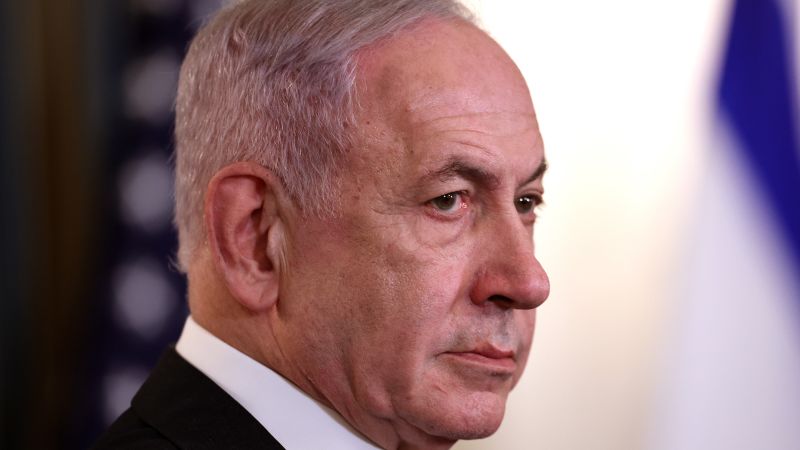
Israeli Prime Minister Benjamin Netanyahu officially announced a $35 billion gas deal with Egypt, marking a historic milestone in Israel’s energy sector. The agreement, described by Netanyahu as “the largest gas deal in Israel’s history,” is valued at approximately 112 billion shekels, according to his televised statement.
The deal involves the American energy company Chevron and includes the supply of natural gas from Israel to Egypt. Netanyahu emphasized that the deal will solidify Israel’s position as a regional energy power and promote stability in the Middle East. He also noted it could encourage further investments in gas exploration within Israel’s economic waters.
Underlining the strategic nature of the agreement, sources reveal Israel delayed its official approval under significant pressure from the Trump administration. U.S. President Donald Trump aims to leverage the deal as part of a broader initiative to foster peace and economic cooperation in the region, including arranging a summit involving Netanyahu and Egyptian President Abdel Fattah el-Sisi.
Netanyahu is expected to travel to the United States later this month for meetings with Trump at Mar-a-Lago. This trip may further revive diplomatic engagements between the two countries, whose leaders have not publicly met in nearly a decade. The announcement is viewed as laying the groundwork for future talks between Netanyahu and Sisi, reinforcing the long-standing peace agreement signed in 1979.
Despite the historical peace treaty, relations between Israel and Egypt have remained cautious, with recent tensions complicating open dialogue. Notably, Netanyahu withdrew from a planned peace summit in Sharm el-Sheikh in October, indicating ongoing complexities. Meanwhile, Egypt continues to play a vital role in mediating conflicts, particularly during the Gaza war.
The Egyptian government has yet to officially comment on the gas deal announcement. CNN has sought clarifications from Egypt’s Ministry of Petroleum and Mineral Resources but has not received a response. This monumental energy agreement could signal a new phase of economic and political collaboration in the region under continuing U.S. diplomatic efforts.