How 4 Teams Dodge the Tax in a Monster Jonathan Kuminga Trade Concept
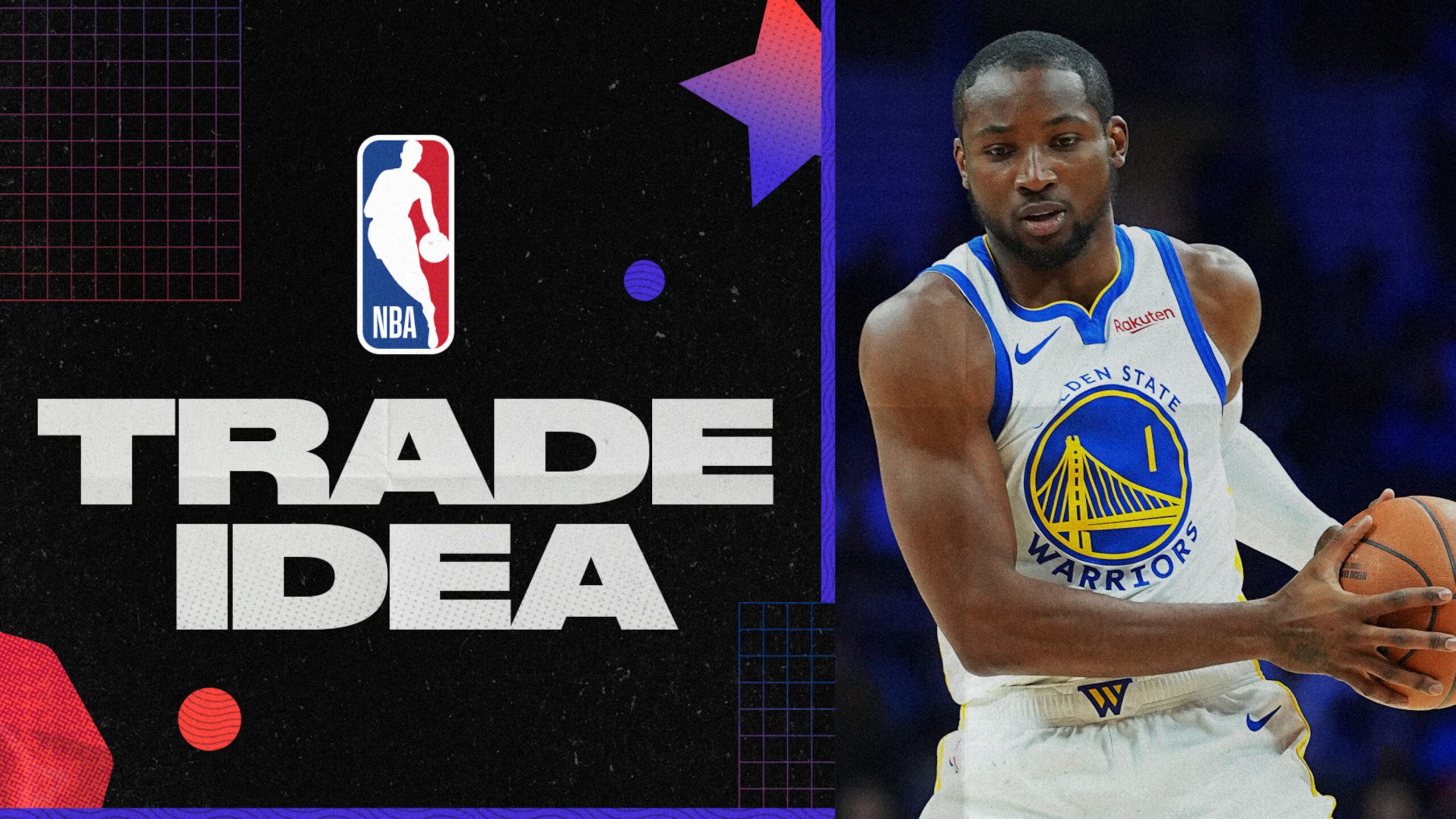
A complex trade scenario involving Jonathan Kuminga shakes up four NBA teams while cleverly avoiding luxury tax penalties. The Golden State Warriors, Utah Jazz, Brooklyn Nets, and Orlando Magic engineer a multi-asset deal using trade exceptions and roster adjustments.
Golden State packages Kuminga along with Buddy Hield, Al Horford, and Trayce Jackson-Davis to acquire Klay Thompson, Jonathan Isaac, and Day’Ron Sharpe. The Warriors remain under the salary apron, enabling them to add Pat Spencer without triggering tax complications. "Golden State acquires Thompson, Isaac, and Sharpe while staying below the second apron," according to the trade breakdown.


Utah Jazz absorb Kuminga via expanded trade exceptions originated from Kyle Anderson and Georges Niang. Utah had Kuminga’s contract amended before the trade, adding a $4.9 million bonus paid by Golden State and increasing his cap hit by $2.5 million. Tyson is absorbed using the PJ Tucker trade exception; low-salary Nigel Hayes-Davis fits in without disrupting cap constraints.
Brooklyn Nets take Cam Thomas, Jalen Pickett, Hunter Tyson, Haywood Highsmith, and $2.5 million from Phoenix. To open roster space, Brooklyn waives Jalen Wilson and Tyrese Martin but remains about $2.3 million under the salary cap post-trade. The Mavericks send Thompson to Golden State and receive Thomas and Pickett, waiving injured Dante Exum to maintain the 14-man roster limit.
Orlando Magic swap Isaac for Buddy Hield, generating a trade exception for salary disparity. They also add Highsmith through Howard’s expanded trade exception. This maneuver helps Orlando clear space and maximize the trade value despite salary differentials.
Here are the key roster moves and financial arrangements:
- Warriors acquire Thompson, Isaac, Sharpe while staying below the apron.
- Jazz absorb Kuminga using trade exceptions and amended contracts.
- Nets get Thomas, Pickett, Tyson, Highsmith plus cap room management.
- Magic swap Isaac for Hield and add Highsmith via trade exceptions.
This four-team deal exemplifies how NBA franchises use contract tweaks and trade exceptions to dodge the luxury tax. The intricate structure ensures compliance with roster limits and salary cap rules while reshaping core rosters. Such deals underline the increasing sophistication front offices utilize to enhance competitiveness without incurring significant financial penalties.
Read more at: bleacherreport.com