


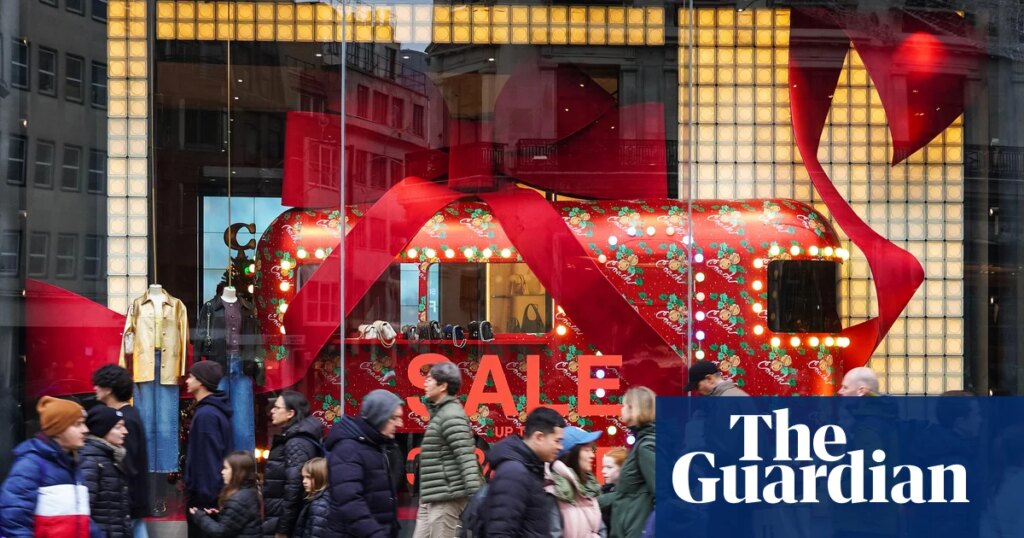
Renewed Enthusiasm for Boxing Day Sales Expected to Generate £3.8bn for UK Retailers
UK shoppers are projected to spend £3.8 billion this Boxing Day, marking a 2% increase from last year. The increase is mainly driven by strong online sales growth, though high streets also benefit from a revived interest in post-Christmas deals.
Boxing Day remains one of the busiest shopping days in the UK, but recent years have seen a shift from physical stores to online platforms. Shoppers increasingly prefer browsing deals from home, reflecting changing habits in retail consumption.
Christmas Day itself has become a significant sales event, with discounts starting as early as midnight on Christmas Eve. Sales on Christmas Day are estimated to exceed £1 billion, supported by 23 million consumers shopping online immediately after opening presents.
High streets and shopping centers are experiencing a modest 1.5% increase in sales compared to last year, outperforming the 0.6% rise in retail price inflation. However, online sales growth is expected to outpace this significantly, with a 3.4% rise forecasted.
Kien Tan of PwC suggests this Boxing Day boost may be linked to a softer Black Friday sales period, where consumer demand was weaker as shoppers awaited better bargains. Tan comments, “There are signs that Black Friday has peaked in the UK, and there will still be people looking for bargains on Boxing Day.”
Consumer caution is pronounced this year, with many feeling more uncertain about spending. The increase in online shopping is being fueled by busy middle-aged shoppers focused on home goods rather than fast fashion.
The post-pandemic surge in home improvements is waning, leading consumers to replace worn furniture and gadgets during the sales. This trend supports higher spending on household items in the Boxing Day sales.
Fashion retailers launched early discounts on Christmas Eve to stimulate demand amid unseasonably mild weather. Retailers such as New Look, Boohoo, Sports Direct, Next, John Lewis, and Topshop offered discounts ranging from 50% to 70%.
Physical store visits were down by 4.5% compared to the previous year, according to footfall data from MRI. While some cities like London saw a rebound, smaller towns and shopping centers reported weaker visitor numbers. Footfall improved slightly on Christmas Eve, increasing 0.4% year-on-year.
Moji Oshisanya from VoucherCodes.co.uk highlights two main drivers for the sales uplift: increased participation and inflation. He notes, “Sales value is expected to grow by 3.2%, yet sales volume is predicted to fall by 0.3%, indicating consumers are spending more but buying fewer items.”
Boxing Day now competes with 27 December as the busiest day for post-Christmas shopping, a competition intensified this year since the 27th falls on a Saturday. This timing allows more shoppers to participate without work commitments.
Consumer intentions show that 44% plan to visit high streets from Boxing Day onwards. Additionally, 29% aim to shop at retail parks, and 22% will head to major shopping centers, signaling widespread engagement across various retail environments.
High street sales face pressure as many large retailers, including John Lewis, Aldi, Poundland, B&Q, Next, and significant Marks & Spencer locations, remain closed on Boxing Day. This limits options for in-person shopping during the traditional post-Christmas sale period.
Moreover, changing family dynamics and multiple celebratory gatherings contribute to varied shopping patterns. Disruptions in public transport services around this time can also hinder footfall, affecting the start of the post-Christmas sales rush.
Overall, the combination of cautious consumer behavior, shifting shopping preferences, and strategic retailer discounts is expected to generate substantial revenue this Boxing Day, highlighting its continued importance in the retail calendar.
Read more at: www.theguardian.com