Israel’s recent recognition of Somaliland as an independent nation has sparked widespread rejection from numerous countries and regional organizations. This move, the first such recognition of Somaliland in over three decades, met with immediate backlash due to concerns over regional stability and legal sovereignty.
Somaliland declared its independence from Somalia amid conflict in 1991, yet it has not been officially recognized by any country until Israel’s announcement. Despite having its own government and currency, Somaliland’s status remained unresolved under international law until this development.
More than 20 countries, primarily from the Middle East and Africa, alongside the Organization of Islamic Cooperation, condemned Israel’s decision. Their joint statement highlighted the “serious repercussions” this unprecedented recognition could have on peace and security in the Horn of Africa and the Red Sea region, warning of broader adverse effects on global peace.


The joint statement explicitly rejected any connection between Israel’s recognition and attempts to remove Palestinians from their homeland. Syria also issued a separate statement opposing Israel’s move, emphasizing its broader geopolitical implications.
Somaliland is strategically located by the Gulf of Aden near Yemen and adjacent to Djibouti, a nation hosting military bases for global powers, including the United States, China, and France. This location heightens the sensitivity of any political shifts within the region.
Earlier in the year, officials from Israel and the United States disclosed discussions with Somaliland authorities regarding resettling Palestinians from Gaza in the region. This plan was linked to a broader U.S. initiative, now abandoned, aimed at resolving the Palestinian issue by relocating populations.
The United States reaffirmed its stance by reiterating its recognition of Somalia’s territorial integrity, explicitly including Somaliland within Somalia. This position aligns with longstanding international norms against unilateral secession.
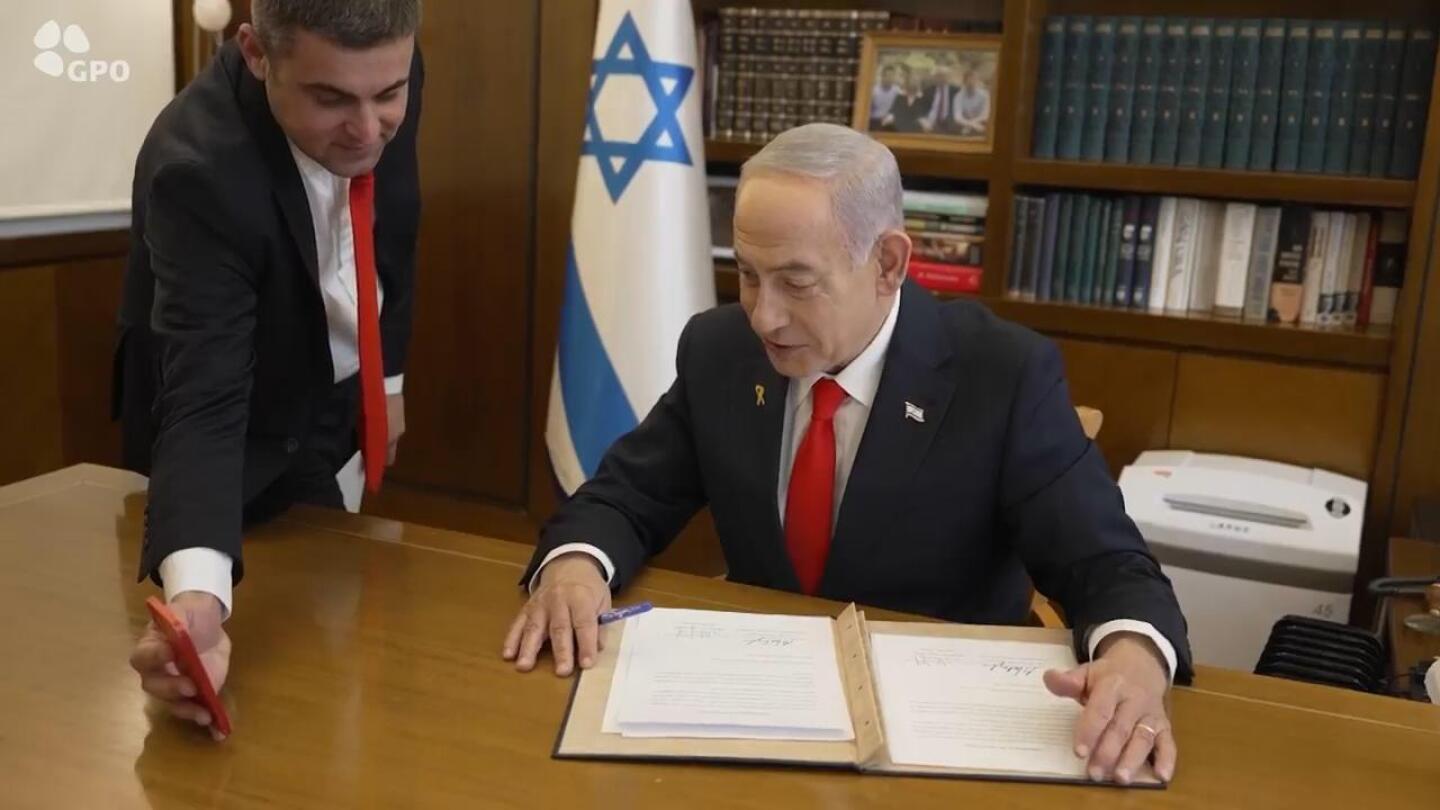
Israeli Prime Minister Benjamin Netanyahu, Foreign Minister Gideon Saar, and Somaliland’s President Abdirahman Mohamed Abdullahi signed a joint declaration tied to the Abraham Accords. These accords have fostered diplomatic ties between Israel and several Arab and Muslim-majority countries since 2020.
Somalia’s federal government forcefully denounced Israel’s recognition, describing it as unlawful and reaffirming Somaliland as an integral part of Somalia. This response underscores the government’s commitment to maintaining the country’s territorial unity.
African regional bodies also opposed Israel’s action. African Union Chairperson Mahmoud Ali Youssouf warned that undermining Somalia’s sovereignty threatens peace across the African continent. The Intergovernmental Authority on Development (IGAD) reinforced this view, emphasizing that Somalia’s sovereignty is protected under international and regional agreements and that any unilateral recognition violates these frameworks.
Summary of Reactions:
- Over 20 countries from Africa and the Middle East plus the Organization of Islamic Cooperation rejected Israel’s recognition.
- Syria issued a specific statement refusing acknowledgment of Somaliland’s independence.
- Somalia’s federal government condemned the move as illegal and reaffirmed sovereignty.
- The African Union and IGAD emphasized respect for Somalia’s territorial integrity under international law.
- The U.S. continues to include Somaliland within Somalia’s recognized territory.
The international rejection of Israel’s recognition reflects concerns about the potential destabilization of the Horn of Africa and broader regional security. Somaliland’s status remains a sensitive and complex subject, intertwined with longstanding geopolitical and legal considerations.
Read more at: apnews.com