Iraqi Sunnis face a deep division ahead of the parliamentary speaker vote. This vote is critical as it shapes the balance of power in the country’s top leadership.
The presidency in Iraq typically goes to a Kurdish politician. The prime minister is usually a Shi’ite leader, while the speaker of parliament is reserved for Sunnis. This sectarian division underscores the dominance of Shi’ites in Iraqi politics, often sidelining other groups.
Regional media highlight the growing split within Sunni factions over electing the parliament speaker. According to Al-Ain from the UAE, these internal disputes have complicated the election process, especially as parliamentary sessions draw near. Sunni parties appear unable to settle on a consensus candidate.


Two main Sunni blocs present rival candidates: the Taqaddum Party backs former speaker Mohammed al-Halbousi. The Azm Alliance insists on their leader Muthanna al-Samarrai. This rivalry risks creating a contested speaker election with no unified Sunni front.
The situation escalated after the assassination of Azm’s candidate, Safaa Al-Mashhadani. This tragic event adds tension to already fragile negotiations between Sunni factions. It also casts doubt on the ability of Sunnis to present a stable leadership choice.
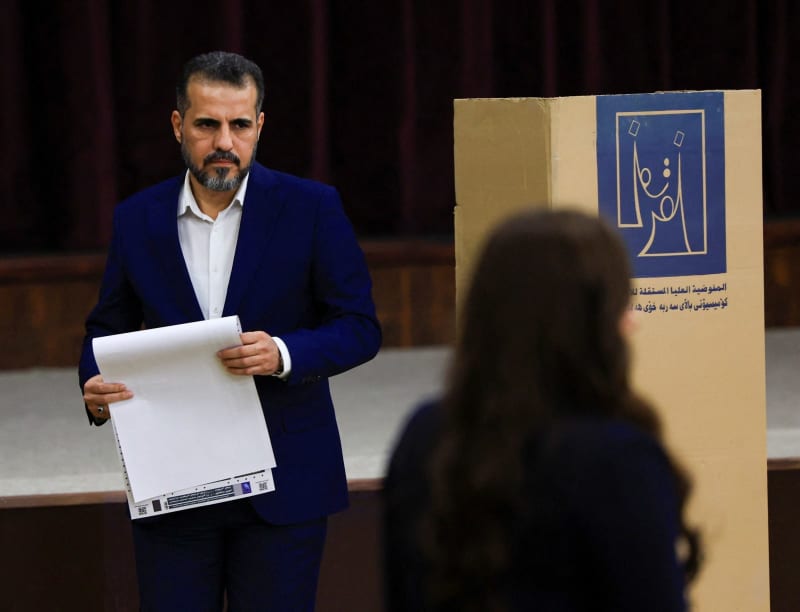
Rudaw, a Kurdish media outlet, reports that the new parliament of 329 members is set to convene soon. The vote for the speaker will be a defining moment for Sunni alignment. Mohammed Daham, a spokesperson for Sunni parties, called the upcoming meeting “decisive in every sense.”
Despite efforts, the Taqaddum Party remains firm on al-Halbousi, while the Azm Alliance is unwavering in its support for al-Samarrai. Sources say consensus appears unreachable, signaling that the vote may feature two competing candidates.
Sunni leaders attempted unity by forming a National Political Council last month. This council aims to consolidate Sunni positions ahead of broader government negotiations. However, internal dissent continues to undermine Sunni cohesion.
Some Sunni politicians have withdrawn from the race. For example, Khamis al-Khanjar’s Sovereignty alliance, holding 14 seats, decided not to run. Two MPs protested the nomination of Hebat Al-Halbousi within their alliance, signaling fractures even within Sunni groups.
The Azm Alliance reiterated it will not back down from nominating Muthanna al-Samarrai. A media official from Azm said al-Samarrai plans to hold a press conference soon to clarify the alliance’s stance on the speaker election.
Iraq’s political system remains volatile post-election, with Sunnis reflecting ongoing struggles for influence. The Sunni divisions reveal the lasting impact of their political decline since the fall of Saddam Hussein. This fragmentation complicates Iraq’s efforts to build stable, inclusive governance moving forward.
Broader consultations among Iraq’s main political forces continue, with Kurdish groups and Shi’ite coordination mechanisms playing key roles. These efforts aim to avoid parliamentary deadlock, but Sunni disunity threatens to hinder consensus.
In summary, Iraqi Sunnis are split over the parliamentary speaker role. With two rival candidates and internal dissent, the vote signals broader challenges in Sunni political cohesion and Iraq’s sectarian power-sharing system. The outcome will affect how Iraq shapes its next government leadership.
Read more at: www.yahoo.com