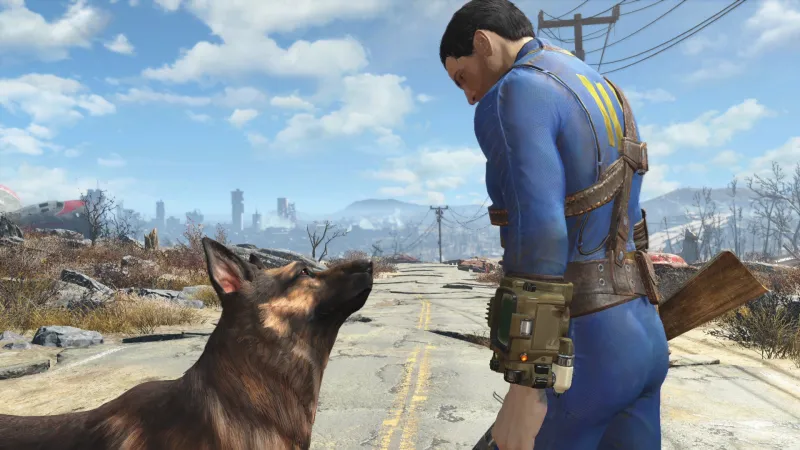
Bethesda Game Studios has provided new insights into the future of the Fallout series and shared key lessons learned from their recent development experiences. Fans of the franchise have faced a lengthy wait for a new mainline single-player Fallout game, but Bethesda remains deeply committed to the universe, continuing development and preparing for upcoming titles.
The Fallout series made a significant transition in 2008 when Bethesda released Fallout 3, reshaping the franchise’s isometric roots into an immersive first-person RPG style. Since then, Bethesda has expanded the franchise with entries like Fallout: New Vegas by Obsidian Entertainment and Fallout 4, along with the online multiplayer Fallout 76 and a successful Prime Video series launched this year.
Current Development Focus and Plans
Bethesda is currently focused on finishing The Elder Scrolls VI, which occupies the majority of their studio resources. However, as Todd Howard, Bethesda’s Director and Executive Producer, revealed, the development team has already begun work on Fallout 5, which will follow after The Elder Scrolls VI release. Howard emphasized the studio’s overlapping workflow, noting that multiple projects often develop simultaneously to maintain momentum.
Howard reassures fans that despite the long wait for a new Fallout title, "we’ve never stopped developing Fallout" and that a dedicated team remains focused on the franchise. He acknowledges fan anticipation but promises that announcements will come when the time is right, aiming to create meaningful moments around such reveals.
Design Philosophy and Player Engagement
Emil Pagliarulo, Studio Design Director, shared that Bethesda’s goal for future Fallout installments is to maintain the elements that fans love—engaging stories, robust systems, and expansive gameplay. He hopes the next games will provide experiences lasting hundreds of hours, staying true to what defines Fallout while evolving to meet modern industry standards and player expectations. Pagliarulo also highlighted how Bethesda improves legacy titles, such as adding sprinting to the Oblivion remaster, to keep their games relevant.
Learning from Past Projects
Angela Browder, Studio Director, reflected on the lessons learned from Fallout 76 and other projects. She explained that creating a multiplayer Fallout “built new muscles” for the studio and taught them invaluable lessons about resilience, player feedback, and evolving development practices. Browder noted that although Starfield introduced the massive challenge of creating a space-based title—a first for Bethesda—this experience will enrich future projects like Elder Scrolls VI.
The Bethesda team listens carefully to community input and strives to incorporate player desires into every new game. Browder emphasized that player feedback influences development over long periods and that the studio reads all comments, even years later, integrating this collective knowledge into their design process.
Key Points on Fallout’s Future and Bethesda’s Approach
- Fallout 5 is planned after Elder Scrolls VI, with preliminary concepts already drafted.
- Development teams work in overlapping cycles to efficiently manage simultaneous projects.
- Lessons from Fallout 76’s multiplayer and Starfield’s scale have improved studio expertise.
- Bethesda aims to balance continuity with innovation, creating games that satisfy long-time fans and newcomers alike.
- The studio prioritizes active listening to the player community, adapting features to modern gameplay trends.
Bethesda continues to build on the Fallout franchise’s legacy while preparing ambitious new titles. The studio’s ongoing commitment, combined with insights gained from recent projects, suggests that future Fallout games will deliver deeper narratives, refined gameplay, and broader player engagement than ever before.
Read more at: gameinformer.com-

-

-

-