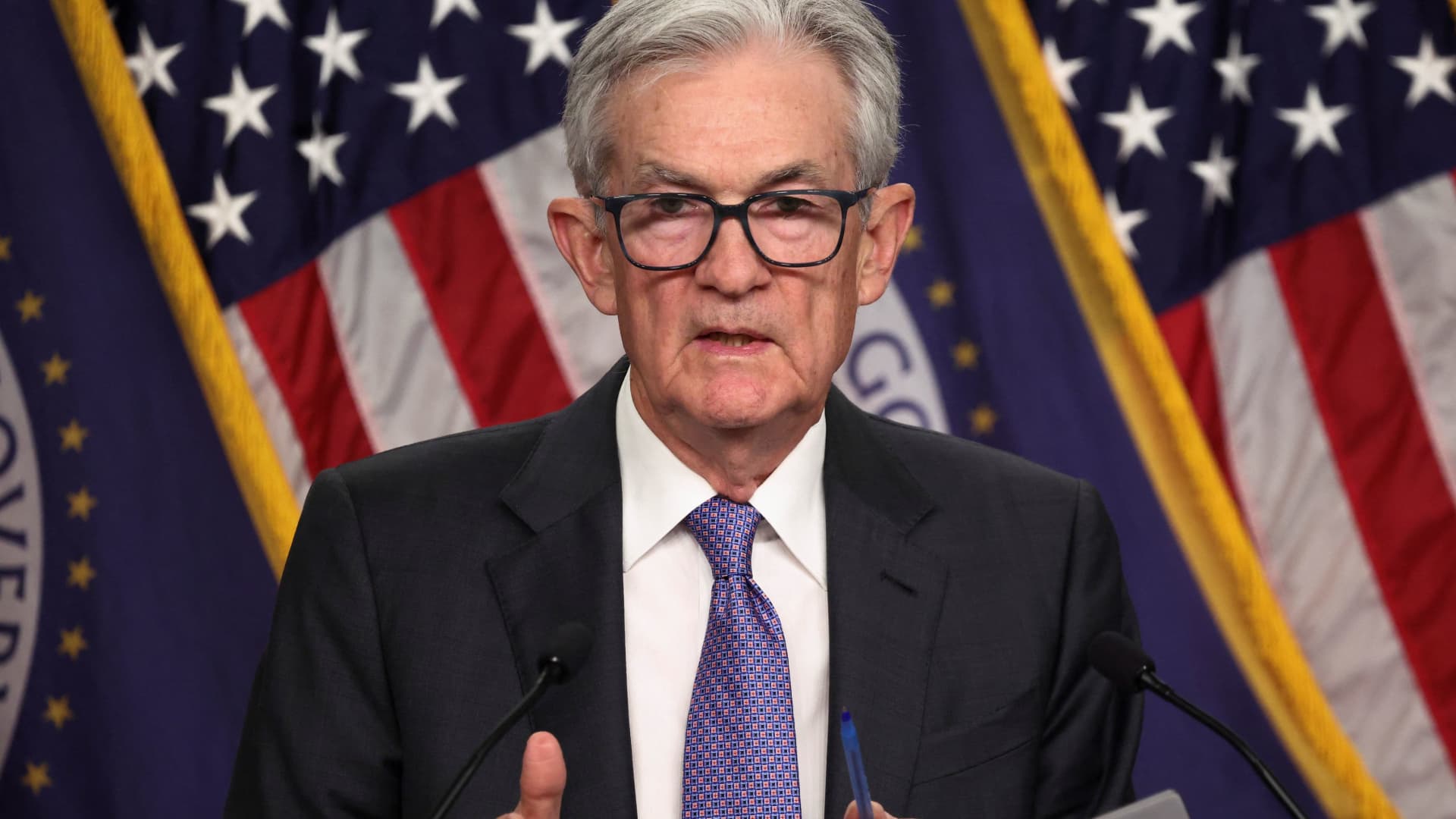
The Federal Reserve released the minutes from its December meeting, revealing a deeply divided committee on the decision to cut interest rates. The Federal Open Market Committee voted 9-3 to reduce the federal funds rate by 25 basis points, lowering it to a range of 3.5% to 3.75%.
Officials debated strongly over balancing labor market support with inflation concerns. Many participants agreed that further rate cuts might be warranted if inflation continued to decline as projected.
Diverse Opinions on Future Rate Moves


Several policymakers advocated for holding rates steady following this reduction. They emphasized the need for more confidence that inflation was sustainably trending toward the Fed’s 2% target. This divergence highlighted uncertainty about how aggressive future monetary easing should be.
Economic projections presented alongside the vote forecasted possible additional cuts in 2026 and 2027. Officials expected the funds rate to approach a neutral level near 3%, which neither accelerates nor restricts economic growth.
Economic Conditions and Inflation Dynamics
The minutes reflected a moderate pace of economic expansion with downside risks for employment. Inflation was a persistent concern, complicated by past tariff-induced price pressures viewed as temporary and likely to diminish next year.
Labor market data showed hiring slowing without a surge in layoffs. Inflation was easing gradually but remained above target levels. Gross domestic product rose strongly in the third quarter, signaling resilient growth despite underlying uncertainties.
Quantitative Easing Resumption
Beyond rate decisions, the Fed opted to restart its Treasury bill purchases to stabilize short-term funding markets. The program began with $40 billion monthly acquisitions aimed at maintaining ample reserve levels for the banking system.
Officials noted that without resuming bond buying, reserves might substantially decline below comfortable thresholds. This measure is intended to ease liquidity strains and foster smoother market functioning.
Shifting Committee Membership and Cautious Outlook
The FOMC faces changes in voting members as four new regional Fed presidents join the decision-making panel. Some incoming members have historically opposed further rate cuts, signaling potential shifts in future policy stance.
With incoming economic data still incomplete due to previous government shutdown delays, the Fed appears poised for a careful approach at its upcoming meetings. Policymakers remain watchful of inflation trends and labor market resilience amid evolving economic conditions.
Read more at: www.cnbc.com