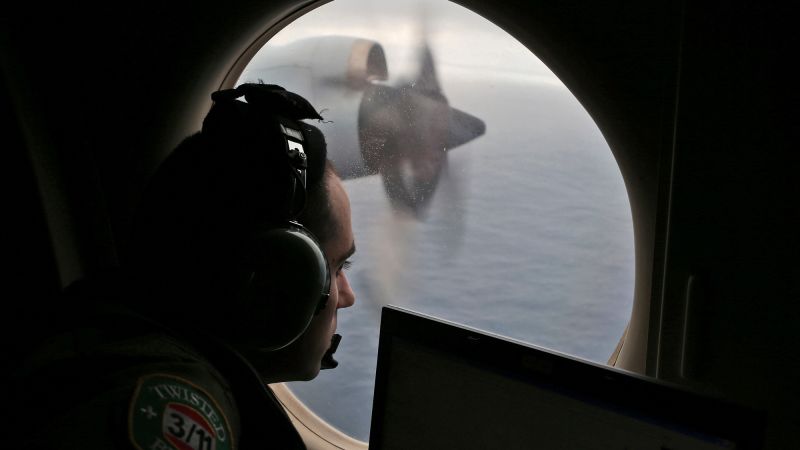
Authorities have initiated a new search effort to locate the missing Malaysia Airlines flight MH370, over ten years after it vanished without a trace. The operation aims to uncover fresh evidence and provide long-awaited answers to one of aviation’s most enduring mysteries.
Flight MH370 disappeared during a scheduled passenger flight, prompting extensive investigations and several previous search missions that yielded limited findings. The new search utilizes advanced technology and expert analysis focused on refined search zones identified through ongoing research and satellite data reevaluation.
Background and Previous Search Efforts


MH370 went missing while en route across the Indian Ocean, sparking the largest multinational air and sea search operation in history. Despite exhaustive efforts, including deep-sea sonar scanning and aerial surveillance, critical parts of the aircraft failed to be located. Some debris identified on distant shores has been confirmed as linked to MH370, but the main wreckage remains undiscovered.
According to official timelines, the original search covered over 120,000 square kilometers of ocean floor. The inability to find the aircraft has left families and experts without conclusive insights into what caused the disappearance, increasing the urgency of the renewed search.
Technology and Strategy in the New Operation
The latest search incorporates updated oceanographic models and improved satellite data interpretation. Advanced underwater vehicles equipped with high-resolution sonar and imaging tools will explore areas deemed more promising based on refined drift and trajectory analyses.
Authorities highlight key factors in the renewed effort:
- Integration of historical data with contemporary ocean current models to predict debris movement.
- Deployment of remotely operated underwater vehicles (ROVs) capable of detailed seabed mapping.
- Collaboration among international experts, naval agencies, and technical specialists to enhance search efficiency.
These measures aim to overcome the limitations of previous missions by applying modern technological capabilities and scientific insights.
Challenges and Expectations
Searching the vast, deep waters remains complex due to ocean topography and the unpredictable nature of debris dispersal. Weather conditions, underwater terrain, and technological constraints pose ongoing obstacles. However, the determination to solve the MH370 mystery drives cooperation and innovation among search teams.
Officials stress the importance of transparency and continuous updates to maintain public trust and support. The endeavor also underscores broader lessons about aviation safety, international cooperation, and crisis response.
The renewed search for flight MH370 marks a significant step in addressing unanswered questions dating back more than a decade. It exemplifies the persistent commitment to uncovering truth and providing closure to the affected families through cutting-edge technology and international collaboration.
Read more at: www.cnn.com