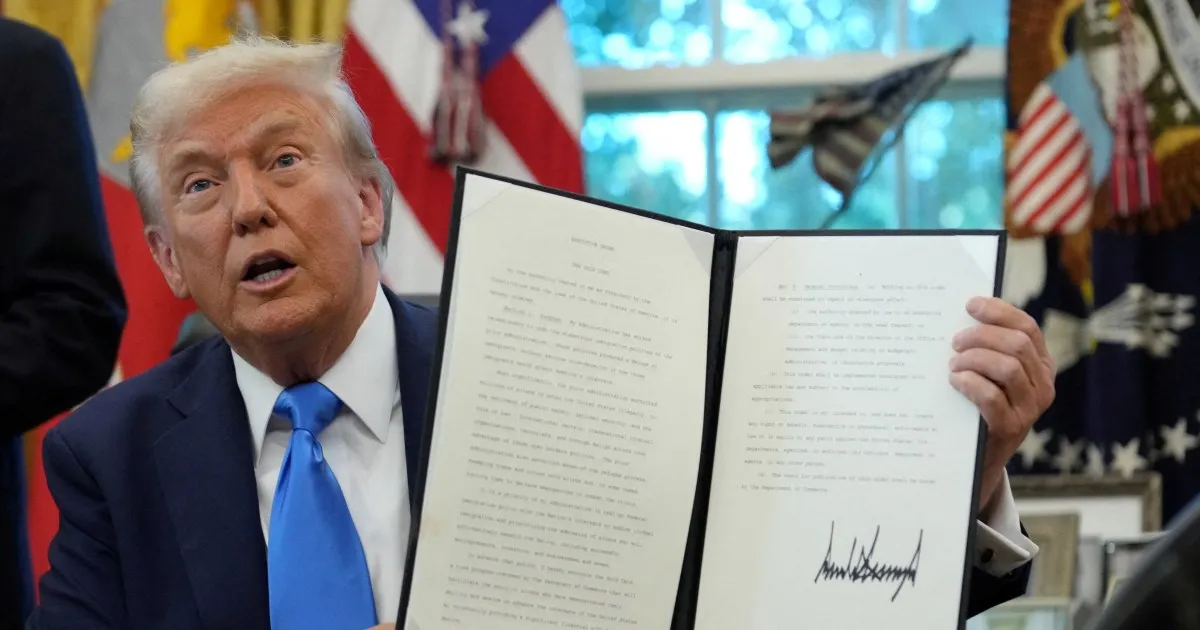
Several African countries have recently imposed visa bans on United States citizens, marking a rare diplomatic backlash against US travel restrictions. Mali, Burkina Faso, and Niger—three West African countries governed by military leadership—initiated reciprocal bans in response to a new US visa policy targeting their citizens. This policy follows US President Donald Trump’s expanded visa restrictions, which now affect 39 countries worldwide, many of them in Africa.
Mali’s Ministry of Foreign Affairs stated that in line with reciprocity principles, the country will apply the same visa requirements to US nationals as those imposed on Malian citizens. Burkina Faso’s foreign minister, Karamoko Jean-Marie Traore, echoed this stance, linking his country’s decision directly to the US visa bans on their citizens. Niger soon followed suit, also citing the US-imposed restrictions as justification for its ban.
US Visa Restrictions and Their Rationale


The US visa bans, effective from December, target countries deemed to have inadequate screening, vetting capabilities, and information-sharing policies. The US government highlighted poor cooperation regarding deportees and the presence of significant terrorist activities as key factors. Besides Mali, Burkina Faso, and Niger, the US also restricted visas for citizens of Laos, Sierra Leone, South Sudan, and Syria in this latest wave.
According to the US-based Council on Foreign Relations, 39 countries face either full or partial visa bans. Of these, 26 are African nations. The complete bans affect countries including Afghanistan, Chad, Eritrea, Haiti, Iran, Libya, Somalia, Sudan, and Yemen—nations often grappling with security challenges.
Regional Security Challenges and Diplomatic Context
The three Sahel nations currently enforcing visa bans on US citizens have long battled insurgencies connected to al-Qaeda and ISIS affiliates. The protracted violence has displaced millions and destabilized entire regions. Recognizing these challenges, Mali, Burkina Faso, and Niger formed the Alliance of Sahel States earlier this year, aiming to bolster security cooperation and trade relations within the region.
Chad, another military-led country, had earlier ceased issuing visas to US citizens, restricting entry mainly to US officials. It was among the initial dozen countries hit by the US visa ban order earlier in the year.
Trump’s Africa Policy: Security and Economic Dimensions
Visa bans represent one facet of a broader shift in US-Africa relations under Trump’s administration. His policies reflect a security-first approach, often framing African countries through the lens of counterterrorism priorities. This stance echoes elements of Trump’s earlier “Muslim ban” policies, which included African nations such as Somalia, Libya, and Sudan.
Trade relations have also transformed. The US has moved away from the African Growth and Opportunity Act (AGOA), which provided African exports tariff-free access to US markets for over two decades. Although Trump’s administration verbally supported extending AGOA, no legislative renewal has occurred. Consequently, African countries now frequently face tariffs based on political calculations, such as the 30 percent tariff imposed on South African exports following disputed allegations related to minority rights in that country.
At the same time, US efforts to secure critical minerals from Africa have intensified. Trump played a key diplomatic role in brokering a peace agreement between the Democratic Republic of Congo and Rwanda, connected with mineral resource access. The US prioritizes raw materials such as cobalt, copper, lithium, and gold, essential for high-tech industries and strategic competition with China.
Aid Cuts and Diplomatic Withdrawals Affect Africa
Beyond trade and security, US foreign aid policies under Trump have sharply curtailed financial support to African health and humanitarian sectors. In early 2025, the Trump administration shuttered the US Agency for International Development and cut billions from foreign aid budgets. These actions have been linked to worsening hunger in regions like northern Nigeria, Somalia, and Kenya, and setbacks in combating HIV and malaria across the continent.
Additionally, the recall of 30 Biden-appointed career US diplomats included many stationed in Africa, raising concerns about deteriorating relations. Countries affected by these diplomatic withdrawals include Algeria, Cameroon, Nigeria, Rwanda, Senegal, Somalia, and Uganda.
Ongoing Counterterrorism Operations and Narrative Tensions
The US has sustained military strikes against Islamist extremist groups affiliated with al-Qaeda and ISIS in Africa. Recent attacks targeted al-Shabab and ISIS elements in Somalia and marks the first US strikes against ISIS-linked groups in northwestern Nigeria. Despite operational cooperation with Nigerian forces, narratives diverge sharply. US officials allege a genocide targeting Nigerian Christians, while Nigerian authorities reject these claims, insisting that violence affects all communities regardless of religion.
The visa bans represent a symbolic and practical response amid these layered security, diplomatic, and policy dynamics. They underscore tensions between US travel restrictions and African countries’ decisions to protect their citizens through reciprocal actions. Given the ongoing challenges in governance, security, and international cooperation across many African nations, these visa policies contribute to a complex and evolving relationship with the United States.
Read more at: www.aljazeera.com