


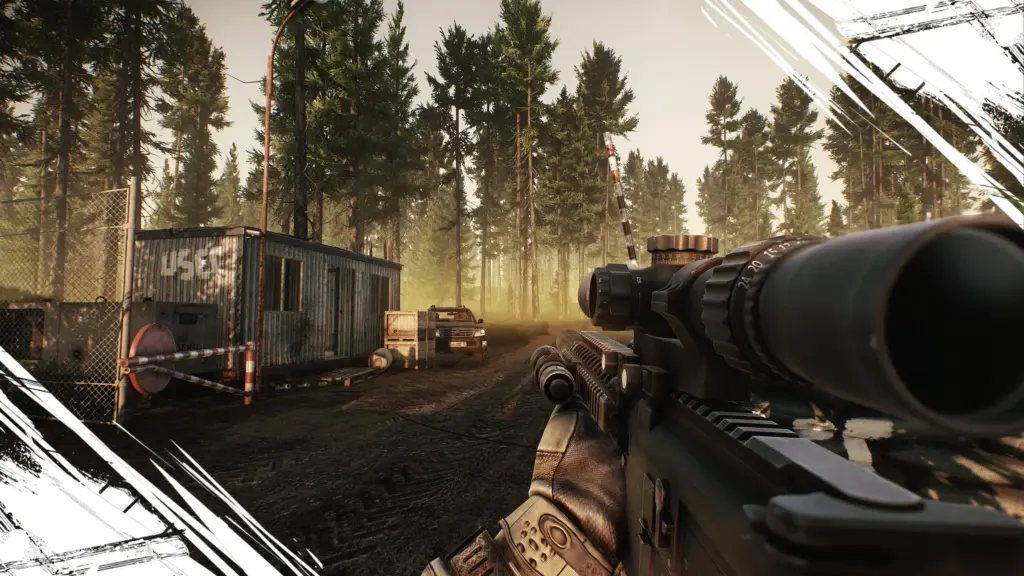
Escape From Tarkov (EFT) has become a defining pioneer in the first-person shooter (FPS) genre by introducing the extraction shooter subgenre. Unlike conventional shooters, EFT centers on players entering hostile zones with the goal of surviving and safely extracting. This mechanic has deeply influenced multiplayer gameplay, blending tactical looting and brutal combat into a unique experience. Battlestate Games formalized this concept after inspirations from titles like DayZ and Arma, creating intense moments perched on the brink of survival at extraction points.
At its core, EFT emphasizes consequence and realism. Each decision carries weight; death is often swift and merciless. Players quickly learn the crucial worth of small resources, such as first-aid kits or specific ammunition, as losing them means severe setbacks. This harsh design mirrors the unpredictability and fragility of real combat scenarios. Battlestate’s choice to make the gameplay deliberately challenging ensures that even minor successes feel meaningful and victorious.
Development Roots and Vision
Escape From Tarkov’s journey began as a spin-off from earlier projects by Battlestate’s CEO, Nikita Buyanov. His earlier games like Contract Wars gained massive popularity with millions of installs but left him yearning for something more ambitious. The spark for EFT came when Buyanov conceptualized a hardcore FPS where players start with nothing and must scavenge loot to survive and escape. This ‘extraction’ idea shifted his focus from Contract Wars, eventually leading to the creation of Battlestate Games and a dedicated team.
Buyanov has stated, “We never planned the game to be for everyone.” His vision was niche and hardcore—targeting a smaller but deeply engaged audience rather than casual players. Early designs like the Factory and Customs maps not only tested core mechanics but also established a detailed and immersive environment. This approach aligned multiplayer intensity with the environmental richness usually reserved for single-player games.
Balancing Hardcore Appeal and Mainstream Growth
Despite maintaining a hardcore identity, EFT faces the challenge of appealing to a growing, more diverse player base, especially after launching on mainstream platforms like Steam. Buyanov recognizes this tension: realism and difficulty are part of what define Tarkov’s identity, yet accessibility is necessary for commercial growth. Battlestate has been carefully updating the game to remain faithful to its roots while making it somewhat more welcoming to newcomers.
The game’s design reflects this balancing act. For example, open areas like highways are realistic combat zones where death is nearly assured—Buyanov asserts, “If you don’t want to get killed, don’t go there.” While some players seek such unforgiving realism, others prefer a more casual approach. This divide between veterans and new players fuels ongoing debates within the community and poses continuous design challenges.
Complexity and Community Dynamics
EFT’s systems are highly intricate, with weapons defined by numerous parameters such as bullet velocity, durability, and penetration. This complexity presents difficulties not only for players but also for Battlestate when implementing changes or fighting cheating. Buyanov describes the challenge: “I think it’s a miracle that we’ve made it playable with this level of complexity.”
The community around EFT is passionate and sometimes polarized. Long-time fans demand the game retain its hardcore nature, while newcomers seek more approachable features. Controversies have arisen, such as with premium DLC packages and access rights, showing the intense scrutiny and expectations placed on the development team. Buyanov remains the game’s public face, engaging directly with players and often bearing both praise and criticism.
Defining and Defending a New Genre
Escape From Tarkov essentially created the extraction shooter genre. Buyanov sees rivals attempting to imitate the concept but doubts they grasp its deeper design principles. He emphasizes that Tarkov’s identity comes from its difficulty, risk, and the high stakes of losing everything. This philosophy remains central despite the pressure to conform to mainstream expectations.
The decade-long development cycle has shaped EFT into a product closely aligned with its original design goals. Buyanov reviewed early design documents recently and confirmed most ideas have come to fruition. This steadfast approach is rare in an industry where many games dilute their vision to please wider audiences.
The Player Experience: A Test of Skill and Endurance
Players of Escape From Tarkov accept a grueling challenge: fast-paced fatal encounters, a steep learning curve, and complex mechanics requiring research beyond the game itself. Survival depends on mastering various systems, anticipating threats, and managing scarce resources. Each successful extraction is a hard-won achievement celebrated almost like a rare accomplishment.
This intensity fosters a unique narrative—players emerge stronger through failure and iteration. The game’s unforgiving nature builds skill, patience, and tactical thought, distinguishing it from other FPS titles. The “sum effect” of Tarkov’s challenges is to make players more capable and emotionally invested, solidifying its standing as a transformative modern FPS.
Looking Ahead
With EFT 1.0’s full release including the Story Mode and Steam launch, Battlestate faces new opportunities and hurdles. Buyanov remains deeply tied to Tarkov but hints at seeking new projects in the future. Despite newer extraction shooters entering the market, Tarkov’s legacy as the genre’s pioneer is secure. The developer’s commitment to a niche, demanding experience ensures that the game will continue to challenge and captivate players who accept the ruthless realities it presents.
In summary, Escape From Tarkov’s success lies in its uncompromising dedication to a hardcore, immersive FPS experience. It carved a path that many now follow but few replicate in spirit. Battlestate’s journey reflects the risks and rewards of innovating within multiplayer shooter design, forever changing how players approach survival and combat in video games.