


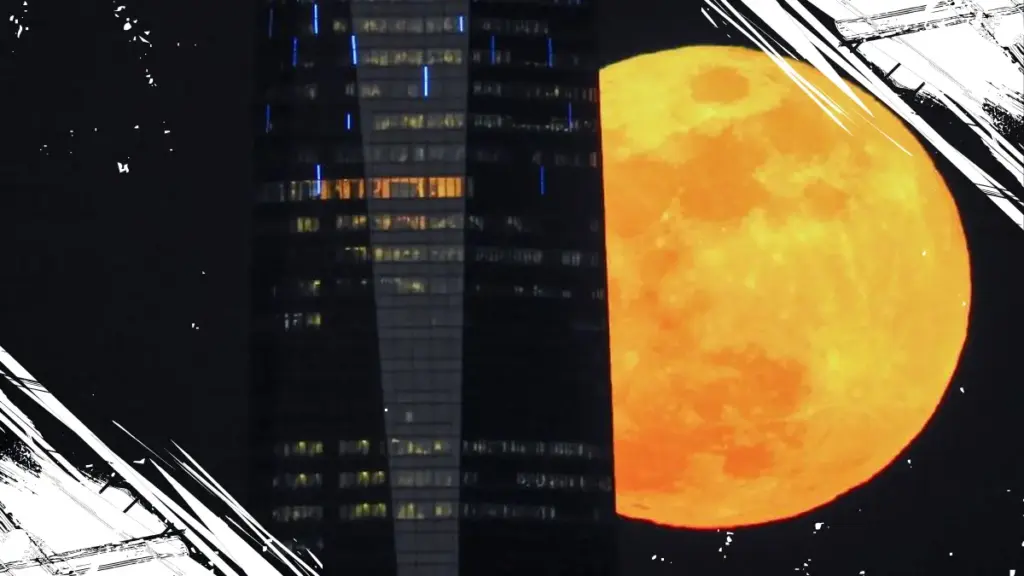
The new year opens with two notable celestial phenomena: January’s full wolf supermoon and the Quadrantid meteor shower. These events offer sky watchers an opportunity to observe the moon’s brightness and the streaks of meteors, though viewing conditions will be influenced by the moon’s glow.
The wolf moon, the first full moon of the year, will reach peak illumination early Saturday morning at 5:03 a.m. ET, appearing larger and brighter in the night sky as a supermoon. According to Noah Petro, chief of NASA’s Planetary, Geology, Geophysics and Geochemistry Laboratory, the moon will appear full on the days surrounding January 3, giving observers a few nights to appreciate its glow.
January’s wolf moon is named for the traditional increase in wolf howling during this time, a name rooted in Native American lore. The Sioux language describes it as “wolves run together,” while tribes like the Potawatomi refer to it as “moon of the bear,” and the Lakota term it the “hard moon.”
The moon’s status as a supermoon means it is closer to Earth than usual, making it appear bigger in the sky. It will be one of the three closest full moons of the year with its brightness reflecting significantly more sunlight. Petro, however, notes that the visual difference is subtle and requires attentive observation.
The Quadrantid meteor shower peaks on the evening of Saturday into early Sunday, from about 4 p.m. to 7 p.m. ET Saturday and best observed from midnight to dawn Sunday. The meteors emanate from the region near the constellation Boötes, once called Quadrans Muralis, giving the shower its name.
Viewing the meteor shower will be challenging due to the wolf supermoon’s brightness. The American Meteor Society’s fireball report coordinator, Robert Lunsford, advises observers to face northeast with the bright moon behind them to improve chances of spotting meteors. Under clear, dark skies, one might see up to five Quadrantid meteors per hour plus some additional random meteors.
The Quadrantids are known for medium velocity meteors, often leaving bright trails lasting seconds after they vanish. Although fireballs are typical for this shower, North American observers have slim odds of witnessing them this time around. The shower remains active until mid-January, allowing for ongoing viewing opportunities.
For optimal moon observation, experts recommend finding dark locations with wide horizons. Telescopes or binoculars can enhance the viewing experience, but no special glasses are needed to safely enjoy the full moon. Sky watchers are encouraged to choose meaningful settings to heighten the moment.
The wolf supermoon also connects to upcoming space exploration milestones. NASA’s Artemis II mission plans a crewed lunar flyby in early February, marking humanity’s return beyond near-Earth orbit after five decades. Observing the moon during this time provides a glimpse of the celestial neighbor that astronauts will visit.
Petro suggests sky enthusiasts keep track of the lunar phases as they prepare for Artemis II, imagining the views astronauts will have of the moon’s far side—regions invisible from Earth. This encourages public engagement with lunar science leading up to the mission’s launch.
Following the January events, further notable meteor showers will occur throughout the year. The American Meteor Society lists key peak dates for 2026’s showers:
1. Lyrids: April 21-22
2. Eta Aquariids: May 5-6
3. Southern Delta Aquariids: July 30-31
4. Alpha Capricornids: July 30-31
5. Perseids: August 12-13
6. Orionids: October 21-22
7. Southern Taurids: November 4-5
8. Northern Taurids: November 11-12
9. Leonids: November 16-17
10. Geminids: December 13-14
11. Ursids: December 21-22
Moon lovers can also anticipate the full moon phases and their traditional nicknames as the year progresses, such as the Snow moon in February, Pink moon in April, and the Cold moon in December. These names originate from natural and cultural phenomena observed at those times.
The simultaneous occurrence of January’s wolf supermoon and the Quadrantid meteor shower initiates the year with captivating night sky events. Enthusiasts are advised to seize clear nights for viewing, balancing the challenge of moonlight with the thrill of spotting meteors and appreciating the lunar spectacle.
Read more at: www.cnn.com