


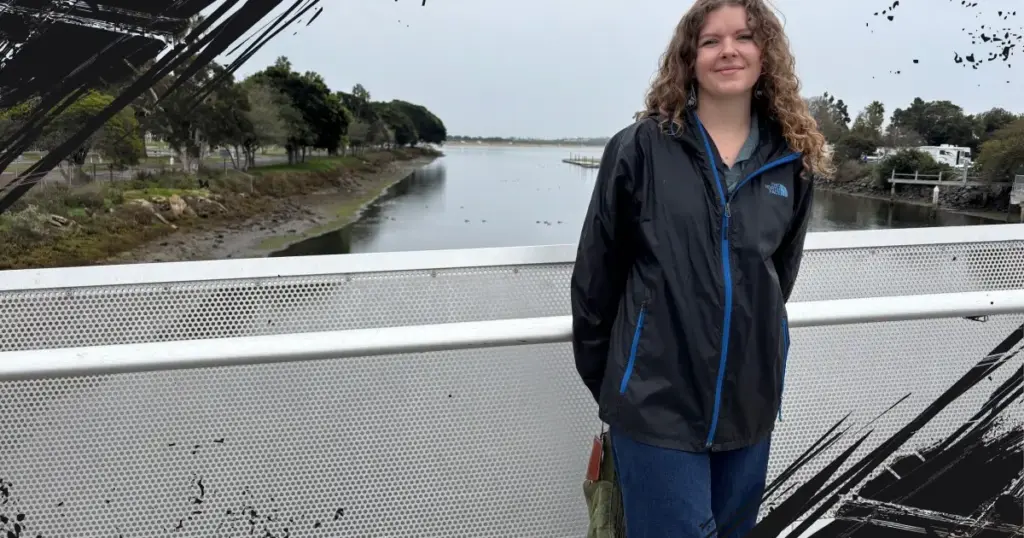
This weekend, San Diego will experience King Tides that are about a foot-and-a-half higher than normal. These tides provide a glimpse into what many coastal areas can expect as ocean levels continue to rise due to climate change.
King Tides happen when the gravitational pull from the moon and the sun align, causing the oceans to reach extreme high and low levels. In San Diego, this phenomenon will make high tides notably higher and low tides lower than usual, affecting coastal environments significantly.
Impacts on Mission Bay and Surrounding Areas
Mission Bay will see heightened water levels, especially during high tide, which raises concerns about flooding risks. Karin Zirk, executive director of Friends of Rose Creek, emphasized that these tides represent what average high tides may look like by the middle of the century. She noted that areas near Mission Bay High School face potential flooding, especially when high tides coincide with heavy rainfall.
Observing these tides is crucial for understanding the long-term changes that sea level rise will bring to the region. Friends of Rose Creek is organizing a volunteer event to document the King Tide by photographing the water levels where Rose Creek meets Mission Bay. This initiative aims to raise awareness and gather valuable data for the California King Tides Project.
Effects on Local Wildlife and Habitats
The San Diego Bird Alliance is supporting the event, highlighting the connection between tidal changes and the health of local bird species. Conservation advocate Savannah Stallings explained that coastal salt marshes create important wildlife habitats for birds such as coots and wigeons. She described wigeons’ calls as similar to a dog’s squeaky toy, underlining their unique presence in the area.
Salt marshes naturally migrate inland as sea levels rise, but this movement depends on space availability. Built environments like parking lots can block this migration, putting marsh habitats at risk of disappearing. Stallings pointed out that urban development must consider how natural habitats will shift to prevent permanent loss.
Planning for a Changing Coastline
Local cities face the challenge of balancing infrastructure needs with environmental preservation. Efforts are underway to relocate man-made structures away from vulnerable shorelines. Stallings stressed the importance of integrating habitat migration plans into redevelopment projects, such as the De Anza Natural plan, to sustain ecological health.
This weekend’s King Tide event offers the public a chance to engage with these issues firsthand. Volunteers will capture images of the tide levels to support ongoing research and community understanding. The data collected will enhance knowledge about future sea level scenarios and inform coastal resilience strategies.
By witnessing the current King Tides, residents can better grasp the immediate implications of rising oceans and the urgent need for adaptive planning. The phenomenon serves as a natural preview of environmental changes that are expected to become more frequent and severe in the decades ahead.