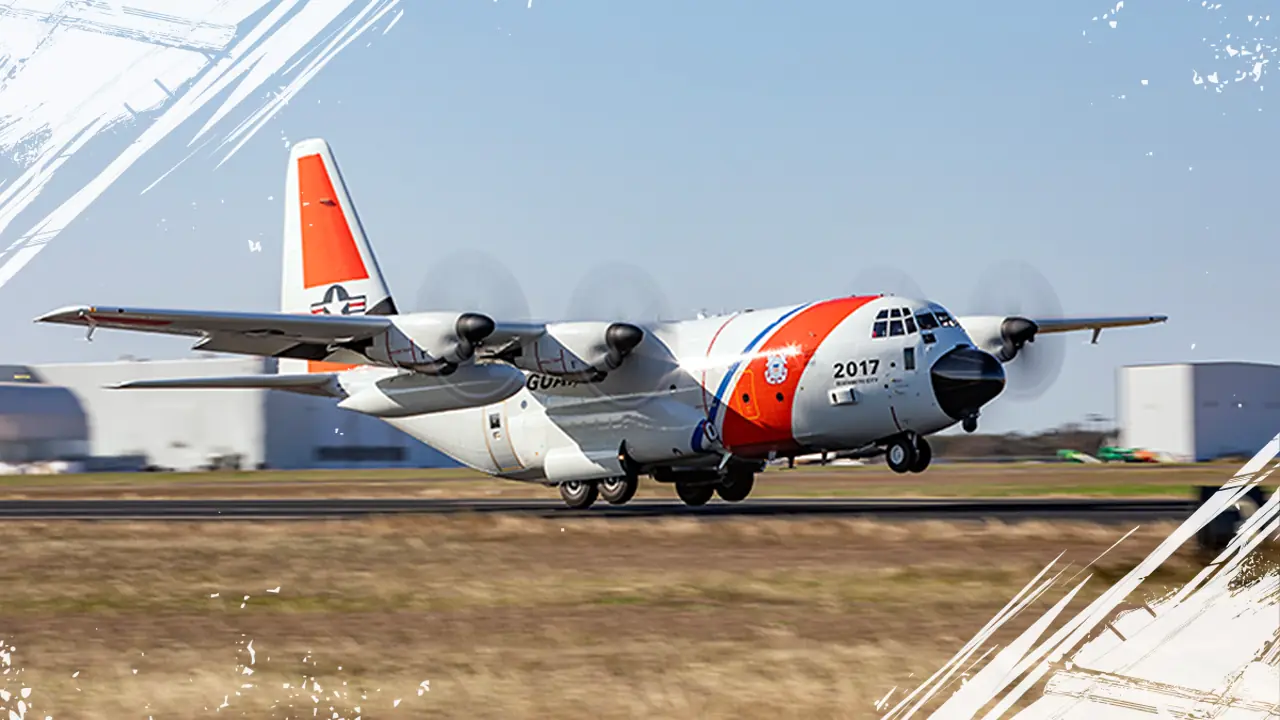
The U.S. Coast Guard is actively searching for survivors following a lethal strike on three suspected narcotics trafficking vessels in the Eastern Pacific. The ships were targeted after being identified as operated by designated terrorist organizations involved in narco-trafficking activities.
Officials reported that the vessels were moving in a convoy within international waters and had reportedly transferred narcotics among themselves prior to the military action. The strike resulted in the deaths of three suspected narco-terrorists aboard the first vessel, while occupants of the other two abandoned the ships before these were sunk in follow-up engagements.
Search and Rescue Operations Underway


Search efforts began around 3 p.m. on Tuesday, following a notification from the Department of War about people found in the water approximately 400 nautical miles southwest of the Mexico-Guatemala border. A U.S. Coast Guard spokesperson confirmed the deployment of a HC-130J aircraft from Sacramento, California, undertaking a search across more than 1,000 nautical miles.
To assist in rescue operations, the Coast Guard issued an urgent marine information broadcast to all mariners in the vicinity. These efforts have included collaboration with partner nations, commercial fishing vessels, and participants in the Automated Mutual-Assistance Vessel Rescue (AMVER) system.
Details of the Military Strikes
According to U.S. Southern Command, the military strikes involved kinetic engagements against vessels operated by terrorist-designated groups suspected of narcotics trafficking. The first strike killed three individuals aboard one vessel. Subsequently, two other vessels were engaged, and those onboard abandoned ship before these were sunk.
On the following day, additional strikes led to the deaths of five more suspected narco-terrorists aboard two other vessels. The strikes demonstrate ongoing U.S. efforts to disrupt narcotics trafficking routes in international waters.
Wider Context and Strategic Importance
This operation forms part of a broader campaign to counter narco-terrorism at sea, targeting maritime convoys used to transport illicit drugs. The Eastern Pacific remains a critical transit area for narcotics shipments bound for North America. U.S. authorities maintain vigilance in this region to disrupt organized crime networks and affiliated terrorist organizations.
Notably, the operation has sparked diplomatic attention. Venezuelan leadership expressed willingness to negotiate with the U.S. regarding drug and oil issues following these military actions. Such geopolitical dynamics underscore the complexity of combating narco-terrorism in international waters.
Summary of Key Actions and Outcomes
- Identification and tracking of three suspect vessels operating in convoy.
- Coordinated kinetic strikes resulting in multiple casualties and vessel destruction.
- Deployment of Coast Guard search aircraft covering extensive maritime zones.
- Coordination with international partners and maritime rescue networks.
- Continued search efforts surpassing 65 hours post-operation.
The U.S. Coast Guard’s ongoing search prioritizes locating survivors among those who abandoned their vessels. The fluid nature of maritime interdiction operations necessitates persistent surveillance and collaboration with allied nations to effectively disrupt narcotics trafficking and associated terror networks at sea.
Read more at: www.foxnews.com