


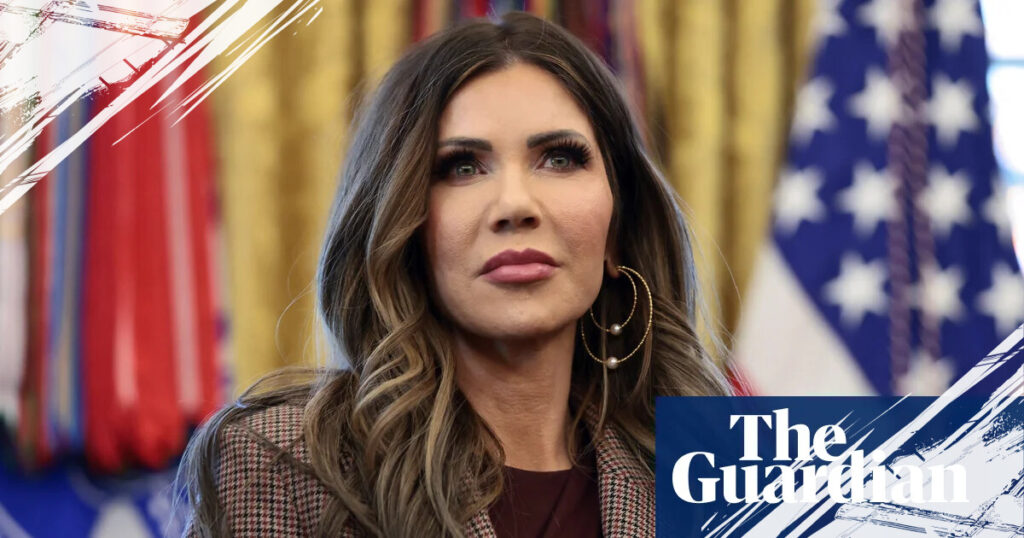
Kristi Noem, the U.S. Secretary of Homeland Security, announced that Venezuelan nationals living in the United States under Temporary Protected Status (TPS) are eligible to apply for refugee status. This clarification followed the Trump administration’s decision to end the Biden-era TPS designation for Venezuela, impacting over 250,000 Venezuelans residing in the country.
Noem stated that the Venezuelan situation has shown signs of improving, asserting, “Venezuela today is more free than it was yesterday.” She emphasized that each individual previously protected by TPS has “the opportunity to apply for refugee status,” highlighting the administration’s commitment to ensuring immigration programs are meaningful and legally compliant.
Background on TPS Termination and Its Impact
The Trump administration revoked the TPS designation for Venezuela four months ago, citing the designation as contrary to U.S. national interests. This decision affected a significant population, including more than 250,000 Venezuelans under the recent TPS and around 350,000 who lost status under earlier orders.
Florida, which hosts over half of these Venezuelan TPS holders, has become a focal point for legal disputes as many affected individuals face the loss of work permits and legal status. The revocation has increased uncertainty among Venezuelan immigrants, with local officials voicing strong opposition to the administration’s move.
Local Responses and Humanitarian Concerns
Elaine Higgins, the Democratic mayor of Miami, criticized the revocation as “reckless, dangerous, and wrong.” She stressed that Venezuela’s instability makes the country unsafe for returnees, stating, “No one should be forced back into chaos and uncertainty.”
These local concerns underscore ongoing debates about the humanitarian consequences of terminating TPS protections against the backdrop of Venezuela’s continuing crisis.
U.S. Policy Objectives Toward Venezuela
Noem highlighted that the United States seeks Venezuelan leadership aligned with U.S. security interests, particularly regarding drug trafficking and preventing terrorism. She reiterated former President Trump’s firm message to Venezuela’s interim leadership, underscoring that cooperation is expected: “You can lead or you can get out of the way.”
The Department of Homeland Security (DHS) reasoned that Venezuela’s “substantial role in driving irregular migration” undermined immigration enforcement efforts under this administration, justifying the decision to end TPS.
Key Points on TPS and Refugee Status Transition
- Venezuelans previously under TPS may apply for refugee status to maintain legal protection.
- The Trump administration terminated TPS for Venezuela following a national interest assessment.
- Florida hosts the majority of Venezuelan TPS holders affected by this policy change.
- Miami’s leadership publicly opposes the revocation due to ongoing instability in Venezuela.
- The U.S. government demands allied leadership in Venezuela focused on security cooperation.
The availability of refugee status applications provides a legal pathway for Venezuelans to maintain protection after TPS revocation. However, this process may involve complex procedural requirements and does not immediately restore work authorization or permanent residency.
The evolving U.S. stance toward Venezuelan immigration status reflects broader geopolitical and security concerns while balancing humanitarian considerations. Agencies continue assessing how best to implement policies in accordance with current circumstances and legal frameworks.
Read more at: www.theguardian.com