Africa’s top football nations are converging in Morocco as the Africa Cup of Nations knockout stages unfold, showcasing a compelling return of the continent’s traditional powerhouses. The tournament has so far maintained a high standard of competition without major upsets, suggesting a phase of consolidation among Africa’s elite teams.
Morocco, buoyed by their historic World Cup semifinal run in Qatar, continue to justify their pre-tournament favoritism as hosts. Their narrow 1-0 victory over Tanzania featured a decisive goal from Brahim Díaz, assisted by Achraf Hakimi, signaling Morocco’s blend of tactical discipline and individual brilliance. Yet, the weight of ending a 50-year title drought appears to add pressure beyond expectation, raising questions about their mental resilience moving forward.
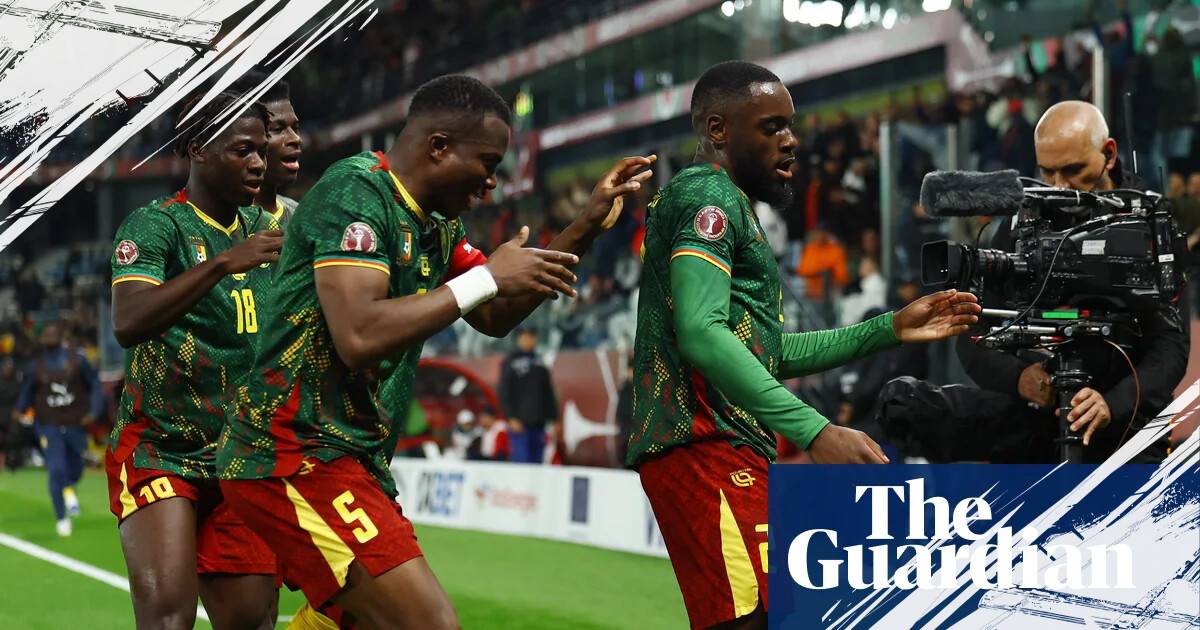
South Africa’s surprising 2-1 win against Cameroon has been noted widely. Despite off-field turmoil, including a public coaching dispute and dual squad submissions, Cameroon displayed promise with dynamic offensive play, particularly from Junior Tchamadeu and Christian Kofane. South Africa, who secured recent World Cup qualification over Cameroon, showed resilience and came close to forcing extra time, highlighting a competitive balance at this stage.


Senegal, West Africa’s dominant force, overcame Sudan despite early setbacks. Their midfield configuration raised concerns due to defensive vulnerabilities, especially on the left flank. However, clinical finishes from Pape Gueye and an impactful substitution by 17-year-old Ibrahim Mbaye reinforced their progression credentials. Senegal’s challenge will be to tighten midfield cohesion against tactically robust opponents.
Mali’s advance to the quarter-finals came via a dramatic penalty shootout victory against Tunisia, a contest marked by tension and tactical conservatism. Under Belgian coach Tom Saintfiet, Mali have leveraged defensive organization and resilience, characteristics that have defined Saintfiet’s extensive international managerial career. Mali’s tendency for draws—14 in their last 23 Africa Cup of Nations matches—reflects a pragmatic approach that could unsettle more attacking sides such as Senegal.
The quarter-final lineup is shaping up to feature nearly all past champions except Ghana, which did not qualify, underscoring a highly competitive yet somewhat predictable tournament landscape. Nigeria and Egypt’s upcoming matches against Mozambique and Benin respectively, alongside an Algeria versus DR Congo clash, will complete the roster of traditional giants battling for continental supremacy.
This Africa Cup of Nations edition may not have delivered breakout individual stars so far, but the concentration of collective quality among the remaining teams promises intense, high-stakes encounters. The return of established powers to prominence brings a renewed narrative of Africa’s football hierarchy as these superpowers vie for the coveted trophy on home soil.
Read more at: www.theguardian.com