


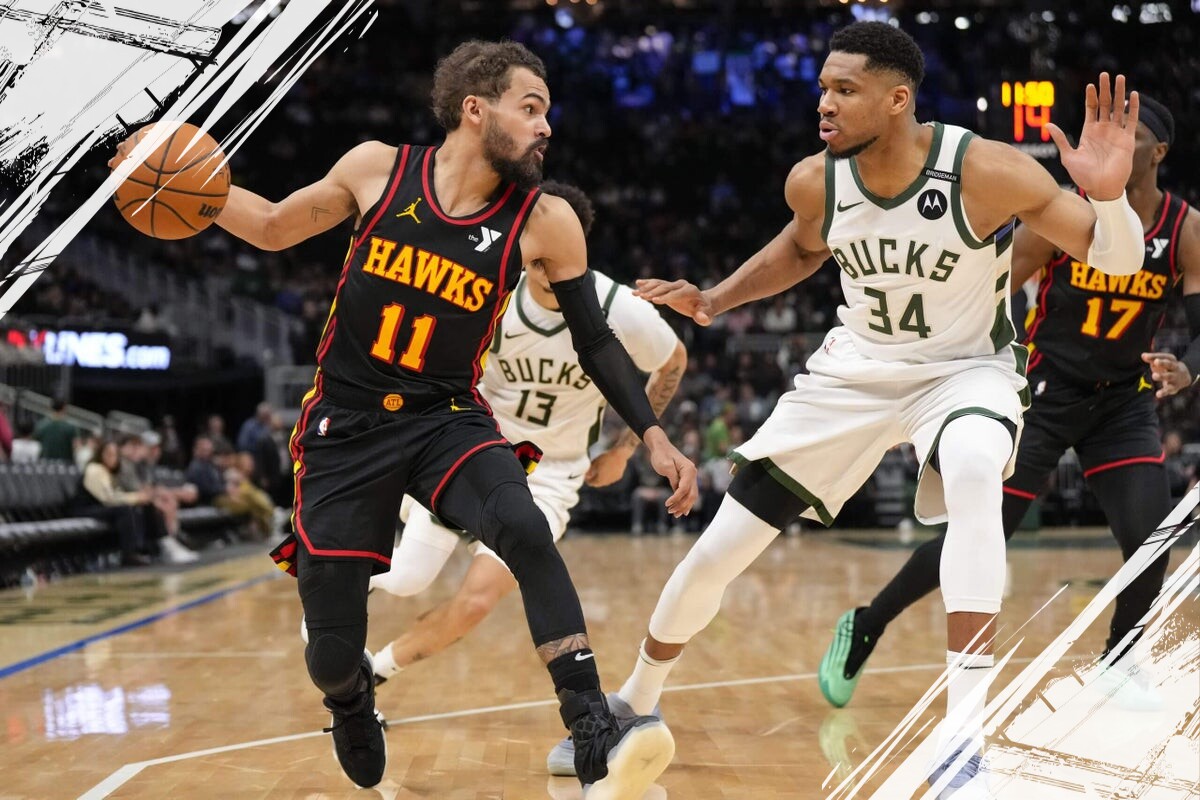
With the NBA trade deadline approaching in early February, speculation is intensifying about the futures of some of the league’s biggest stars. Among the most debated questions are whether Giannis Antetokounmpo or Trae Young will be moved before the deadline. Experts from The Athletic highlight intriguing dynamics behind these players and their potential availability, reflecting broader trends in team building and roster strategies.
Giannis Antetokounmpo’s Uncertain Future
Giannis remains the focal point of trade rumors due to Milwaukee’s struggles this season. The Bucks recently suffered a surprising loss to the Washington Wizards, underscoring their challenges in competing for a title. Veteran general manager Jon Horst is reportedly seeking impactful reinforcements, but even with some tension surrounding Giannis’s stance, a trade this season appears complicated.
Insiders suggest that despite some reports of Giannis wanting a change, a midseason move is unlikely. The Bucks hold significant leverage as trading one of basketball’s all-time greats would command a massive return package. Moreover, the relationship between Giannis and the franchise seems to be in a delicate standstill, reminiscent of Damian Lillard’s situation in Portland, where neither side is eager to “pull the trigger” prematurely.
The complexity around Giannis’s trade value is heightened by Milwaukee’s draft situations, including a pick swap with the struggling New Orleans Pelicans. Though the Bucks could tank and still secure a high pick, Giannis’s departure midseason remains improbable unless there is a decisive shift in the coming weeks.
Trae Young and the Atlanta Hawks
Trae Young offers a different calculus for potential suitors. His 2021 Eastern Conference Finals performance demonstrated his capacity to lead a team deep into the playoffs. However, his defensive liabilities require any interested team to have robust defensive support.
A notable factor influencing Young’s trade scenario is his player option for the next season. Teams looking to acquire him would need a clear and comfortable plan for re-signing him, given the eventual financial commitment involved. This element makes Young a relatively secure veteran asset, though not necessarily a franchise’s primary star, more suited as a second option on a championship-caliber roster.
Compared with Ja Morant and LaMelo Ball, Young represents a more reliable investment. He has notably played more games on average over recent seasons, an important consideration for teams valuing consistency when acquiring elite guards.
The Star Guard Trade Triangle: Morant, Ball, and Young
Ja Morant remains a tantalizing, if risky, option for contenders seeking explosive offensive talent. His recent 40-point night against the Philadelphia 76ers showcased the high potential that makes him a valuable acquisition despite off-court concerns. At 26 years old with two guaranteed seasons remaining, Morant offers a significant window to prove sustained franchise leadership.
LaMelo Ball also fits into this category of impactful yet injury-prone young stars. While Morant is considered the best all-around player among the trio, Ball and Young carry their own distinct appeal and challenges. Teams must weigh production, durability, and fit carefully when considering these players.
Role Players and Depth Moves
Contenders interested in bolstering their postseason chances should target high-level “3-and-D” players from sellers. Michael Porter Jr. of the Nets stands out as a high-impact scorer with a sizable contract that fits a specific timeline. Despite injury history, his production places him in elite company alongside Nikola Jokić, Luka Dončić, and Giannis.
Other pragmatic acquisitions include Phoenix Suns’ Royce O’Neale and New Orleans Pelicans’ Trey Murphy III. Both are seen as valuable role players who bring defensive stability and shooting, two assets in high demand during the playoffs.
Wizards’ Justin Champagnie is another intriguing name due to his effective 3-and-D profile and affordable contract, making him an attractive candidate for a contending team’s bench upgrade.
Teams Needing Decisive Moves
Certain teams between contention and rebuilding phases face mounting pressure to act before the deadline. The Minnesota Timberwolves, for example, are reportedly frustrated with their current trajectory despite a winning record. Player and coaching staff frustrations hint at the urgency for adding star support around Anthony Edwards.
The Orlando Magic, having already landed Desmond Bane, still seek complementary shooters to thrive in slower playoff-paced environments. Adding a player like O’Neale could address both offensive spacing and defensive needs.
Meanwhile, the Indiana Pacers, presently at the lower end of the standings, are advised to acquire a center via trade to build toward future contention. With limited salary cap flexibility in free agency, a midseason trade involving expiring contracts might offer the best pathway to strengthen their lineup.
In the final weeks before February’s trade deadline, the NBA landscape remains fluid. While giants like Giannis and Trae Young capture headlines, savvy teams are also eyeing secondary stars and role players who may tip the balance of power. Strategic moves will likely arise as franchises weigh short-term goals against long-term visions, making this deadline one of the most unpredictable in recent memory.