


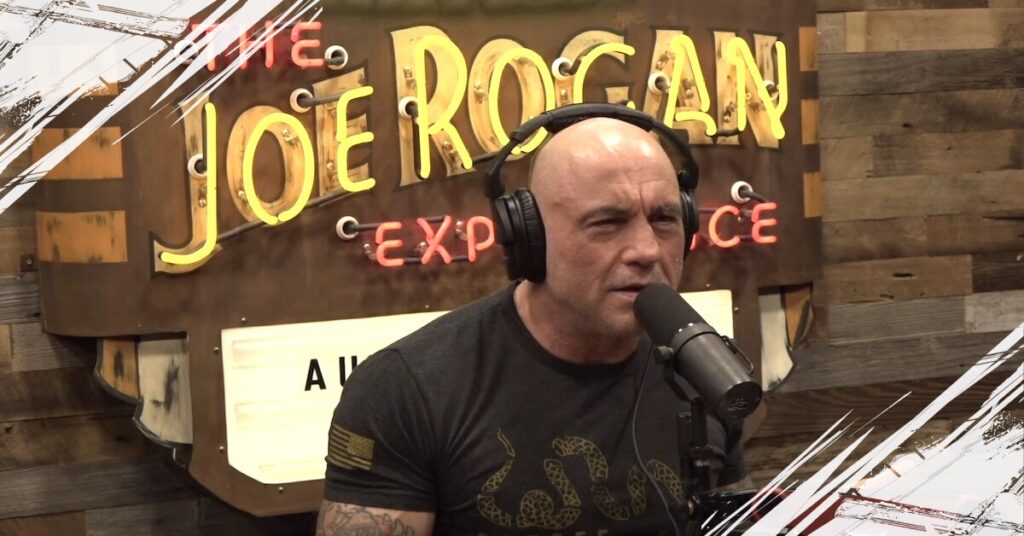
Joe Rogan dismissed the notion that former Vice President Kamala Harris would have struggled to handle a lengthy interview on his podcast. He recalled his extensive three-hour conversation with then-President Donald Trump, emphasizing the format allowed deep, unfiltered dialogue.
Comedian James McCann expressed doubt during a recent episode of The Joe Rogan Experience, suggesting Harris lacked the stamina to engage in such a marathon talk. Rogan countered by insisting Harris was capable of participating and that time constraints on late-night shows limit genuine conversation.
Rogan highlighted the difficulty of connecting with guests in traditional media settings. He pointed out that programs like Stephen Colbert’s late-night show are restricted by brief segments and commercial breaks, curtailing meaningful exchanges.
According to Rogan, an extended format like his podcast enables more nuanced discussion. He shared topics he would have explored with Harris, including personal reflections on her vice presidency and the influence of corporate money in politics.
The podcast host said, "We could’ve talked for hours about that," referring to complex political issues and personal insights. This sentiment underscored Rogan’s belief that time and format are crucial for substantive interviews.
Details about the Harris interview never materializing stem from logistical disagreements. Rogan claimed Harris’s team proposed an hour-long session requiring travel, which conflicted with his format preferences, including a no-discussion clause on marijuana legalization.
Harris, in her memoir 107 Days, shared a differing account. She noted an interview date was scheduled but viewed by Rogan as a "personal day" he ultimately used to interview Trump. She also branded the travel request to Austin, Texas, Rogan’s base, as a significant challenge during her campaign.
Despite reservations from her team, Harris was committed to doing the interview to connect with younger, male audiences typically reached by Rogan’s platform. She stated that one podcast appearance would not sway the election but aimed to extend her message to new listeners.
Rogan’s evolving stance toward Trump after the interview also illustrates the complexity of his role. While originally endorsing Trump shortly before the election, Rogan expressed criticism on specific policies like mass deportations later on.
This exchange between Rogan and McCann reveals broader debates about interview styles and political communication in today’s media landscape. The role of long-form podcasts versus traditional TV shows affects how candidates present themselves and engage with voters.
The behind-the-scenes interaction also sheds light on the challenges for political figures in adapting to unconventional interview platforms. Both Rogan and Harris showed willingness but faced hurdles in scheduling, format, and content control.
Ultimately, the conversation suggests that longer, less scripted formats could foster more authentic political discourse. Rogan’s reflection that they “could’ve talked for hours” points to untapped opportunities for in-depth dialogue in modern political media.
Read more at: www.yahoo.com