The year marks a critical juncture in global affairs, characterized by heightened geopolitical uncertainty and shifting power dynamics. This period sees the United States dismantling established norms while other powers, notably China, capitalize on emerging opportunities in technology and infrastructure. Several interconnected risks define the international landscape, demanding close attention from policymakers and analysts alike.
1. U.S. Political Revolution
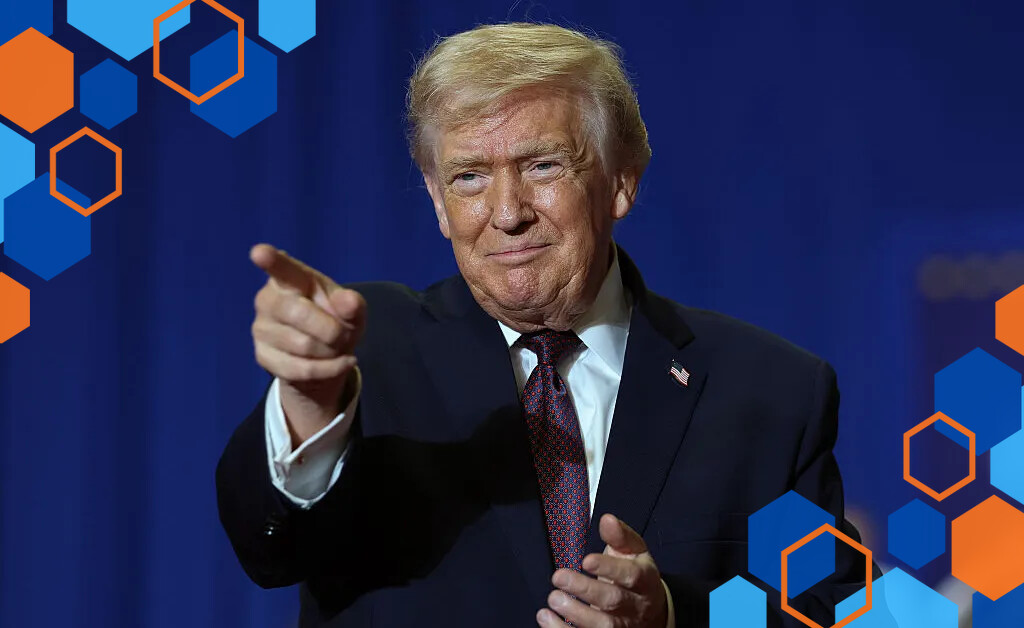
The United States faces a profound political upheaval as former President Donald Trump attempts to reshape the country’s governance framework. This transformation threatens long-standing institutional checks and balances, creating unpredictable domestic and international implications. Experts warn that the U.S. will be a central source of global instability during this time.
2. Technological Leadership and Energy Transition
A growing divide emerges between the U.S. and China regarding control over advanced technologies integral to the 21st century. China has positioned itself as a leader in “electric stack” technologies such as electric vehicles, drones, and artificial intelligence. Meanwhile, the U.S. remains reliant on traditional fossil fuels, risking loss of influence over the global energy and mobility infrastructure landscape. Emerging markets increasingly prefer Chinese technological offerings, signaling a major geopolitical realignment.

3. The Renewed Monroe Doctrine and Latin America
U.S. foreign policy in the Western Hemisphere intensifies with efforts to enforce dominance reminiscent of the Monroe Doctrine. The ousting and trial of Nicolás Maduro in Venezuela marks a significant but preliminary success for the U.S. However, stability and democratic consolidation remain elusive amid risks of regional backlash and unintended consequences of assertive American tactics.
4. European Political Challenges
Europe begins the year grappling with fragile governments in major countries like France, Germany, and the U.K. Each faces pressures from populist movements and external political interference. These factors threaten political paralysis or destabilization, undermining Europe’s capacity to address economic difficulties, fill security gaps left by the U.S., and sustain support for Ukraine, thereby risking fractures within longstanding transatlantic alliances.
5. Shifts in the Russian-European Conflict
The European theater of conflict evolves as attention moves from frontline warfare in Ukraine to an intensified hybrid war between Russia and NATO. NATO’s increasing engagement in countering Russia’s gray-zone activities—such as drone interceptions and offensive cyber operations—heightens the risk of dangerous encounters. The escalation reflects a sharpening contest where miscalculations could have severe consequences.
6. Expansion of State Capitalism in the U.S.
Economic interventionism in the United States intensifies under the current administration, distinguishing itself as the most interventionist since the New Deal era. This new “state capitalism” operates through selective business favoritism, tariffs, regulatory control, and complex investment agreements. As political pressures mount domestically, this approach is expected to persist and reshape American economic policy for the foreseeable future.
7. China’s Deflationary Spiral
China faces a deepening deflationary trend as economic growth slows and consumer demand weakens. The government prioritizes political control and technological leadership over economic stimulus, risking a prolonged period of stagnation akin to Japan’s "lost decade." Beijing’s strategy to export excess production for relief strains global markets, with trading partners increasingly wary of sustained market flooding.
8. Rising Risks from Artificial Intelligence
Artificial intelligence technology is advancing rapidly but falls short of lofty investor expectations. Leading AI firms are adopting revenue models that may exploit users by embedding covert advertising and manipulating information flows. This unchecked commercial drive threatens social cohesion and political stability, as AI begins to shape public opinions and interactions in unprecedented ways, raising concerns about declining critical thinking.
9. Uncertain Future of North American Trade
Trade relations within North America remain unsettled, as the United States-Mexico-Canada Agreement (USMCA) lingers without renewal or significant revision. This “zombie” agreement keeps businesses in a state of uncertainty, especially in industries targeted for reshoring like automotive and metals sectors. Bilateral pressure tactics override predictable trilateral cooperation, complicating regional trade dynamics.
10. Water as a Strategic Weapon
Water scarcity intensifies as a global security issue, with no effective governance mechanisms to manage shared water resources. Critical treaties are suspended or ignored, while major dam projects proceed absent binding agreements. Extremist groups exploit water shortages for influence, and nuclear-armed rivals use water as strategic leverage. The already fragile situation threatens to exacerbate future crises during times of shock or conflict.
The constellation of these risks underscores a more fragmented and volatile global order. Traditional alliances and economic frameworks face mounting pressure as technological revolutions, geopolitical competition, and resource scarcity unfold simultaneously. Monitoring these developments remains essential to anticipating shifts that will shape the coming international environment.
Read more at: time.com