Lindsey Halligan No Longer Part of Justice Department Following Controversial Tenure
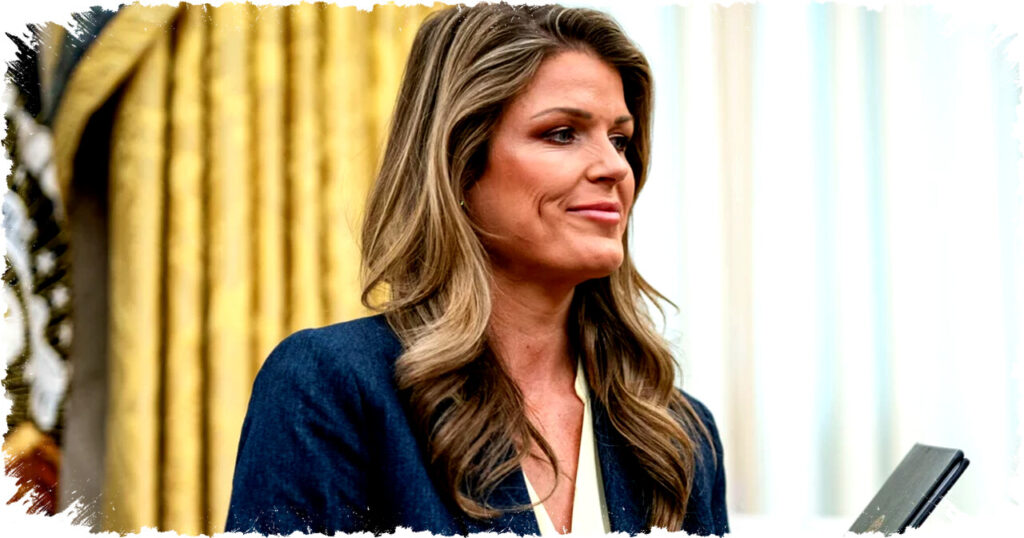
Lindsey Halligan, a former insurance lawyer with no prior prosecutorial experience, is no longer employed by the U.S. Justice Department. Sources close to the situation confirmed her departure shortly after she left her disputed role as interim U.S. attorney for the Eastern District of Virginia.
Halligan assumed the position following a move by former President Donald Trump, who appointed her after pushing out the initial nominee, Erik Siebert. Siebert had resisted pressure to prosecute several Trump adversaries, including former FBI Director James Comey and New York Attorney General Letitia James. This backdrop set the stage for Halligan’s appointment, which was soon challenged in court.
A federal judge ruled Halligan’s appointment unlawful, ordering her to stop identifying as the district’s top federal prosecutor. U.S. District Judge David Novak, appointed by Trump in 2019, remarked on her lack of experience but opted not to pursue disciplinary action. Novak’s decision acknowledged Halligan’s inexperience while underscoring that she had improperly represented herself to the court.
The legal controversy centered on compliance with federal law, which limits interim U.S. attorney appointments to 120 days unless confirmed by the Senate. Because Siebert had not been confirmed, local federal judges took over appointment authority. Halligan’s appointment by Trump contravened this, fueling legal challenges by Comey and James’s lawyers.
Important cases brought by Halligan against Comey and James were dismissed by U.S. District Judge Cameron Currie. He ruled that Halligan’s presentation of these indictments to the grand jury was invalid due to her unlawful appointment. Despite this dismissal, Halligan continued to be identified as the U.S. attorney in official filings, drawing criticism and further court orders forbidding her from representing herself as such.
Similar to Halligan, Alina Habba, another Trump loyalist and former personal attorney to the former president, was disqualified from an acting U.S. attorney position. However, Habba remained within the Justice Department after judges upheld her disqualification in part. By contrast, Halligan’s departure from the department appears final, with no confirmed new role announced.
The political and legal implications of Halligan’s tenure extend beyond her departure. Halligan’s nomination was resubmitted early in the year but stalled in the Senate, and the Justice Department is currently appealing the court rulings that invalidated her appointment. Meanwhile, the Eastern District of Virginia has opened applications for a new interim U.S. attorney to fill the vacancy.
Key developments in the Halligan case include:
- Trump’s appointment of Halligan following the removal of a resistant nominee.
- Halligan’s issuance of indictments against Trump critics, which were later dismissed.
- Court rulings declaring her appointment unlawful due to procedural violations.
- Restrictions forbidding her from representing herself as U.S. attorney in court documents.
- The Justice Department’s ongoing appeal of legal decisions and the stalled Senate confirmation.
- Halligan’s exit from the Justice Department confirmed by internal sources.
Halligan’s brief and contentious federal prosecutorial role highlights tensions between executive appointments and judicial oversight. Her case underscores the importance of proper procedural adherence when filling key law enforcement positions, especially amid politically charged prosecutions. The vacancy announcement for a new interim U.S. attorney indicates that the Eastern District of Virginia is actively seeking qualified leadership unencumbered by similar controversies.