Candles flickered quietly at Berlin’s Memorial to the Murdered Jews of Europe on International Holocaust Remembrance Day. The memorial, a field of 2,700 concrete slabs near the Brandenburg Gate, serves as a solemn tribute to the six million Jewish victims of the Holocaust.
In Berlin, visitors placed white roses alongside the glowing candles as a symbol of remembrance. This act of homage underscores Germany’s ongoing recognition of its history and the atrocities committed during the Nazi era.
International Holocaust Remembrance Day is globally observed on January 27, the anniversary of the liberation of Auschwitz-Birkenau by Soviet troops in 1945. The day was officially established by the United Nations General Assembly in 2005 to honor the victims and survivors of the Holocaust.
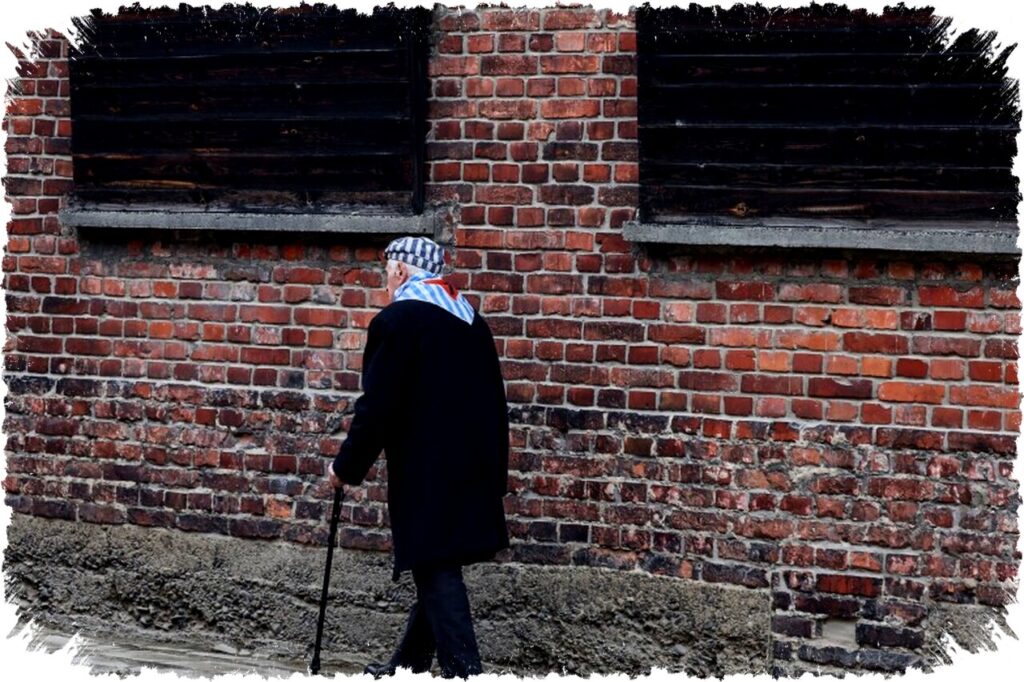
Throughout Europe, various memorial activities unfolded on this day. At Auschwitz in Poland, former prisoners and officials laid flowers at the execution wall, where thousands were killed. Polish President Karol Nawrocki took part in ceremonies at both Auschwitz and the neighboring Birkenau extermination camp.
In the Czech Republic, a candlelight march was organized in Terezin, the location of the former Theresienstadt concentration camp. Thousands of Jews perished there or were deported to Auschwitz and other death camps.
The atrocities committed by Nazi German forces included the murder of approximately 1.1 million people at Auschwitz alone, most of them Jewish. Other victims included Poles, Roma, and various targeted groups. The Holocaust claimed a total of about six million Jewish lives through ghettos, mass shootings, and camps across Eastern Europe.
Holocaust survivors continue to gather for commemorative events, though their numbers steadily decline. According to the Conference on Jewish Material Claims Against Germany, around 196,600 survivors remain worldwide, with a median age of 87. Nearly all are “child survivors,” born in or after 1928.
In the Czech upper house parliament, survivors shared personal testimonies highlighting their experiences. One survivor, Pavel Jelinek, aged 90, expressed that he is the last living member of his prewar Jewish community in Liberec. Such accounts play a vital role in preserving the memory of the Holocaust as firsthand witnesses diminish.
In the United Kingdom, a notable address was given by Mala Tribich, a 95-year-old survivor, to the British Cabinet. She vividly recounted her childhood shattered by the Nazi invasion and time spent in ghettos and concentration camps. Tribich urged lawmakers to actively oppose antisemitism and to remember the historical lessons of the Holocaust.
Political leaders also reflected on the present challenges tied to antisemitism and historical truth. European Union foreign policy chief Kaja Kallas warned that artificial intelligence is being misused to distort facts and undermine collective memory.
Meanwhile, Ukrainian President Volodymyr Zelenskyy drew parallels between the global fight against Nazism and current conflicts. He called for international unity in response to modern threats of hatred and war.
These commemorations across Europe highlight the enduring commitment to remembrance and vigilance. They emphasize the importance of preserving historical truth and promoting unity to prevent the recurrence of such atrocities.