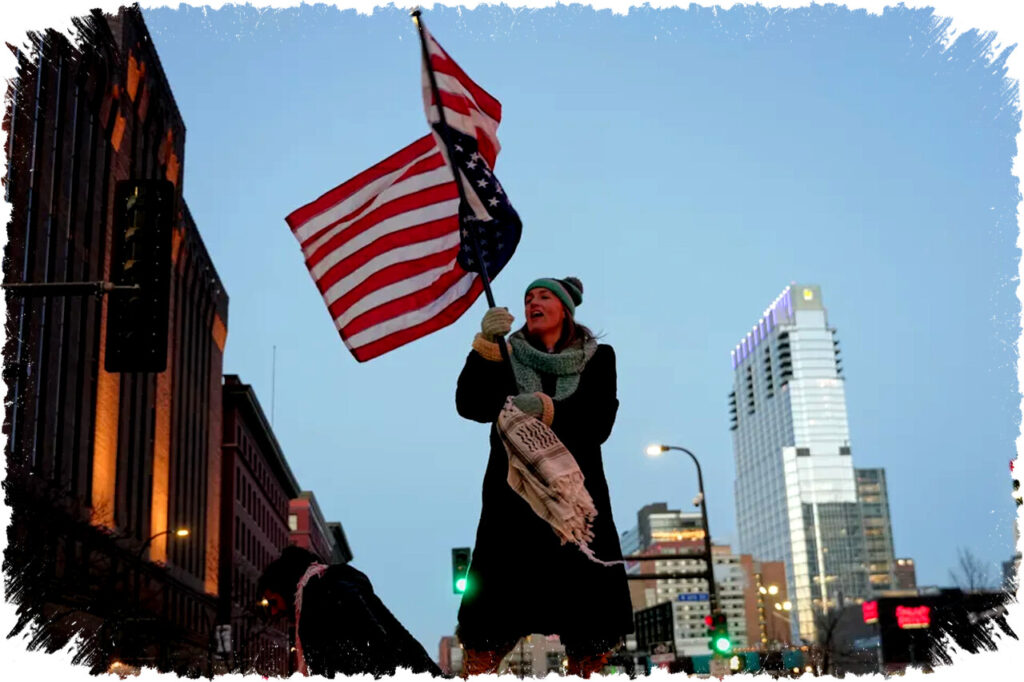
Prominent Republicans and gun rights advocates have recently pressured the White House to revise its stance on the Minneapolis shooting involving Alex Pretti. Pretti, who was shot and killed by a federal officer, was initially blamed by the administration for his own death due to his lawful possession of a firearm.
This incident has sparked tension within the Second Amendment politics of Donald Trump’s coalition. Although it did not trigger immediate policy changes, key Trump supporters are demanding a full investigation into Pretti’s death. Additionally, they have criticized the inconsistent approach some Republicans have taken toward gun rights.
Conflicting Statements and Video Evidence
Immediately after the shooting, senior officials painted a picture of Pretti as a violent aggressor. The Border Patrol chief and Minnesota’s Homeland Security Secretary claimed Pretti brandished his weapon threateningly. However, multiple bystander videos contradicted these claims, showing Pretti holding a cellphone and assisting a woman who had been pepper sprayed.
No footage has surfaced showing Pretti drawing his weapon, which he was legally licensed to carry under Minnesota law. One video appeared to show an officer confiscating Pretti’s gun shortly before shots were fired. These developments have raised questions about the accuracy of the administration’s initial narrative.
National Gun Rights Advocates Push Back
The National Rifle Association (NRA) criticized a federal prosecutor’s comment that approaching law enforcement with a gun increases the likelihood of being shot. The NRA deemed this stance “dangerous and wrong.” FBI Director Kash Patel echoed this sentiment, stating on Fox News that carrying a loaded firearm with multiple magazines to a protest is unacceptable.
Erich Pratt, vice president of Gun Owners of America, emphasized the rights of armed protesters, saying he had personally attended armed rallies without injuries. Many conservative leaders have highlighted the connection between the rights to free speech and gun ownership. Tennessee state Rep. Jeremy Faison stressed that being armed at a protest is “very American.”
Different Historical Responses to Armed Protesters
The administration’s response contrasts with past reactions to incidents involving armed demonstrators. During Trump’s presidency, many supporters armed themselves during the January 6 Capitol attack and later received pardons. Similarly, Republicans strongly defended individuals like Kyle Rittenhouse, who was acquitted after using deadly force at a protest in Kenosha, Wisconsin.
Former Republican congressman Trey Gowdy pointed out the discrepancy, noting that Pretti lawfully carried his firearm and never brandished it. UCLA law professor Adam Winkler mentioned this controversy reveals a growing tribal divide. He observed that Republicans often frame the Second Amendment as a defense against governmental tyranny, but tend to abandon that principle when the individual involved is perceived politically opposed.
Political Stakes and Legislative Implications
This internal conflict arises as Republicans prepare for upcoming midterm elections. With vulnerable control of the House and several critical Senate races, the party is wary of alienating core gun rights supporters. GOP campaign aides have remained publicly reserved on the issue.
The House Republican campaign chairman is pushing legislation to establish nationwide reciprocity for state concealed-carry permits. Although this bill has passed the House Judiciary Committee, its prospects remain uncertain amid the controversy surrounding Pretti’s shooting.
Gun rights groups have made substantial legislative gains in recent years expanding carry rights in various public settings. William Sack, legal director of the Second Amendment Foundation, expressed disappointment at the administration’s initial handling of the Pretti case, warning that wavering support “is very likely to cost them dearly with the core of a constituency they count on.”
The Minneapolis shooting not only challenges the stability of Second Amendment politics within Trump’s base but also exposes growing fissures in party messaging. How Republicans reconcile these divisions could have lasting effects on gun legislation and voter alignment moving into the crucial election season.
Read more at: www.yahoo.com