


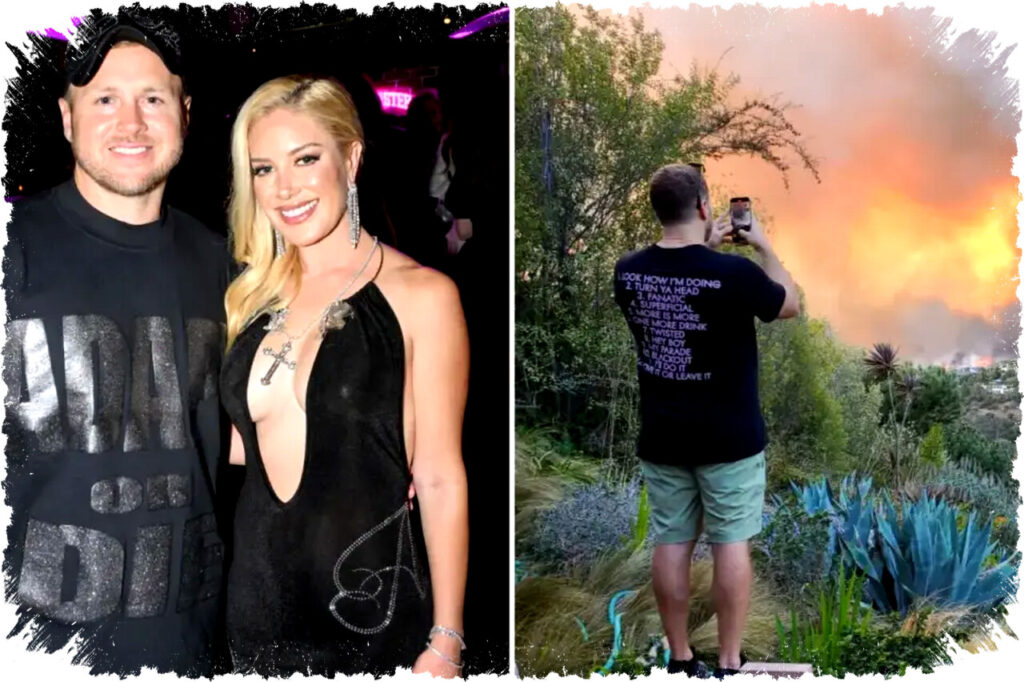
Spencer Pratt has strongly criticized California officials over the handling of the devastating Palisades Fire that destroyed his home. In his memoir, The Guy You Loved to Hate, Pratt calls the event an “absolute catastrophe of mismanagement and governmental failure, corruption and incompetence.” He rejects labeling the disaster as an act of nature, insisting it was negligence disguised as an unavoidable tragedy.
Pratt specifically targeted Governor Gavin Newsom, whom he nicknamed “Mr. Hair Gel” after Newsom insulted Pratt as a “C-list reality star.” He accuses the governor of spreading misinformation and failing to adequately protect the community. The January 2025 Palisades Fire, along with the simultaneous Eaton Fire in Altadena, was predictable, Pratt argues, citing decades of government budget cuts, ignored warnings, and politicians prioritizing their careers over residents’ safety.
Allegations of Neglect and Mismanagement
According to Pratt, Pacific Palisades residents paid $700 million in state taxes in 2024 but received little to no fire prevention investment in return. He points out that even preventative measures such as creating fire breaks by clearing dead brush would have cost only $200,000—a small price compared to the destruction that followed. Pratt highlights the grave issue of dry reservoirs near his property, including the Santa Ynez and Palisades reservoirs, which severely hampered firefighting efforts.
Hydrant water was reportedly nearly depleted in the Palisades area. Fire department helicopters had to travel long distances to Malibu and the San Fernando Valley to refill water supplies. Pratt questioned why no emergency resources were pre-deployed despite clear wind forecasts and why California State Parks did not conduct timely inspections or use thermal technology to detect lingering embers from the Lachman fire, which officials believe triggered the Palisades blaze.
Failed Emergency Response and Insurance Concerns
Pratt recounts his desperate calls to 911 during the fire, begging for assistance, only to be told no resources were available. He describes the heartbreaking moment of watching security footage showing flames engulfing his home and climbing onto his son’s bed. After the fire, he and his wife, Heidi Montag, along with their children, lost everything.
He lambastes the state’s insurance system, particularly the FAIR Plan, calling it a “joke” and “bare-bones stopgap coverage.” Pratt criticizes the plan as inadequate for homeowners facing wildfire risks. Following the fire, Pratt and over 20 other Pacific Palisades homeowners filed a lawsuit against the state, contending that insurers abandoned them due to California’s poor wildfire protections.
Background and Motivations
Pratt’s memoir reveals a personal history as a reality TV villain on MTV’s The Hills and The Princes of Malibu. Despite past glitz and missteps, he expresses deep frustration with what he sees as systemic failure by authorities. Pratt and Montag purchased their Pacific Palisades home in 2017 for $2.52 million; before it burned, its value was estimated at $3.8 million.
His relentless inquiries include filing Freedom of Information Act requests and publicly demanding answers. Pratt’s book exposes years of neglect and indifference by state officials who failed to safeguard residents and infrastructure. This experience motivated Pratt, now a Republican, to run for mayor of Los Angeles, pledging to improve disaster prevention and response.
Future Concerns About Rebuilding Efforts
Pratt warns of troubling plans by city and state officials to rezone the fire-ravaged land. He claims proposals for affordable housing amount to cramming high-rise apartments into dangerous, fire-prone canyons with inadequate evacuation routes and unreliable infrastructure. Pratt argues that without proper planning and investment, the area remains vulnerable to future wildfires.
His memoir and political campaign underscore a commitment to holding government accountable and preventing further catastrophes. Pratt’s firsthand account highlights critical issues surrounding California’s wildfire preparedness, emergency resource allocation, and the insurance industry’s role in protecting homeowners.
Read more at: nypost.com