


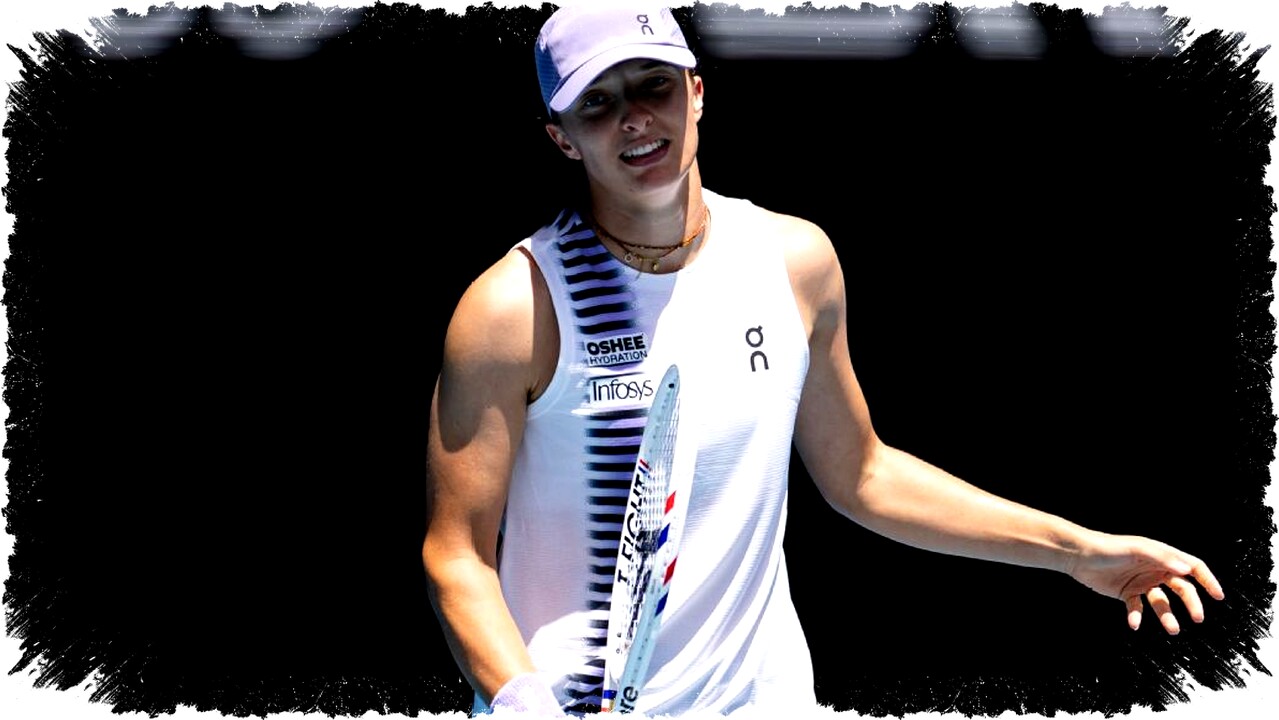
Iga Swiatek and Jessica Pegula have joined Coco Gauff in raising concerns about the extensive camera coverage at the Australian Open. They emphasize the need for tennis players to have private spaces away from the constant public scrutiny.
Gauff’s frustration became widely known after a video showed her smashing a racket off-court, sparking discussion about players’ privacy. She noted that cameras follow athletes from locker rooms to courts, leaving almost no refuge for personal moments.
Swiatek expressed her discomfort, likening the situation to feeling like animals in a zoo under constant watch. She called for areas where players can prepare mentally before matches without being observed by cameras or fans.
Pegula backed Gauff’s viewpoint after her recent match, affirming that players’ only truly private area is the locker room. She described the pervasive camera presence as “very intrusive” and urged tournament organizers to reconsider their approach.
The players highlighted the challenge of balancing entertainment needs and athlete privacy. The Australian Open features numerous fan-engagement activities that increase camera coverage beyond match play.
Novak Djokovic acknowledged the difficulty of escaping constant surveillance and pointed out that content demand drives the trend toward even more cameras. He doubted significant changes would occur soon given current societal expectations.
Swiatek, ranked world No. 2, highlighted that some practice routines require solitude to focus. She stressed that while being watched during matches is expected, unwarranted exposure in personal moments is unnecessary.
Gauff clarified that she avoided smashing her racket in plain sight to maintain professionalism and sought a quieter place to release her frustration. Yet, nearly all parts of the Rod Laver Arena are under camera watch, with few exceptions.
The players’ calls for reflection suggest the need for tournament organizers to revisit policies around media access and player dignity. They underline that mental well-being and preparation are crucial in top-level competition.
Key points raised by the players include:
1. Constant camera presence invading private moments outside match play.
2. Lack of off-camera areas except locker rooms.
3. Desire for spaces to decompress and prepare away from public observation.
4. Impact of viral footage on player image and mental health.
5. Need for conversations on balancing entertainment with respect for athletes.
As tennis tournaments continue expanding fan experiences and media coverage, these concerns may prompt adjustments to protect players’ privacy. The dialogue initiated by top-ranked professionals shows a growing awareness of the pressures created by round-the-clock surveillance in modern sports.