CDC Vaccine Advisory Chair Questions Necessity of Polio Vaccine Mandates
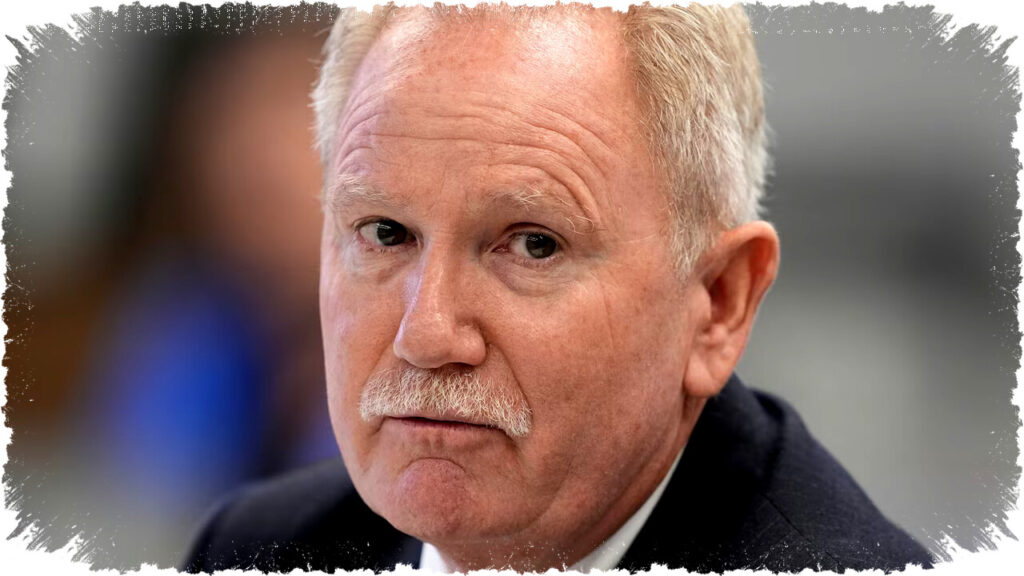
Dr. Kirk Milhoan, recently appointed chair of the CDC’s Advisory Committee on Immunization Practices (ACIP), has expressed doubts about the need for universal mandates on vaccines such as polio. Milhoan emphasized that vaccination decisions should be made between doctors and patients rather than imposed through mandates.
Speaking on the podcast "Why Should I Trust You?," Milhoan criticized mandates, suggesting they have contributed to vaccine hesitancy. He questioned if it is still necessary for children to receive every recommended vaccine before attending kindergarten, advocating instead for individualized medical decisions.
Polio and measles vaccines are widely recognized by public health officials for their major role in eradicating these diseases in the U.S. Decades ago, mass vaccination campaigns eliminated wild poliovirus and measles in the nation. However, Milhoan argued that America’s situation today differs significantly from when the first polio vaccine was introduced in the 1950s, citing changes in sanitation and disease risk as factors that should influence vaccine recommendations.
Currently, CDC advises four doses of the polio vaccine at specific intervals during early childhood, and all states require these vaccinations for public school entry. Milhoan, however, raised the possibility that herd immunity might justify reconsidering blanket vaccinations. He asked whether the perceived benefit of vaccination outweighs the risks if herd immunity is present but also cautioned about the implications if herd immunity declines.
Criticism from Medical Experts
Milhoan’s comments have drawn strong rebuke from major medical organizations and professionals. Dr. Paul Offit, director of the Vaccine Education Center, described the ACIP chair’s views as "frightening" and contrary to established children’s health standards. Offit challenged Milhoan’s assertion about sanitation reducing polio risk, explaining that improved sanitation actually delayed first exposure to poliovirus, increasing susceptibility to paralysis.
Offit also disputed Milhoan’s view on the measles vaccine, noting that despite medical advancements in supportive care over decades, no effective treatments for measles have been developed. He clarified that mortality rates associated with measles have remained consistent since before the vaccine’s introduction, highlighting that the recent U.S. measles deaths occurred primarily among unvaccinated individuals.
According to CDC data, the U.S. recorded 2,255 measles cases last year—the highest in 33 years—with several deaths reported. Milhoan’s contention that measles cases declined prior to vaccination and are manageable in modern healthcare settings was directly challenged by Offit, who stated that supportive treatments such as oxygen and intravenous fluids have been available for decades, with no novel therapies improving outcomes.
Debate Over Individual Autonomy Versus Public Safety
During the podcast, hosts pressed Milhoan on the ethical dilemma posed by personal vaccine refusal potentially endangering immunocompromised individuals. Milhoan acknowledged the complexity but cautioned against prioritizing one individual’s safety over another’s without balancing risks. He questioned whether vaccinating a child could inadvertently harm others through adverse vaccine reactions, framing the dilemma as reciprocal.
Milhoan expressed skepticism regarding vaccine safety monitoring, claiming research has focused disproportionately on vaccine efficacy and disparaging current surveillance systems as inadequate. He also dismissed formal scientific data as less valid than personal observation, which drew criticism from experts emphasizing reliance on evidence-based science.
Response from Supporters
The Independent Medical Alliance, a group known for promoting non-mainstream COVID-19 treatments, defended Milhoan amid widespread critique. Their statement underscored his credentials and constitutional views opposing government-mandated medical interventions. They clarified that Milhoan is not anti-vaccine, acknowledging the historic success of vaccines like polio and smallpox but advocating for patient autonomy in vaccine decisions.
This emerging debate on vaccine mandates reflects ongoing tensions between public health policy and individual rights. The ACIP chair’s stance introduces questions about balancing herd immunity benefits and personal medical choice amid evolving infection risks and medical knowledge. The discussion continues to attract scrutiny from scientific and medical communities concerning vaccine safety and the best approach to maintaining disease prevention in the U.S.
Read more at: abcnews.go.com