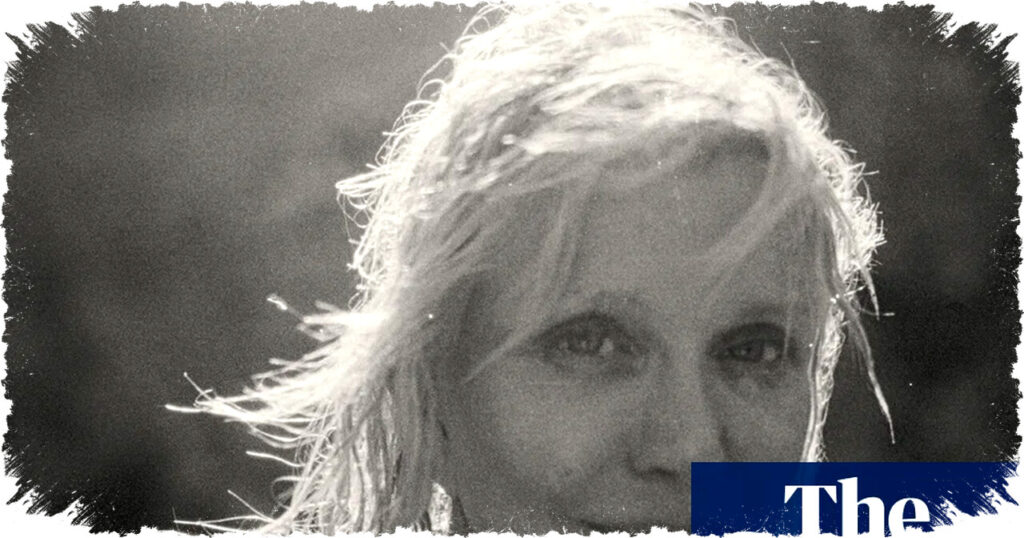
A raw and intimate documentary on Courtney Love has premiered to notable attention at Sundance, portraying the untamed life and resilience of the Gen X icon and former Hole frontwoman. Despite her absence from the festival premiere, the film, titled Antiheroine, offers an unfiltered glimpse into Love’s personal and professional journey over the past several years.
Directed by Edward Lovelace and James Hall, the 98-minute documentary follows Love in her London home, where she has sought refuge for a quieter life. The film captures her sobriety journey, creative rebirth, and reflections on her often turbulent public image. Love remarks early in the film, “Likability was not a factor,” highlighting her unapologetic approach to fame and art.
A Candid Look at Courtney Love’s Career and Personal Battles
Antiheroine explores Love’s early life marked by trauma and instability. Born Courtney Michelle Harrison in 1964 to a countercultural family, she endured early exposure to drugs and neglect. Love candidly shares how her mother’s narcissism and a chaotic youth in foster care shaped her drive and demeanor. She credits Patti Smith with inspiring her to pursue music seriously, leading to her emergence in the punk scenes of Liverpool and Los Angeles.
The documentary also revisits Love’s breakthrough with Hole and her complex, highly publicized relationship with Nirvana’s Kurt Cobain. The filmmakers include interviews with close friends and collaborators such as Michael Stipe, Melissa Auf der Maur, Eric Erlandson, Billie Joe Armstrong, Patty Schemel, and Butch Walker, who provide insight into her magnetic yet polarizing presence.
Courtney addresses the media scrutiny following Cobain’s suicide, during which she faced intense blame and public hostility. Michael Stipe states, “She’s been pilloried again and again. While some was deserved, quite often, it was not.” Love’s resilience amid the relentless spotlight remains a central theme of the film.
Sobriety, Music, and a New Chapter
The documentary highlights Love’s return to music after decades in the shadows. Having released two less successful albums previously, she is now working on a new record after 15 years, intending it to reclaim her narrative. Love reflects, “One song can change everything. If I can’t believe in that then I don’t believe in anything.” The album, still untitled and without a release date, reportedly includes collaborations with longtime friends and bandmates—Auf der Maur and Stipe.
Love openly discusses struggles with addiction in candid terms. She jokes soberly, “If you want to nuke your life, do crack,” acknowledging the darker chapters of her past. Her relationship with her daughter Frances Bean Cobain is touched on delicately, with Love admitting how difficult motherhood was during her most turbulent years.
Documentary Reception and Courtney Love’s Legacy
The filmmakers describe it as a privilege to enter Love’s personal world. Lovelace said during the premiere, “Courtney is so unfiltered, so truthful… It’s been the greatest privilege to make such an intimate, honest film with someone we have so much love for.” While Love was unable to attend due to undisclosed reasons, the film stands as a vivid portrayal of her ongoing recovery and artistic persistence.
As a cultural figure, Love continues to evoke strong responses. Her story reveals both the peaks and valleys of fame, the pressures of public perception, and the power of music as a form of survival. Antiheroine invites viewers to reconsider an often misunderstood icon and witness her fight for redemption and creative vitality.
Read more at: www.theguardian.com