Asia hosts some of the world’s most iconic UNESCO World Heritage sites, yet many remarkable places remain off the typical tourist radar. Among these lesser-known treasures are sites in Macau, Bali, South Korea, India, and Japan, each offering unique cultural and historical insights.
These heritage sites reflect diverse aspects of Asia’s past, ranging from colonial history to ancient spirituality. Exploring these locations reveals deeper layers of Asia’s cultural fabric beyond the usual must-see destinations.
1. Historic Centre of Macao, Macau


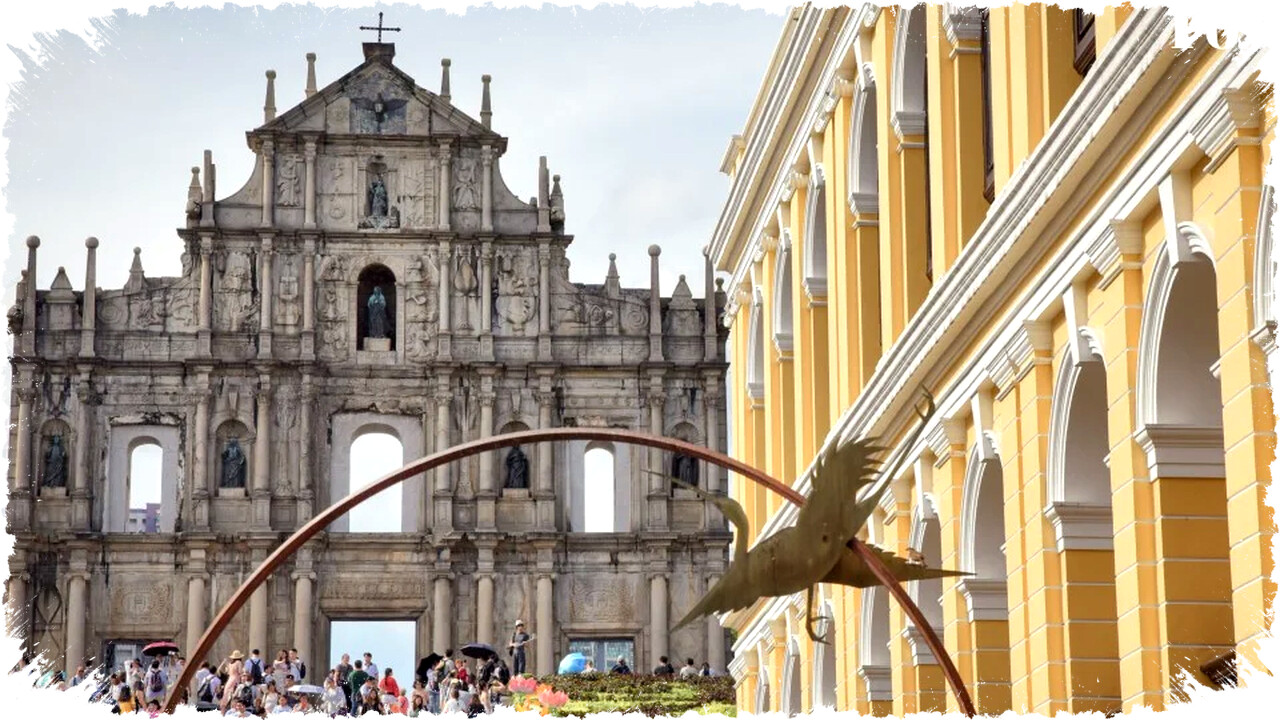
The Historic Centre of Macao, inscribed in 2005, is a complex of 22 buildings and squares showcasing Portuguese and Chinese cultural fusion. Highlights include the 19th-century Dom Pedro V Theatre and the ruins of Saint Paul’s College from the 1600s.
This center represents Macau’s unique colonial history, having been a Portuguese settlement for over 400 years before reverting to Chinese sovereignty in 1999. The winding streets reveal a blend of colonial churches and Chinese temples, illustrating a rare architectural and cultural interplay. UNESCO describes the site as an "outstanding example of cultural and architectural interchange."
2. Subak Cultural Landscape, Bali, Indonesia
Bali’s Subak system is an ingenious traditional irrigation method recognized by UNESCO for sustaining its rice terraces. This 900-year-old agricultural network integrates communal water management with religious rituals.
The interconnected water temples act as spiritual centers guiding the flow of water, crucial for the success of rice farming. The landscape displays a harmonious balance between nature, agriculture, and spirituality, emphasizing sustainability and community cooperation.
3. Gaya Tumuli, South Korea
The Gaya Tumuli, burial mounds from the ancient Gaya confederacy, are scattered across South Korea’s Gyeongsang region. These tumuli date from the 1st to the 6th century and reveal much about early Korean social structures and funerary culture.
Excavations have uncovered elaborate grave goods such as pottery and iron artifacts, shedding light on the technological and artistic achievements of Gaya. Despite their significance, these burial sites tend to be overshadowed by more famous Korean heritage locations like Gyeongju.
4. Ajanta Caves, India
The Ajanta Caves, carved between the 2nd century BCE and 6th century CE in Maharashtra, are a series of rock-cut Buddhist temples and monasteries. They contain exquisite murals and sculptures considered masterpieces of Buddhist religious art.
These caves provide profound insights into early Buddhist culture and art, illustrating stories of the Buddha’s life and Jataka tales. Though widely recognized in India, they remain less visited internationally compared to other monumental sites.
5. Sacred Sites and Pilgrimage Routes in the Kii Mountain Range, Japan
This network of sacred locations includes ancient shrines, temples, and pilgrimage paths surrounded by dense forest in Japan’s Kii Peninsula. The area is associated with Shinto and Buddhist religious traditions, some dating back over a millennium.
The pilgrimage routes facilitate spiritual journeys emphasizing nature worship and ascetic practices. Despite their cultural richness, these sacred sites attract fewer foreign tourists than more urban temples like Kyoto’s complexes.
This selection of Asia’s lesser-known UNESCO World Heritage sites underscores the continent’s vast cultural diversity. Each location offers a unique window into historic traditions, community life, and spiritual practices. These sites deserve wider recognition for their outstanding contributions to humanity’s cultural heritage.
Read more at: www.scmp.com