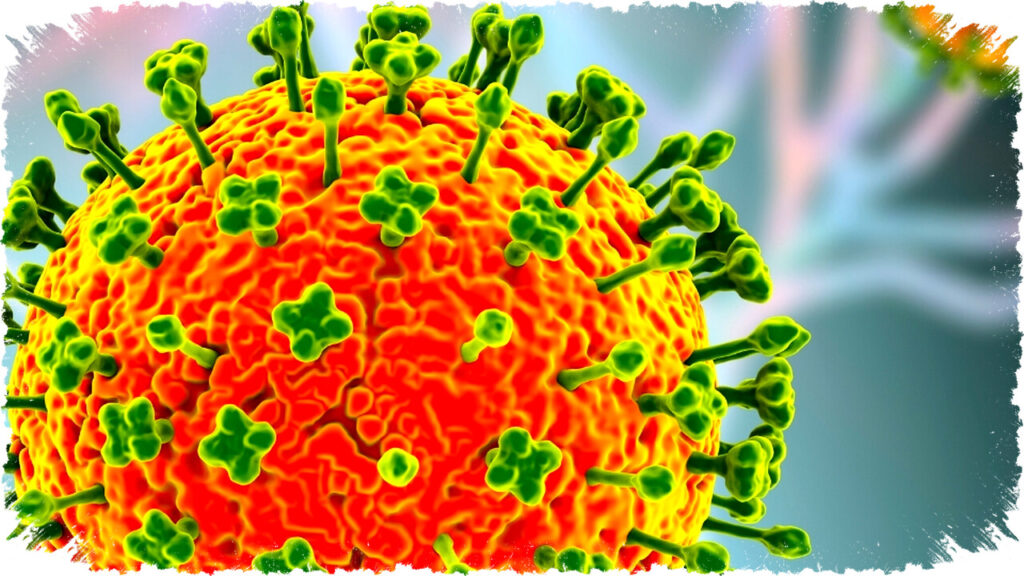
The recent Nipah virus outbreak in India has elevated alert levels across multiple Asian countries due to its high fatality rate, which ranges between 40% and 75%. This resurgence began with confirmed deaths in the West Bengal region, prompting nations such as Thailand, Malaysia, and Singapore to activate enhanced screening and diagnostic protocols at borders and health facilities.
Nipah virus is a zoonotic henipavirus related to the Hendra virus family and primarily transmits from animals to humans. Initially identified during a 1998 outbreak in Malaysia, its transmission routes are well documented. Contact with infected bats, particularly exposure to their saliva, urine, or feces, is the most common origin of infection. Secondary transmission can occur via contaminated food products, especially date palm sap tainted by bat secretions. Human-to-human spread, while less frequent, happens through close contact involving bodily fluids within household and healthcare settings.
The virus causes rapid onset of symptoms, typically appearing between four days and three weeks following exposure. The clinical presentation varies but is often severe and life-threatening. Respiratory issues such as pneumonia can develop, but it is the neurological effects, such as encephalitis or inflammation of the brain, that contribute to its high lethality. Symptoms include sudden fever, severe headaches, seizures, unconsciousness, difficulty breathing, limb paralysis, abnormal movements, and sudden personality changes or psychosis. Remarkably, survivors may experience relapsed encephalitis even years after recovery.
Currently, there is no approved vaccine or widely available specific treatment for Nipah virus infection. Research efforts are ongoing with experimental therapeutic options like m102.4, a monoclonal antibody developed in Australia. This treatment underwent a phase 1 clinical trial, which showed it was well-tolerated in healthy individuals, but it remains far from general accessibility for patients. The antibody may potentially serve a preventative role in the future, though at present, it is still classified as an investigational therapy.
Health authorities remind the public that despite the severity of Nipah virus infection, the overall risk outside affected regions remains low. The virus’s limited person-to-person transmission means it does not pose the same global health threat as diseases like COVID-19. Nevertheless, heightened vigilance and appropriate containment measures are crucial in impacted areas to prevent spread. Travelers returning from epidemic zones who develop fever or other symptoms should promptly inform healthcare providers of their travel history to facilitate accurate diagnosis.
In response to this outbreak, affected and neighboring countries have implemented new protocols to monitor possible cases, including temperature checks, contact tracing, and laboratory testing at ports of entry. These steps aim to quickly identify and isolate infections, minimizing transmission risks. Public health officials continue to emphasize that early detection and isolation remain the most effective tools against Nipah virus outbreaks.
1. Transmission routes of Nipah virus:
– Contact with infected bats’ fluids or excretions
– Consumption of contaminated food, notably date palm sap
– Human-to-human contact via infected bodily fluids
2. Typical symptoms of infection:
– Fever, headaches, seizures, unconsciousness
– Breathing difficulties and pneumonia
– Neurological impairments including encephalitis and psychosis
3. Current medical interventions:
– No licensed vaccine or treatment available
– Experimental m102.4 monoclonal antibody undergoing trials
4. Public health responses:
– Enhanced screening in affected and neighboring countries
– Increased surveillance and awareness campaigns
– Travel advisories and infection control protocols in healthcare settings
While the Nipah virus remains a serious concern in certain parts of Asia, particularly in India’s West Bengal, the international health community closely monitors developments. The prioritization of surveillance and research is vital to improving understanding and mitigating the virus’s impact. Continuous public education and preparedness will support containment efforts and help prevent larger outbreaks in the future.