Understanding ‘Reasonable Fear,’ From Bernhard Goetz to Renee Good
The concept of "reasonable fear" has long shaped legal and social debates about self-defense and public safety. The cases of Bernhard Goetz in the 1980s and Renee Good in recent years illustrate how perceptions of threat and the justification of violence remain deeply entwined with race, class, and public sentiment.
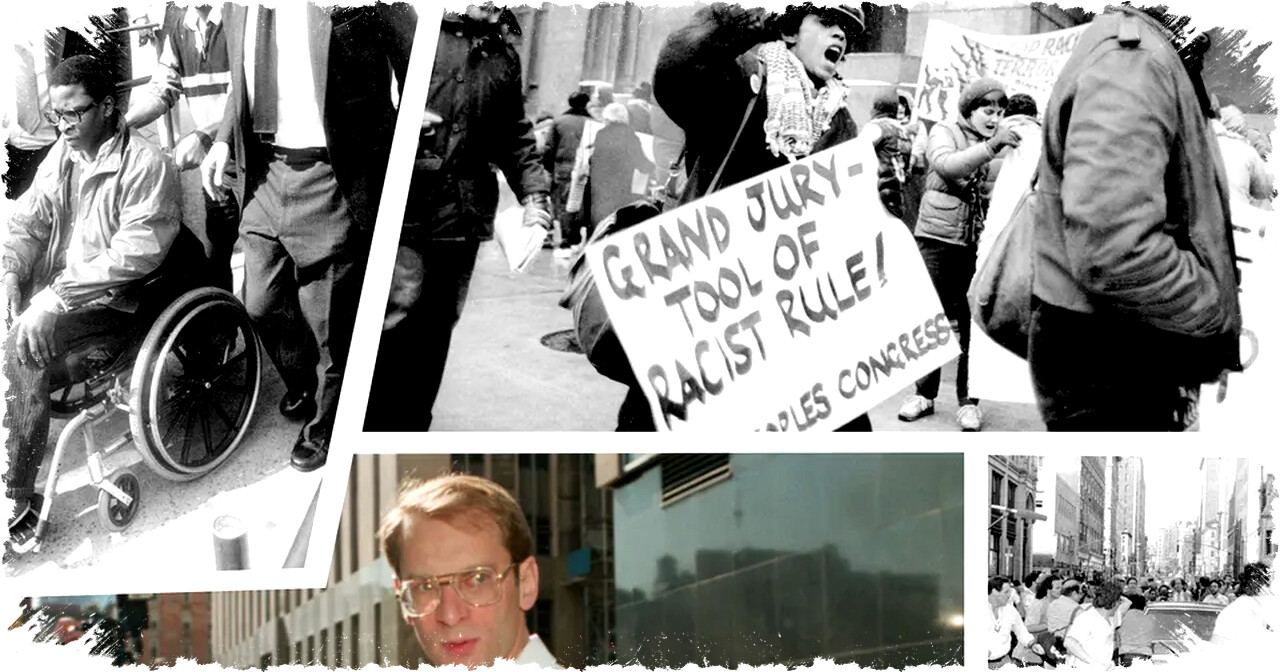
On a subway in New York City in 1984, electrical engineer Bernhard Goetz shot four Black teenagers after they allegedly threatened him. Goetz carried an unlicensed firearm and fired five shots. The event sparked a fierce national debate over self-defense, racial profiling, and urban crime. Goetz claimed he acted out of fear for his life, but his statements and trial revealed complex motivations and racial biases. One victim, Darrell Cabey, was left paralyzed and incapacitated.
The 1984 Goetz Incident and Public Reaction
Public opinion on Goetz’s actions was sharply divided but leaned slightly in his favor at first. A poll showed 57% of New Yorkers believed he acted rightly under the circumstances. Supporters viewed him as a citizen defending himself amid high crime rates during an era marked by nearly 1,450 murders annually in the city. Critics focused on the racial undertones and disproved claims about the teenagers’ threatening behavior. None of the four teenagers brandished weapons during the encounter; screwdrivers supposedly carried were neither sharpened nor used.
During the trial, Goetz was acquitted of attempted murder but convicted only for carrying an unlicensed gun. His lawyers successfully argued the verdict based on whether his fear was reasonable. The case’s complexity was amplified when Goetz admitted in a recorded statement that he shot in retaliation, not just self-defense, revealing racial animus.
Legal and Social Implications of ‘Reasonable Fear’
The concept of reasonableness in self-defense law revolves around whether the defendant’s fear of harm was justified under the circumstances. Goetz’s case exposed ambiguities and highlighted how racial and societal factors influence legal outcomes. The media frenzy surrounding the case unearthed deep dividing lines along racial and class boundaries in America’s urban centers.
Two recent books revisit the Goetz case to analyze its broader implications:
-
Five Bullets by Elliot Williams
- Written by a former prosecutor and legal analyst
- Explores trial strategies and legal nuances
- Highlights the 1980s media climate and racial dynamics
- Fear and Fury by Heather Ann Thompson
- A Pulitzer Prize-winning historian’s detailed account
- Surveys the social and political shifts of the Reagan era
- Places the case within the framework of “White Rage” and urban policy changes
These works argue the Goetz shooting was an early symbol of a growing conservative backlash that embraced aggressive policing, the expansion of gun rights, and punitive criminal justice policies.
The Role of the NRA and Shifts in Gun Politics
The National Rifle Association (NRA), initially focused on sportsmen’s rights, seized on the Goetz case to champion urban gun ownership and self-defense rights. This marked a turning point when the NRA transitioned into a politically active organization advocating for absolute Second Amendment interpretations. This shift culminated decades later in the Supreme Court’s landmark Heller decision, which expanded individual gun ownership rights.
Comparisons With Contemporary Incidents: Renee Good
The echoes of the Goetz case resonate in recent incidents, such as the 2023 killing of Jordan Neely and the 2024 fatal shootings of Renee Good and Alex Pretti by federal agents. These events raise questions on when a perceived threat justifies lethal force. Courts and juries continue to weigh a defendant’s subjective fear alongside objective evidence, often influenced by the race and background of those involved.
Like Goetz, those accused of violence in these recent cases have sometimes been acquitted based on claims of reasonable fear. Public discourse frequently mirrors earlier conversations about whether the victims’ behavior warranted fatal responses or was shaped by racial and social biases.
Key Factors in Evaluating Reasonable Fear
The ongoing debates around reasonable fear often involve these elements:
- Context of the encounter: urban environment, crime rates, presence of weapons
- Behavior of the parties: threats made, prior criminal activity or reputations
- Racial identity and socioeconomic status: which affect perceptions and legal treatment
- Legal definitions: motive, intent, and the standard for “reasonableness” in self-defense
- Public and media influence: shaping social attitudes and jury decisions
How Societal Views on Safety Have Evolved
Since the 1980s, crime rates in cities like New York have significantly declined. The perception of daily threat has lessened for most residents, altering how "reasonable fear" is interpreted. Media and legal standards now scrutinize racial language and bias more rigorously than in prior decades. For example, explicit use of racial slurs by defendants, once widely reported without commentary, now incurs strong public condemnation.
Yet, the political and cultural rhetoric around safety, race, and violence often remains charged. Stand-your-ground laws and doctrines like the castle rule emphasize the defender’s right to act on perceived threats. Still, this evaluation is never race- or identity-neutral, affecting which lives are deemed worthy of protection.
Implications for Justice and Social Policy
The stories from Bernhard Goetz to Renee Good reveal how the notion of reasonable fear shapes—and sometimes distorts—justice. They highlight persistent challenges in balancing individual self-defense rights against protections for marginalized communities.
The legacy of these cases urges continuous examination of how racial attitudes, legal standards, and political agendas impact public safety and civil rights. They remind policymakers, legal professionals, and the public that the word “reasonable” carries profound consequences beyond a mere legal term—it shapes lives and lives lost across American cities.
Read more at: www.curbed.com-

-

-
-