


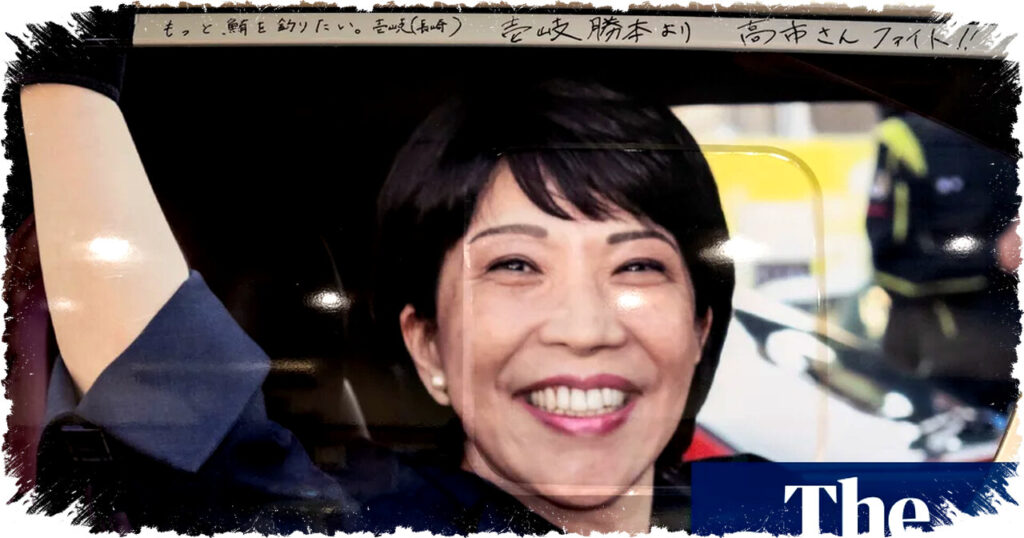
Japan is witnessing a surge of enthusiasm known as "Sana-mania" as ultra-conservative leader Sanae Takaichi is poised to secure a landmark victory in the upcoming lower house elections. The ruling Liberal Democratic Party (LDP) is projected to win more than 300 out of 465 seats, achieving a two-thirds parliamentary majority for the first time in months.
Takaichi, Japan’s first female prime minister, has emerged as a pivotal figure after the LDP faced setbacks just eight months ago. Previously beleaguered by scandal and internal factional strife, the party’s fortunes have been revitalized under her leadership, defying expectations that favored younger contenders like Shinjiro Koizumi.
Rising Popularity of Sanae Takaichi
Takaichi’s appeal cuts across Japan’s conservative landscape and younger voters, partly driven by her active social media presence. With over 2.6 million followers on X (formerly Twitter), she vastly outnumbers opposition leaders in online reach. Her approachability and relatable public image—from her train snacks to a distinctive pink pen—have created a personality cult likened to “Sana-mania.”
Her straightforward style and personal narrative resonate with many Japanese, especially amid dissatisfaction with traditional male politicians. Yuiko Fujita, a Tokyo University associate professor, notes that Takaichi’s leadership symbolizes a shift away from the usual senior male political figures.
Policy Positions and Political Stance
Takaichi is known for her ultra-conservative views. She opposes female members of the imperial family becoming reigning empresses and supports mandatory shared surnames for married couples, typically favoring the husband’s name. She refrains from challenging Japan’s long-standing traditions, such as the prohibition of women entering sacred sumo arenas.
Her campaign addresses pressing domestic issues, including immigration control and living costs, with promises such as suspending the 8% consumption tax on food for two years. Still, some voters remain skeptical about whether these policies will effectively alleviate economic hardships. Tomomi Kawamura, a Tokyo housewife, expressed concern over rising prices despite admiring Takaichi’s social media presence.
International Engagements and Public Image
Takaichi has significantly raised Japan’s international profile through diplomatic meetings with former U.S. President Donald Trump, China’s Xi Jinping, and South Korea’s President Lee Jae Myung. These engagements have enhanced her stature but also precipitated challenges, including tensions with Beijing over Taiwan’s future.
Her personal charm extends beyond politics—she was seen drumming with South Korea’s President Lee and playfully interacting with U.S. troops stationed in Japan. These behaviors contribute to her approachable image and broaden her appeal across diverse voter demographics.
Elections Outlook and Public Sentiment
Polling data indicates the LDP and its coalition partner, the Japan Innovation Party, are on track for a strong majority, signaling heavy losses for the main opposition Centrist Reform Alliance. However, electoral risks remain, particularly concerning voter turnout among younger people, who admire Takaichi but historically participate less in elections.
The election will test public approval of Takaichi’s leadership amid challenges such as the cost-of-living crisis, a volatile yen, and security threats from neighboring countries. Her decision to call a snap election emphasized giving voters the opportunity to judge her fitness to lead Japan.
As Japanese citizens prepare for winter voting conditions, political analysts anticipate that the wave of support for Takaichi will translate into a decisive win, potentially defining Japan’s political trajectory for years to come.