The 2025-26 NBA trade deadline concluded with several significant player moves that reshaped multiple rosters. While Giannis Antetokounmpo remained with the Milwaukee Bucks, many other stars and role players switched teams, affecting the balance of contenders and rebuilding squads alike.
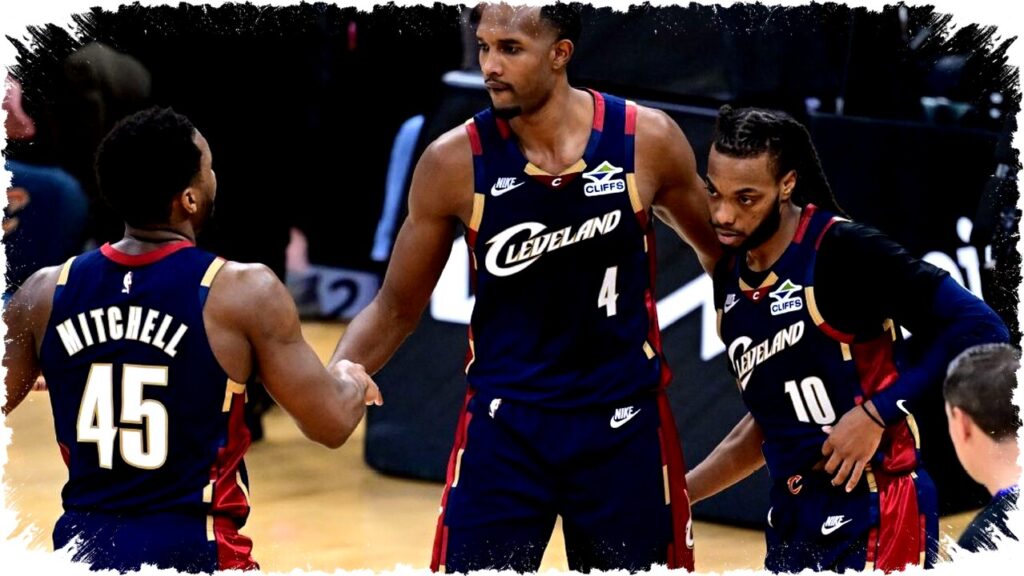
One of the headline moves saw James Harden leave the Los Angeles Clippers to join the Cleveland Cavaliers. Cleveland has been surging recently, posting a 9-2 record since a 22-19 start, and Harden’s arrival aims to elevate their playoff aspirations. The Cavaliers traded away Darius Garland, De’Andre Hunter, and Lonzo Ball—players who ranked lowest in net ratings for the team—to bring in Harden, Keon Ellis, and Dennis Schroder. Harden’s presence should alleviate the offensive load from Donovan Mitchell, who currently operates at his highest usage rate since his Utah days. Although Harden shares some defensive and postseason limitations with Garland, his overall healthier and more productive play provides a clear boost. Additionally, Ellis offers strong backcourt defense, while Schroder’s inconsistent but sometimes high-impact play adds depth. Notably, these changes reportedly saved Cleveland around $100 million in luxury tax payments, a rare instance of upgrading while cutting costs (source: ESPN’s Bobby Marks).
Surprise Star Destinations
Unexpectedly, struggling teams like the Washington Wizards, Utah Jazz, and Indiana Pacers made noteworthy acquisitions despite their poor combined records. The Wizards, who previously acquired Trae Young, added Anthony Davis, creating a promising young duo. Utah secured Jaren Jackson Jr., while Indiana signed Ivica Zubac to fill the void at center due to Myles Turner’s injury. These moves illustrate a shifting league dynamic, where teams with clean salary cap situations are willing to chase borderline All-Stars like Young, Davis, and Jackson. Indiana’s Zubac deal differed by costing significant assets—including restricted free agent Bennedict Mathurin and two first-round picks—but addresses immediate positional needs with a more affordable contract running three years for $58.7 million. Although the Wizards and Jazz may remain playoff longshots next season, these additions introduce intriguing new narratives heading into the offseason.
Utah Jazz: A Potential Offense Tradeoff
The Jazz face challenges integrating Jaren Jackson Jr. due to their style of play and roster composition. Jackson and veteran Lauri Markkanen rank among few players averaging 20+ points per game while posting fewer than three assists, pinpointing potential ball-stopping tendencies. Rookie shooting guard Ace Bailey also contributes minimal assists, which conflicts with coach Will Hardy’s emphasis on ball movement. Utah leads the league in assist percentage, with key contributors like point guards Keyonte George and Isaiah Collier and versatile center Jusuf Nurkic distributing the ball effectively. However, the Jazz appear to be prioritizing size, shooting, and defense at the expense of this unselfish approach. Jackson paired with Walker Kessler promises strong rim protection, but this setup places additional pressure on George to evolve as a franchise point guard. Failure to develop that role risks offensive stagnation despite greater defensive upside.
Memphis Grizzlies’ Strategic Rebuild
On the opposite side of the Jackson trade, the Memphis Grizzlies have embraced a rebuild after flipping two key players in consecutive seasons. Last year, they traded Desmond Bane for multiple first-round picks, including the pick used to draft Cedric Coward. Trading away Jackson similarly netted Memphis three future picks and young talent like Walter Clayton Jr. Although Jackson boasts higher ceiling potential as a two-time All-Star and former Defensive Player of the Year, his recent dips in production and the impending $205 million contract extension raise questions about his long-term fit. Memphis now possesses one of the league’s richest stores of future draft assets, positioning the franchise for sustained rebuilding. However, the team must also decide on star Ja Morant’s future role, as the former Morant-Bane-Jackson core showed limited playoff success.
Dallas Mavericks’ Costly Trade
The Mavericks moved on from Anthony Davis after acquiring him in the previous Luka Doncic blockbuster. Dallas traded Davis to Washington for Khris Middleton, AJ Johnson, Malaki Branham, Marvin Bagley III, a late first-round pick in 2026, a conditional 2030 Warriors first-rounder, and three second-round selections. Essentially, they exchanged a generational talent for mostly future draft picks and one solid rotation player, Max Christie. This haul mirrors value similar to that obtained by Memphis for Jackson and signifies another example of a team accepting the challenge of reconstructing a roster amid cap and performance pressures.
Chicago Bulls and Boston Celtics Swap Centers
Veteran center Nikola Vucevic moved from Chicago to Boston via trade. Vucevic, a two-time All-Star with over 17,000 career points, fits Boston’s perimeter-oriented offensive scheme better than the Celtics’ previous center, Luka Garza. Nonetheless, Vucevic’s defense is noticeably weak, allowing opponents a 68% shooting rate at the rim, which ranks near the bottom among qualified defenders. Boston gains salary cap flexibility with this move and anticipates offensive benefits despite defensive tradeoffs. Vucevic’s ability to elevate his 3-point shooting (39% on 4.5 attempts per game over the past two seasons) bolsters a relatively thin frontcourt, indicative of the Celtics’ prioritization of floor spacing.
"Oops" Trades Highlight Deadline Uncertainties
Several deadline moves appear as attempts to correct prior transaction mistakes or cap challenges. Dallas’s quick turnaround on Davis exemplifies this "oops" trend. Similarly, the Cavaliers moved De’Andre Hunter one year after acquiring him, while the Kings reversed course by trading Dennis Schroder after offering him a multi-year deal. Atlanta and Golden State’s swap ending Kristaps Porzingis’s injury-stricken stint with the Hawks and resolving Jonathan Kuminga’s uncertain relationship with the Warriors also fit this pattern. The frequent reshuffling underlines the volatility of NBA roster management amid evolving team strategies.
Madison Square Garden’s Bright Spot
The New York Knicks acquired Jose Alvarado from the Bulls in a deal involving Guerschon Yabusele and draft picks. Alvarado, a gritty guard raised in New York City, brings energy and defensive tenacity reminiscent of popular former Knicks role players. While the backcourt remains crowded with Tyler Kolek, Landry Shamet, Jordan Clarkson, and potentially sidelined Miles McBride, Alvarado offers valuable depth and fan appeal. This move underscores New York’s focus on cultivating a scrappy, passionate identity on the court.
Playoff Contenders Largely Unsettled
Despite the deadline’s flurry of activity, the top championship hopefuls remain mostly intact. The Denver Nuggets made a minor trade to avoid luxury tax penalties, and contenders like the Spurs, Rockets, and Lakers remained mostly quiet or added role players unlikely to significantly shift their standing. The Minnesota Timberwolves made some depth moves, but their core remains stable. Oklahoma City Thunder improved their future draft odds through trades and stand to gain from the Clippers’ declining performance after shipping out Harden and Zubac. However, injuries to stars like Shai Gilgeous-Alexander threaten their short-term competitiveness. Overall, the deadline realignments maintained existing power balances with subtle shifts affecting middle-tier playoff hopes and rebuilding trajectories.
This deadline week reshaped several rosters through a combination of calculated rebuilds, strategic upgrades, and attempts to rectify previous mistakes. The evolving financial landscape and luxury tax considerations continue influencing how teams approach roster construction. Key signs point to the increasing importance of balancing immediate competitive goals with long-term flexibility and development.