


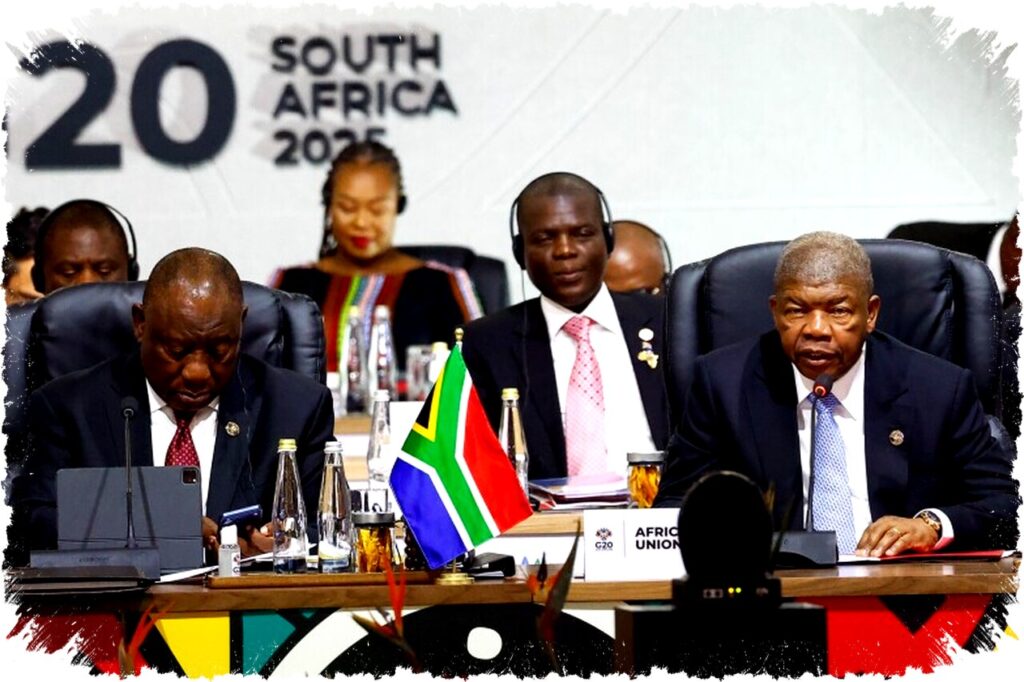
Africa’s youth increasingly perceive the African Union (AU) as a body dominated by aging leaders disconnected from their realities. With over 400 million people aged 15 to 35, Africa’s young population is one of the fastest-growing worldwide, yet many feel marginalized by the continent’s top regional organization.
The AU, established to foster unity among African states, faces growing legitimacy issues among young people who are skeptical about its priorities. Many youths express frustration over what they call “a bloc of old leaders” who overlook the interests and aspirations of future generations.
Youth Marginalization and Governance Challenges
Africa’s youth are contending with widespread economic hardships, political instability, and governance deficits exacerbated by military coups and disputed elections. Several countries have witnessed authoritarian practices where opposition voices are suppressed, often triggering protests led by younger citizens. However, the AU’s responses to such crises often appear muted or biased toward incumbent leaders.
For example, during Uganda’s recent presidential elections, the AU initially commended the electoral process despite internet shutdowns and crackdowns on opposition supporters. This stance provoked backlash among young Africans who criticized the AU’s perceived alignment with entrenched regimes rather than democratic principles.
Senior analyst Liesl Louw-Vaudran from the Crisis Group observed, “What the youth is really asking and why people are frustrated is because this is not an African Union for citizens. It’s not a people-driven African Union.” The organization’s focus remains heavily government-centered at the expense of engaging directly with the continent’s youth and civil societies.
Structural Weaknesses and Accountability Issues
The AU’s challenges extend to enforcement capabilities and member compliance. Many member states do not fully contribute financially or implement collective decisions, weakening the organization’s ability to hold leaders accountable. Macharia Munene, a history professor at the United States International University in Nairobi, underscores the chronic difficulties due to “not all members meeting their dues or fully accepting what is generally decided.”
Citizens from countries like Nigeria feel the AU’s influence is insufficient in addressing urgent domestic crises. Chima Ekwueme, a Nigerian resident, lamented the organization’s inaction amid security breakdowns and economic woes despite the country’s abundant resources. “They are there for their own interests,” he said, reflecting a broader sentiment of disillusionment among the youth.
The Annual AU Summit and Future Outlook
The African Union convened its 39th Summit in Ethiopia’s capital, Addis Ababa, focusing on themes such as water, sanitation, climate change, and humanitarian crises. These issues are especially pressing given recent cuts in foreign aid by global partners, including the United States. The summit represents a strategic moment for African leaders to realign continental priorities in the context of shifting international alliances and discussions about a new world order.
AU Commission Chairperson Mahamoud Ali Youssouf highlighted ongoing regional instabilities, citing the heavy toll on populations in Sudan, the Sahel, eastern Democratic Republic of Congo, and Somalia. He also condemned violence against Palestinians, an issue that drew appreciation from Palestinian leadership, demonstrating Africa’s solidarity in global affairs.
Despite these statements, critics stress the need for the AU to introspect and directly address internal governance shortcomings. There is an urgent call to enhance youth participation and ensure accountability mechanisms are robust enough to meet the continent’s evolving challenges.
Key Points on Africa’s Youth and the AU
- Africa hosts over 400 million young people aged 15 to 35, yet youth interests are often sidelined.
- The AU is perceived as a coalition of older leaders resistant to change, fueling political unrest.
- Electoral processes in several countries have been marred by suppression of opposition and protests.
- The AU’s enforcement of resolutions and member compliance remains weak.
- The annual summit addresses critical issues like water, climate, and humanitarian crises amid foreign aid reductions.
- Critics urge the AU to adopt a citizen-focused, youth-inclusive agenda to regain legitimacy.
The narrative of youth discontent reflects a larger challenge for the African Union: bridging the gap between traditional political leadership and the dynamic demands of Africa’s young population. Addressing this divide will be essential for the continent’s stability and progress in coming decades.
Read more at: apnews.com