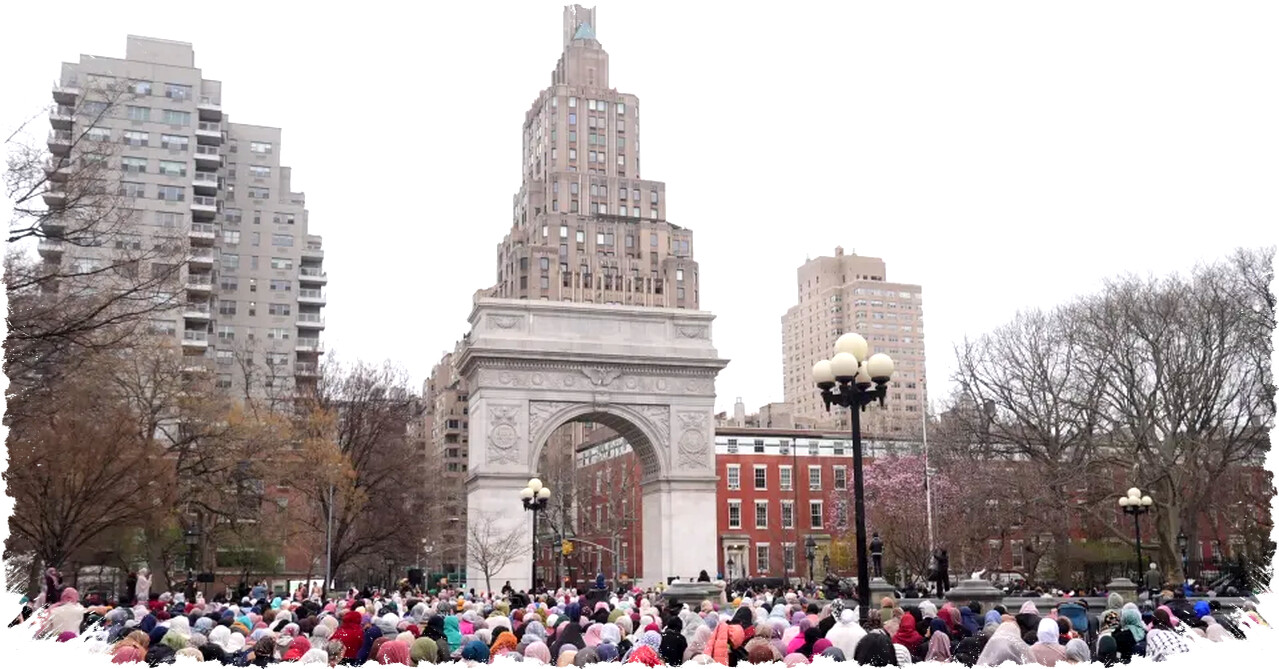
Ramadan fasting times are changing this year primarily due to the interaction between the Islamic lunar calendar and Daylight Saving Time (DST) adjustments in several countries. Ramadan follows the lunar calendar, which is about 10 days shorter than the solar-based Gregorian calendar. As a result, Ramadan shifts about 10 days earlier each year, cycling through different seasons roughly every 33 years.
This year, Ramadan spans late winter into early spring in the Northern Hemisphere—a period generally characterized by moderate fasting hours. However, the onset of Daylight Saving Time in the U.S. and parts of Canada occurs midway through Ramadan. When clocks spring forward, the timing for breaking fast, pre-dawn meals, prayers, and other activities shifts forward by one hour, creating an unusual challenge for observers.
The practical impact is significant. For example, a Muslim in New York City may break their fast around 5:45 p.m. before the time change. After DST starts, sunset—and thus iftar—appears to occur at about 6:55 p.m. on the clock, an hour later despite the fast’s actual length remaining the same. This shift affects evening routines, sleep schedules, and daily planning, disrupting the habitual flow that Muslims establish during Ramadan.


The areas most affected by this mid-Ramadan time adjustment include the continental United States (except Arizona and Hawaii, which do not observe DST) and much of Canada (with some regional exceptions). Parts of Europe that observe summer time do not experience this disruption because their clocks change after Ramadan ends. Similarly, regions without DST, such as many parts of the Middle East, Asia, and Africa, progress through Ramadan without any sudden schedule shifts.
The disruption impacts people differently. According to Imam Abdul-Malik Merchant, many who fast regularly will adapt quickly as the change happens late in the month, when their bodies are already accustomed to fasting. However, for some—especially those managing pregnancy, work, or childcare—the abrupt time change adds an extra layer of difficulty. For instance, a pregnant woman in Cincinnati plans to stay hydrated and conserve energy to keep pace with her toddler and the day’s demands despite the new schedule.
Managing fasts during this period requires careful planning. Some individuals, like nurse and student Lubna Turaani, have adjusted their routines to accommodate the time shift. Turaani preps meals in advance and relies on family support to navigate altered work and study schedules. She has also brought simple foods like dates and soup to work for iftar to handle the later breaking of the fast after her shift ends.
Non-Muslims who live or work alongside fasting Muslims can offer support by being aware of these changes. Understanding that evening gatherings or meal plans may need to be pushed back by an hour can foster empathy and accommodation. Fatigue or disrupted routines experienced in the second half of Ramadan often stem from this clock shift and altered sleep patterns rather than the length of fasting itself.
Imam Merchant likens the time change to facing new challenges during a marathon, seeing it as an opportunity for greater spiritual growth and perseverance. This perspective resonates with many Muslims, who view Ramadan not just as a period of abstinence but as a time for personal discipline, reflection, and renewal of faith.
Overall, American Muslims and others observing Ramadan through affected regions are balancing practical adjustments and spiritual commitments to navigate this exceptional circumstance. They see the change as part of a larger journey that builds resilience and deepens their connection to their faith, embracing the challenge as an extension of Ramadan’s purpose to foster growth beyond comfort.
The unique conditions this year illustrate how religious practice intersects dynamically with temporal and social environments, requiring adaptability and understanding from communities and neighbors alike.
Read more at: time.com