


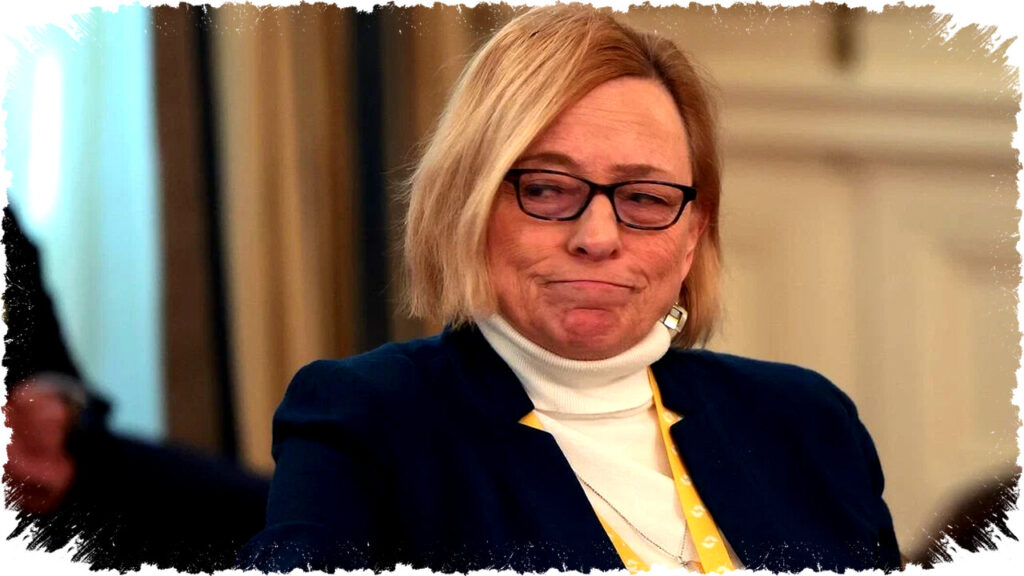
Maine Governor Janet Mills has decided not to attend the upcoming annual governors’ meeting with President Donald Trump. This decision follows multiple Democratic governors choosing to boycott the event.
Initially, President Trump announced he would only invite Republican governors to the gathering. However, the White House later revised this stance, extending invitations to all governors except Maryland’s Wes Moore and Colorado’s Jared Polis.
The National Governors Association (NGA), typically responsible for coordinating the meeting, has withdrawn the event from its official program. This action signals significant concerns about the meeting’s nonpartisan nature.
Governor Mills had initially expressed her intent to participate in the meeting, stating her readiness to represent Maine’s interests. She emphasized a commitment to discussing critical state issues despite earlier tensions with the Trump administration.
Last year, Mills famously confronted President Trump at a similar event, responding to his threat to withhold federal funds over Maine’s policies on transgender athletes in girls’ sports. Such confrontations have added strain to the governor-president relationship.
After reconsideration, Mills aligned with other Democratic governors in boycotting the meeting. She issued a statement criticizing the event as an unproductive, partisan platform for the President.
In her remarks, Mills explained, “The President is not serious about hosting a bipartisan meeting of the nation’s governors or hearing these concerns.” She underscored the growing divide between the White House and Democratic leaders.
The boycott highlights ongoing political fractures between the Trump administration and Democratic state executives. This move may affect future dialogues on federal-state cooperation.
Here is a summary of key developments regarding the governors’ meeting invitation and participation:
1. Trump’s initial plan to invite only Republican governors drew criticism.
2. The White House excluded Governors Moore and Polis despite reversing its invitation policy.
3. The NGA withdrew official support for the White House meeting.
4. Democratic governors, including Mills, chose to boycott in response.
5. Mills cited concerns about the event’s lack of genuine bipartisan intent.
Governor Mills’ withdrawal exemplifies broader Democratic dissatisfaction with the meeting framework. It raises questions about the potential for constructive engagement between the White House and states.
The evolving situation reflects deeper national political tensions and the challenges of fostering cooperative governance across party lines. Future annual governor meetings may require restructuring to restore trust and inclusivity.