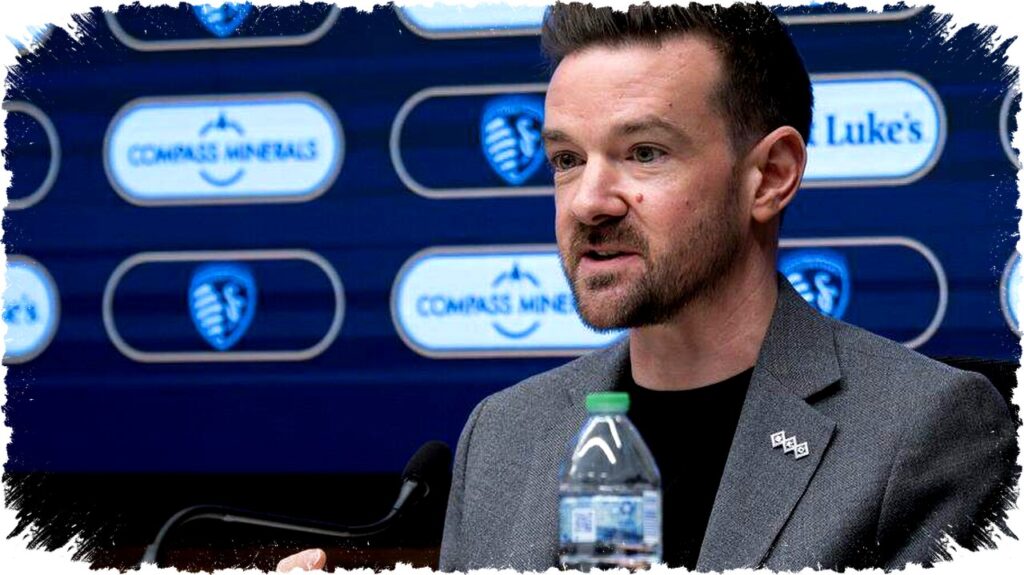
Sporting Kansas City has been actively reshaping its roster ahead of the 2026 Major League Soccer season. The team has signed 11 new players but still aims to add between three and six more before the transfer window closes on March 26. This ongoing rebuild comes after the club parted ways with 13 players at the end of last season, presenting a significant challenge in maintaining squad depth.
The club’s roster currently stands at 22 players, eight short of the MLS limit of 30. Sporting KC’s president of soccer operations and general manager, David Lee, described the transfer window as “challenging” and acknowledged that they had hoped to achieve a more complete roster earlier. Despite the hurdles, Lee expressed confidence in the club’s trajectory and the quality of players they have brought in so far.
Current Roster and Recent Additions
Sporting KC’s recent signings include domestic players primarily in their prime or emerging years, aimed at balancing immediate needs with long-term potential. A notable addition this offseason is Lasse Berg Johnsen, a signing that has been well received by fans. The club’s strategy has avoided expensive or risky acquisitions, with an emphasis on roster flexibility and sustainable development.
The club signed defender Ethan Bartlow most recently, an indication of their intent to strengthen the backline ahead of the season opener against the San Jose Earthquakes. However, the club has yet to finalize international player signings after a near deal with a Peruvian player that fell through unexpectedly.
Financial Strategy and Roster Flexibility
Allocation money remains a critical tool in Sporting KC’s roster management. According to league data, the club holds the 17th highest amount of general allocation money (GAM) in MLS, and they could increase this by up to $1 million through their designated player and U-22 initiative slots. The most effective way to generate further allocation funds is through player transfers, but Sporting KC has not transferred any players since mid-2024, limiting this option.
A recent move saw Daniel Salloi transferred to Toronto FC for $300,000 in up-front allocation money, with potential for an additional $700,000 in incentives. This deal has already triggered $200,000 of those incentives, adding valuable financial flexibility. Lee emphasized prudence, stating that avoiding costly mistakes that may hamper future roster building is a priority.
Future Recruitment Plans
Sporting KC is targeting key positions such as center-back, midfield, and both wing positions for future signings. With five international roster slots still open, it is likely that some of the upcoming additions will come from abroad and may involve higher-salary contracts. Lee reiterated that these acquisitions must be carefully evaluated to benefit the club long-term.
Despite the urgency to bolster the squad before the transfer deadline, Sporting KC is committed to making intelligent decisions rather than hastily filling gaps. The club’s current roster size reflects this strategic patience, as Lee balances immediate competitive needs with sustainable growth.
Organizational Changes and Challenge Within the Club
The offseason has also included coaching changes, with Raphael Wicky appointed as the new head coach. Sporting KC has not expanded their front office or scouting departments significantly, relying on existing personnel like Mike Burns and a limited scouting team. However, Lee indicated that additions to these areas are under consideration to enhance talent identification and recruitment capabilities.
Overall, Sporting Kansas City is undertaking a delicate rebuilding process, navigating a complex transfer market while focusing on long-term competitiveness. The club’s efforts to add quality players while maintaining financial and roster flexibility will be crucial as the MLS season unfolds.
Read more at: www.kansascity.com