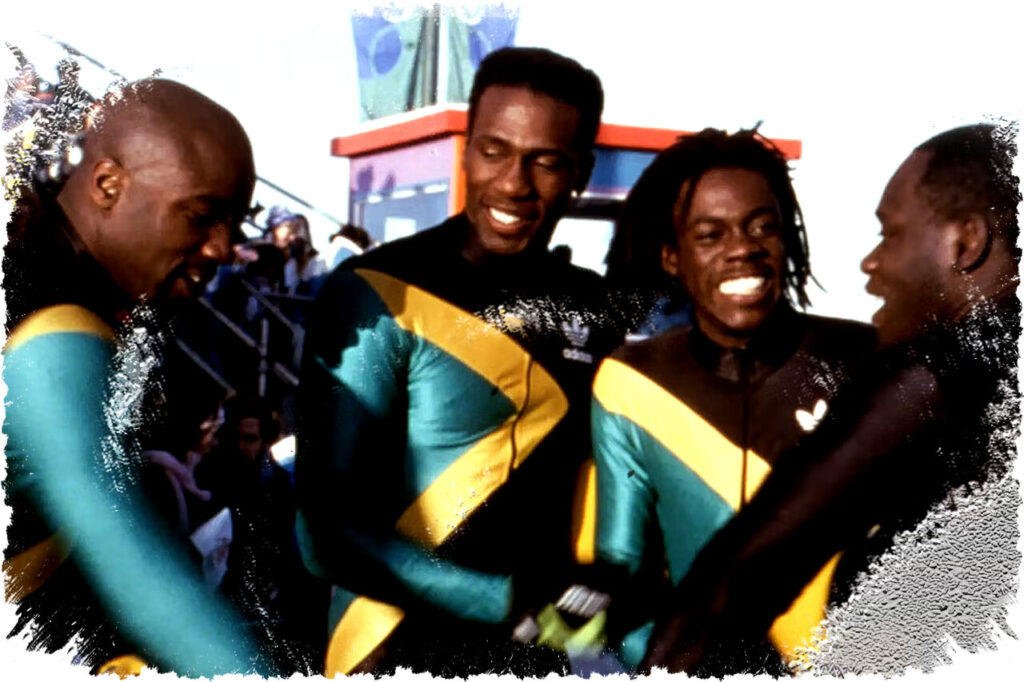
What Do Jamaicans Really Think about the Bobsled Comedy?
The 1993 Disney film Cool Runnings introduced the world to the Jamaican bobsled team’s unlikely debut at the Winter Olympics. For many outside Jamaica, the movie remains a beloved, feel-good comedy filled with quotable lines and slapstick humor. However, native Jamaicans have a more nuanced perspective on the film’s portrayal of their culture and people.
Many Jamaicans who saw Cool Runnings upon its release recall a mix of pride and ambivalence. Alexis Goffe, who watched the film as a child in Kingston, found it funny and appreciated seeing Jamaican faces like actor Charles Hyatt on screen. His classmates enthusiastically quoted lines from the movie, embedding it into local vernacular. Yet, this initial warmth dimmed for Alexis when he encountered American perceptions of Jamaica shaped almost exclusively by the film — a reductive view that became tiresome and frustrating.
Accents in the movie have been widely criticized by those familiar with authentic Jamaican patois. Kimberley Goffe, who experienced cultural stereotyping after moving abroad, described the accents as "abominable." Robert Lumsden called the imitations disrespectful, especially since none of the actors playing the bobsledders were born and raised in Jamaica. The director reportedly instructed the cast to mimic a cartoon crab’s voice, underscoring a caricatured approach rather than aiming for linguistic fidelity.
The film’s impact is twofold. On one hand, it brought a positive spotlight to Jamaica during a time when global stories about the island were often negative. Vivian Barclay, a Jamaican music executive, noted the excitement sparked by the inspirational story. On the other hand, it propagated stereotypes that continue to affect the island’s image, fostering clichés seen in tourism marketing and casual impressions abroad. Barclay pointed to the fetishization of Rastafarian symbols and the narrow portrayal of Jamaican identity in popular culture.
From the perspective of Devon Harris, a real-life founding member of the Jamaican bobsled team, the film glossed over the team’s intense discipline and determination. Harris emphasized that despite the team’s easygoing nature, they approached the sport with serious focus and grit. The movie’s comedic framing, he argues, obscures the true hardships and achievements behind the story—such as the fact that the athletes had never raced a four-man sled until the Olympics and even recruited members at the last minute.
The origins of the team highlight Jamaica’s resourcefulness and adaptability. Harris recounted how Americans noticed Jamaicans racing pushcarts and saw potential for bobsledding, given the island’s abundance of sprinters. The team’s formation was driven by opportunity and ambition, symbolizing the Jamaican spirit to excel in unexpected arenas. Kerry-Ann Reid-Brown, Caribbean-American podcast host, explained this attitude as part of a cultural readiness to embrace challenges once they are identified, even if the initial inspiration comes from outside Jamaica.
Despite its flaws, Cool Runnings remains a cultural touchstone for many Jamaicans and the diaspora. It served as an educational gateway, revealing to many that Jamaica actually competed in the Winter Olympics. The film also immortalized the team’s legacy internationally, elevating their story beyond mere novelty. The current bobsled team’s renewed Olympic efforts continue to attract attention, with references to the movie appearing in social media and advertising campaigns.
At the same time, the movie sparks important conversations about representation, stereotypes, and the complexities of Jamaican identity. Discussions about the Jamaican government’s limited support for sports outside track and field, as well as the reliance on tourism fueled by simplified cultural images, gain new context through the lens of the film’s legacy.
Ultimately, Jamaicans view Cool Runnings through a blend of affection, criticism, and reflection. The comedy’s heartening message coexists with an awareness of its inaccuracies and cultural oversimplifications. As the real Jamaican bobsled team competes on the world stage once again, many hope their achievements will outshine the caricature and amplify a more complete story of resilience and pride.