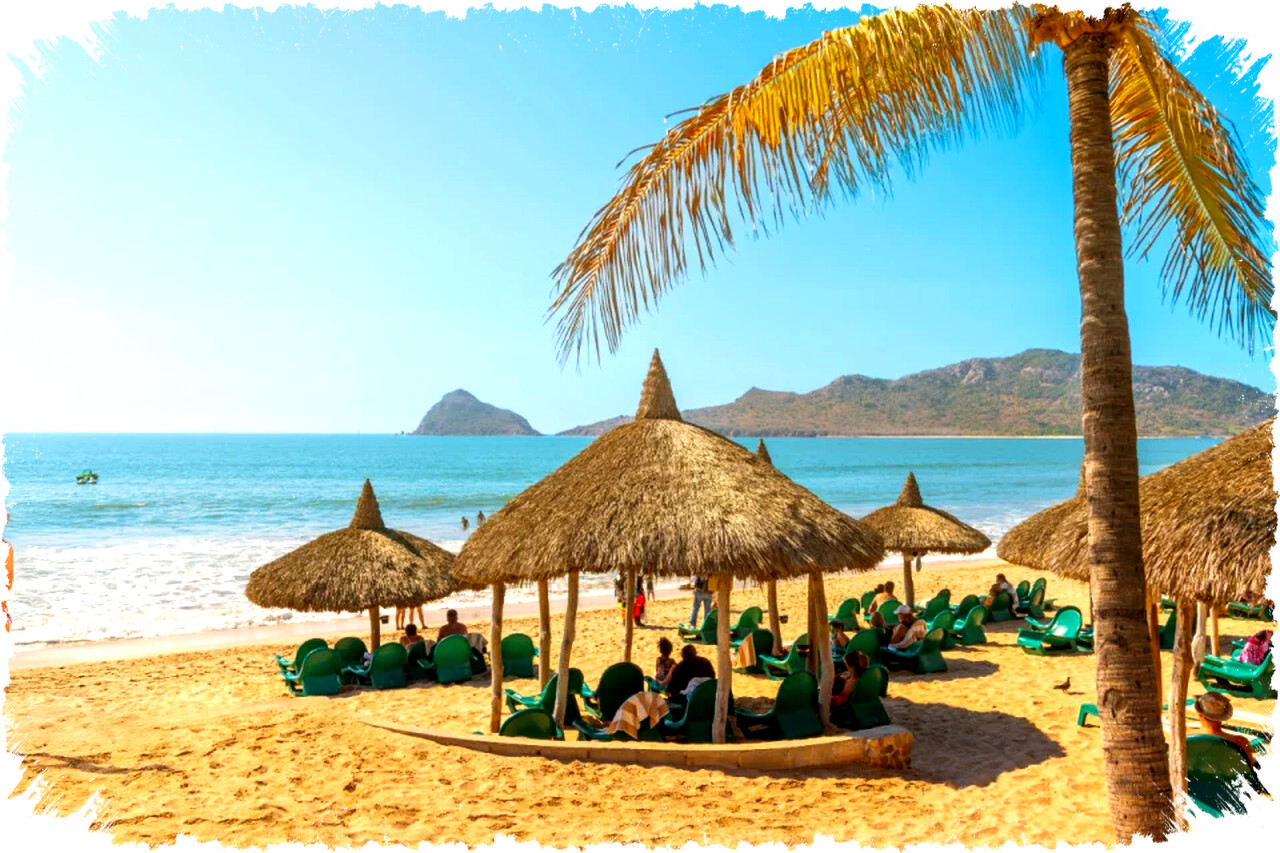
The U.S. State Department has issued a strict travel advisory for four prominent Mexican beach destinations, urging Americans to avoid travel to these areas in 2026. These locations include Mazatlán in Sinaloa, Acapulco and Ixtapa-Zihuatanejo in Guerrero, and Manzanillo in Colima. The advisory designates these states with a Level 4 "Do Not Travel" warning, the highest severity indicator, typically reserved for active conflict zones worldwide.
Mazatlán, Sinaloa: The Pearl of the Pacific
Sinaloa as a whole carries a heightened security risk, but Mazatlán’s tourist zones are somewhat of an exception. The State Department permits U.S. government employees to visit Mazatlán, provided they strictly limit themselves to the Zona Dorada (Golden Zone) and the historic downtown area. Travelers are advised to fly directly into Mazatlán airport due to the dangers presented by inland highways. Staying within the established tourist areas and avoiding rural suburbs is crucial for minimizing risk.


Acapulco, Guerrero: The Fallen Star
Once a glamorous hotspot for international celebrities, Acapulco has become emblematic of Guerrero’s security challenges. The entire state of Guerrero, including the famed Acapulco resort zones, is subject to a complete Level 4 travel ban with no exceptions for U.S. government employees. Visitors who choose to go must stay within the guarded Acapulco Diamante area and strictly avoid nighttime excursions. Transportation should be pre-arranged and verified to reduce exposure.
Ixtapa-Zihuatanejo, Guerrero: The Dual Destination
The twin destinations of modern Ixtapa and the quiet, fishing village Zihuatanejo are also included in the Level 4 advisory due to their location within Guerrero. While violence exists mainly inland and around Acapulco, direct flights to Ixtapa-Zihuatanejo Airport (ZIH) are recommended for visitors. Travelers must avoid driving on regional highways, which are prone to roadblocks and criminal activity, and instead use official taxis to reach accommodations. Zihuatanejo, located hours from the violence, maintains a reputation for safety but remains under the travel alert.
Manzanillo, Colima: The Sailfish Capital
Colima is one of Mexico’s smallest states yet consistently ranks high for violence due to its strategic location. Manzanillo, the busiest commercial cargo port on Mexico’s Pacific coast, sees conflicts among criminal groups vying for control of smuggling routes. Despite this, tourists are generally insulated from these activities if they remain in resort zones. The State Department grants an exception allowing U.S. government employees to travel strictly within the central tourist and port areas. It is advised to stay in resort areas like Peninsula de Santiago and limit exploration to daylight hours.
Navigating Safety Concerns and Travel Decisions
These advisories reflect broad regional security concerns, often driven by criminal activity away from main tourist hubs. The U.S. State Department’s firm stance is to protect travelers by discouraging visits to these entire states. However, localized exceptions suggest some beach destinations may still offer safer environments if strict precautions and travel boundaries are observed. Experts recommend avoiding inland travel, especially via road, and limiting stays to secured resort areas.
Travelers considering these destinations should weigh the risks carefully and stay updated on official guidance. Utilizing local knowledge, booking direct flights, and remaining vigilant can reduce exposure to potential dangers. Regardless, the Level 4 designation underscores that these four beach destinations in Mexico present significant safety challenges according to U.S. government assessments for 2026.
Read more at: www.traveloffpath.com